Exploring the Oz Hydrofoil: Design and Performance
Intro
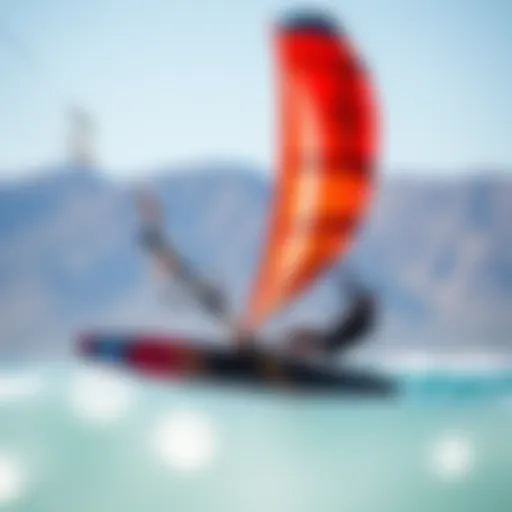
Kiteboarding has taken a significant leap with the introduction of hydrofoiling. It's where the board rises above the water, offering an exhilarating experience that few can match. Central to this advancement is the Oz Hydrofoil. This hydrofoil is not just another piece of equipment; it's a game-changer for both newbies and seasoned kiteboarders. Dive into the intricacies of its design, performance metrics, and operational nuances, and you’ll discover why it’s capturing the attention of watersport enthusiasts worldwide.
Gear Selection
Selecting the right gear is pivotal to enjoying the full benefits of hydrofoiling. Many kiteboarders often rush through this stage, but the gear makes a world of difference. Here's a closer look at what you should consider:
Types of Kites
When hunting for the perfect kite, two major aspects come into play: size and style. Depending on your weight and the conditions, here’s a snapshot of common kite types:
- C-Kites: Known for their power and precision, C-kites suit more advanced riders who like to jump and perform tricks.
- Bow Kites: Their design allows for a larger wind range, making them excellent for all rider levels, especially beginners.
- Hybrid Kites: These blend characteristics from both C-kites and bow kites, giving versatility to riders who want a bit of everything.
Choosing the right size is equally crucial. Generally, the lighter the wind, the larger your kite should be. In contrast, a smaller kite will perform better in windy conditions.
Choosing the Right Board
Selecting a board adapted for hydrofoiling is essential. The board should complement the hydrofoil itself. Here’s what to think about:
- Board Size: Larger boards provide stability, useful for those just starting. Advanced riders might prefer smaller boards for agility.
- Board Shape: The rocker and outline will influence your riding style. A flatter board can provide better speed, while one with more rocker helps with turning and lifts.
- Foil Compatibility: Not all boards fit every foil. Ensure that the board you pick can handle the particular hydrofoil you intend to use.
It's a lot like picking the right combination of coffee and dessert; one might taste exquisite alone, but together, they create an unforgettable experience.
Skill Development
Even with the perfect gear in hand, the mastery of hydrofoiling necessitates practice and skill honing. Let's break down some essential aspects of this development:
Essential Techniques
Hydrofoiling is not as straightforward as it may seem. Here are crucial techniques to grasp:
- Take-Off: Learn to shift your weight properly to create lift while minimizing drag. A balance of finesse and power is key.
- Edge Control: Mastering the edge greatly affects your maneuverability. Practice carving through the water before you add foil complexity.
- Body Position: Maintain an upright and slightly forward position to keep balance as the foil lifts from the water.
Progression Tips
Getting comfortable with hydrofoiling won’t happen overnight. Here are a few tips to accelerate your learning journey:
- Start in Low Winds: Begin with lighter winds to build confidence and technique.
- Practice Regularly: Like learning a musical instrument, frequent practice is essential. Set achievable goals for each session.
- Seek Guidance: Don’t hesitate to tap into resources like instructional videos on YouTube or forums such as Reddit.
"Hydrofoiling opens new doors to kiteboarding—like venturing into unexplored waters while riding a wave of adrenaline."
Understanding the dynamics of the Oz Hydrofoil unlocks potential that every kiteboarder dreams of. With the right gear and skills, the experience can be exhilarating.
Understanding Hydrofoiling
Hydrofoiling, at its core, is a technology designed to lift a vessel above the water surface, significantly reducing drag and enhancing speed. In the realm of kiteboarding, this innovation isn't just a footnote; it’s a game-changer. The dynamics of hydrofoiling bring a new layer of excitement and capability to kiteboarding, allowing riders to glide effortlessly above the waves.
Historical Context of Hydrofoils
The journey of hydrofoils is as fascinating as the technology itself. The concept traces back to the early 1900s when Italian engineer Enrico Forlanini first experimented with a hydrofoil boat. Fast forward to the 1960s, and hydrofoils saw a revival, especially with advancements in materials like aluminum and carbon fiber. This allowed for lighter, stronger designs, reshaping the way watercraft interacted with the ocean.
In kiteboarding, hydrofoils have gained traction rapidly since the early 2000s. Initially, hydrofoil boards were clunky and unwieldy, leading to skepticism about their practicality. However, as materials improved and design philosophies evolved, riders began to unlock the true potential of hydrofoiling. The thrill of soaring above the water with just a gust of wind beneath you became a reality, opening doors to new riding horizons.
"Hydrofoiling is not just about speed; it's about experiencing the water like never before."
The transition into modern kiteboarding integrated hydrofoils seamlessly, granting riders not only speed but also enhanced maneuverability. Riders can traverse choppy waters effortlessly; conditions once considered unrideable now transform into playgrounds for enthusiasts. This shift exemplifies how innovations from past decades have evolved, directly impacting the kiteboarding scene today.
Mechanics of Hydrofoil Technology
Understanding how hydrofoil technology operates is essential for anyone looking to delve into this exciting aspect of kiteboarding. A hydrofoil consists of a wing-like structure submerged under the water. As the kiteboarder gains speed, the lift generated by the wing lifts the board upwards, allowing it to skim above the surface.
Here are some key elements regarding the mechanics of hydrofoils:
- Lift Generation: The angle and shape of the hydrofoil's wings determine how effectively it generates lift as it moves through the water. Optimal angles can vary based on the rider's speed and weight.
- Drag Reduction: One of the most beneficial elements of hydrofoils is their ability to reduce water friction. When the board is lifted from the water’s surface, resistance diminishes, enabling faster rides with less effort.
- Design Variations: Hydrofoils come in many shapes and sizes, meant to cater to different styles of riding and conditions. Some are better suited for speed, while others prioritize stability and maneuverability.
In essence, mastering the mechanics of hydrofoiling involves not just understanding the technology but also aligning it with the rider’s skill set and environment. The interplay between the rider's technique, equipment design, and environmental factors creates a unique experience that can vary greatly from one session to another. This complex dynamic is what makes hydrofoiling such a captivating aspect of kiteboarding.
As we dive deeper into the specifics of the Oz Hydrofoil, this foundational understanding will serve as the cornerstone for appreciating its design, capabilities, and the overall thrill it brings to the kiteboarding community.
Specifications of the Oz Hydrofoil
The specifications of the Oz Hydrofoil hold significant importance for anyone involved in kiteboarding. Understanding these elements is crucial because they influence not just the hydrofoil's performance but also the overall experience of the rider. The balance of design, materials, and dimensions directly impacts speed, stability, and handling, which are paramount for both beginners and seasoned riders. Let's break it down further to see how each of these specifications contributes to the efficacy of the Oz Hydrofoil.
Material Composition and Design
When it comes to the material composition and design of the Oz Hydrofoil, a harmonious blend of lightweight and durable materials offers a solid foundation for performance. Most notably, the foil's body is often constructed from high-grade carbon fiber. This material is renowned for its high strength-to-weight ratio, making it an excellent choice for minimizing drag while maximizing rigidity. Whether you’re slicing through waves or gliding over flat waters, this material helps minimize fatigue, allowing riders to sustain their performance for longer periods.
Another crucial aspect of its design is the wing shape. The hydrofoil's wings are carefully crafted to provide optimal lift. This lift allows the foil to rise above water at slower speeds, improving drag performance and encouraging a smooth ride. The surfaces might also have specific contours to facilitate turbulence reduction, further improving the efficiency of the hydrofoil.
Ultimately, the thoughtful integration of materials and design principles creates a hydrofoil that responds gracefully to rider commands, giving users the ability to feel in tune with their environment. The attention to detail in the construction of the Oz Hydrofoil is evident, making it a worthy investment for serious kiteboarders.
Dimensions and Specs Overview
Knowing the dimensions and specifications of the Oz Hydrofoil is essential for making an informed choice that aligns with a rider’s style and skill level. Generally, the length of the hydrofoil plays a critical role in maneuverability. A shorter hydrofoil can be great for quick turns and agile navigation, while a longer aluminum foil provides better stability during straight rides. The typical size range for the Oz Hydrofoil spans around 60 to 80 centimeters in wingspan, catering to various riding conditions.
Other noteworthy specifications include:
- Aspect Ratio: Refers to the ratio between the wingspan and average wing width. A higher aspect ratio indicates a more elongated wing, offering better lift but potentially less maneuverability.
- Weight: An important consideration, as a lighter foil minimizes fatigue. Most Oz Hydrofoils weigh between 3 to 6 kilograms, striking a balance between durability and ease of handling.
- Thickness: Thicker wings can provide extra floatation and stability, while thinner wings may cut through the water with less resistance.
As such, understanding these dimensions aids riders in choosing a hydrofoil that suits their preferences, skill level, and intended riding conditions. Whether it’s for shredding waves or gliding on calm waters, the dimensions of the Oz Hydrofoil reflect a commitment to versatility and performance in diverse settings.
Performance Aspects
Performance in hydrofoiling is akin to the engine under the hood of a car; it dictates not just the speed but also the overall experience one can expect when riding. In the world of kiteboarding, where innovation meets adrenaline, understanding the performance aspects of the Oz Hydrofoil becomes essential. These attributes not only showcase what the hydrofoil can achieve but also highlight its influence on rider experience and safety.
Speed Capabilities
Speed is often what draws kiteboarders to hydrofoiling. When the Oz Hydrofoil lifts out of the water, it transforms the dynamics of movement from drag to barely a whisper of resistance. Riders can experience exhilarating speeds, thanks to its streamlined design and lightweight materials.
One critical factor in achieving these speeds is the aspect ratio of the wing. The Oz Hydrofoil boasts a higher aspect ratio than many traditional foil designs. This feature allows for improved lift and reduced drag, which translates to faster rides. Riders report reaching speeds exceeding 20 knots on flat waters—an achievement that can be very thrilling.
In a comparative sense, maneuvers with the Oz Hydrofoil can feel almost effortless. Riders can push the limits further than conventional boards allow due to the efficiency in speed gain. However, it’s important to remember that speed does not come without its responsibilities. Newcomers should ease into high-speed scenarios, as the thrill can quickly turn into a challenge if not approached with care.
"Speed is a byproduct of design and rider confidence; understand both to truly master the foil."
Stability and Maneuverability
Stability and maneuverability are two sides of the same coin in hydrofoiling. The Oz Hydrofoil excels in both areas due to a well-considered design that enhances its performance on the water. Stability, especially at increased speeds, is vital for maintaining control and ensuring safety.
This hydrofoil features a unique shape and distribution of lift that helps to absorb waves, providing a smooth riding experience even in choppy conditions. This design aids in maintaining a level equilibrium, which is crucial when accelerating or decelerating. Riders who have spent time tinkering with the foil have noticed that a balanced stance enhances this stability, making it easier to navigate wakes and other water disturbances.
On the flip side, maneuverability plays a significant role in how the Oz Hydrofoil behaves during turns and sharp movements. The foil's design allows for quick pivots and turns without excessive strain. Riders can switch direction swiftly without the fear of losing control, which is a common concern among those new to hydrofoiling. An adept rider can perform intricate maneuvers like carving and dipping, showcasing their skills while ensuring that they maintain a level of safety.
Operational Techniques
Understanding the operational techniques of the Oz Hydrofoil is a cornerstone for anyone eager to excel in kiteboarding. Mastering these techniques not only enhances safety but also elevates the overall riding experience. From mounting the hydrofoil to refining riding positions, each aspect contributes to a more seamless and enjoyable time on the water. It lays the groundwork for advanced maneuvers and ensures that both novices and seasoned riders can harness the full potential of their gear without compromising on safety or performance.
Mounting the Hydrofoil
Mounting the hydrofoil correctly is crucial before you even think about hitting the water. The positioning of the hydrofoil under the board greatly influences the overall riding experience. A poorly mounted hydrofoil can mess with your center of gravity and create instability, which is not what you want when you're trying to glide smoothly over the surface.
Steps for Successful Mounting:
- Determine the Correct Position: Start by finding the right balance point for your riding style. Generally, the front foot should be around a third of the way back from the nose of the board.
- Secure with Proper Hardware: Attach the hydrofoil using the screws provided, ensuring they are snug but not over-tightened. This will help maintain the integrity of both the board and the foil.
- Double Check Alignment: Stand the board upright and look down the centerline to verify that the hydrofoil is perpendicular to the board's bottom. A misaligned foil can hinder performance.
Optimal Riding Positions
The position you assume while riding the Oz Hydrofoil plays an integral role in your overall performance. It can mean the difference between a graceful flight and an awkward splash. Proper posture allows you to maximize the lift generated by the hydrofoil and provides better control over speed and direction.
Key Riding Positions:
- Neutral Position: Keep your knees slightly bent and your body centered over the board. This position allows for efficient weight distribution.
- Forward Lean: When accelerating, shift your weight slightly forward. This helps the hydrofoil to break free from the water’s surface more efficiently.
- Backward Shift: For sharper turns or to maintain control in choppy water, lean back a bit to keep the foil stable.
Mastering Tacks and Jibes
Tacks and jibes are fundamental maneuvers that every kiteboarder should have in their arsenal, especially when riding with a hydrofoil. These moves not only help with direction changes but also maintain speed and control during riding. Mastery of these techniques can lead to fluid transitions, making you appear effortless on the water.
Tips for Effective Tacking and Jibing:
- Smooth Transitions: Initiate turns gently; abrupt movements can unbalance the hydrofoil, resulting in a unwanted fall.
- Head Down: Keep your head low and your eyes focused on where you want to go. This will help keep your body aligned and reduce the chance of sudden shifts.
- Use the Kite Effectively: Manipulate the kite's position as you turn. Pulling on the back lines can enhance lift, while pushing forward allows for smoother transitions.
"The key to enjoying hydrofoiling lies in mastering the basics - the more you practice, the better you'll feel on your board."


Incorporating these operational techniques not only broadens a rider's skillset but cultivates a deeper appreciation for the art of hydrofoiling. It’s the finer points of control, posture, and transitions that can elevate an ordinary day on the water into an extraordinary experience.
Environmental Considerations
Understanding the environmental nuances surrounding the use of hydrofoils, particularly the Oz Hydrofoil, is paramount for both enthusiasts and professionals. As the popularity of kiteboarding soars, the quest for balance between thrilling water sports and preserving marine ecosystems becomes more critical. The implications of hydrofoiling on the environment have sparked considerable discussion, highlighting both the advantages it offers and the challenges it poses. Educating riders on these elements is not only beneficial but essential to safeguard our oceans for future generations.
Impact of Hydrofoiling on Marine Life
Hydrofoiling, by design, minimizes the surface area of the craft interacting with the water. This not only allows for increased speed but also reduces the chance of disturbing aquatic life. However, it is important to acknowledge that despite this advantage, hydrofoiling can still have effects on marine ecosystems.
To illustrate:
- Noise Pollution: The sound generated by a hydrofoil may disrupt fish and marine mammals, particularly species reliant on echolocation.
- Habitat Disruption: Navigating too close to reefs, seagrass beds, or nesting grounds can wreak havoc on delicate ecosystems, leading to erosion and habitat loss.
- Wildlife Encounters: While many riders keep a respectful distance from wildlife, there are instances where hydrofoils can startle animals, leading to unintended consequences.
"All riders should remain mindful of their environment, understanding that our presence should not be at the expense of marine life."
The conversation around the impact of hydrofoiling on marine ecosystems isn’t black and white. It calls for ongoing research and the development of best practices to ensure that water sports coexist harmoniously with nature.
Sustainable Practices for Riders
Adopting sustainable practices is pivotal for the longevity of hydrofoiling and the health of our oceans. Riders have a unique role in advocating for and implementing strategies that reduce their footprint while enjoying the sport they love. Here are some actionable practices:
- Educate Yourself: Understanding the local marine environment, including species at risk and protected areas, empowers riders to make informed decisions.
- Follow Guidelines: Always adhere to local regulations regarding marine life protection and designated riding zones. For example, many areas have established zones to minimize disruptions to wildlife.
- Leave No Trace: After a day on the water, ensure that all trash and equipment are taken back home. This protects wildlife from ingestion of harmful materials and keeps the beach clean.
- Use Eco-Friendly Materials: When purchasing gear, consider brands that prioritize sustainability through eco-friendly materials and ethical manufacturing processes.
- Participate in Clean-ups: Join local initiatives focused on cleaning beaches and waterways. This fosters a sense of community among riders while contributing to a healthier ocean environment.
By integrating these sustainable practices into routine riding, individuals can help preserve the natural beauty of the waters they cherish. Ultimately, the goal is to enjoy the exhilarating experience of hydrofoiling while ensuring that our impact on the environment remains minimal.
Safety Protocols
Safety protocols are the backbone of enjoying the excitement that hydrofoiling brings. Kiteboarding, while thrilling, can also present risks, especially when navigating the water with a hydrofoil. Comprehending and adhering to these protocols not only protects riders but also ensures a safer environment for everyone involved. Investing time in safety considerations can mean the difference between a smooth day on the water and a mishap that could end in injury.
When engaging with a hydrofoil, it’s paramount to understand the inherent risks linked to high speeds, maneuverability, and proximity to other watercraft. Hydrofoils can reach astonishing speeds, making control vital. Even seasoned riders must remain vigilant to avoid collisions, especially in busy areas. Therefore, education on safety gear and situational awareness is indispensable for any rider, novice or expert.
Essential Safety Gear
When engaging in hydrofoiling, the right safety gear can provide an extra layer of protection. Here’s a breakdown of the equipment every kiteboarder should consider:
- Helmet: Protects your head in case of accidental falls or collisions. A standard water sports helmet can significantly reduce the risk of serious injury.
- Impact Vest: This gear not only offers buoyancy but also safeguards your torso. It cushions falls and provides additional warmth in cooler waters.
- Wetsuit: For warmth and protection from the elements and abrasions, especially in colder conditions. A wetsuit can also provide a bit of buoyancy, helping keep you afloat if needed.
- PADDED BOARD SHORTS: These can protect from sharp edges and impact that arises during high-speed maneuvers or falls.
- Leash: Always attach your board to your body. This prevents losing your board in choppy waters, where it could potentially strike another rider.
- Flotation Device: Though not all locations require buoyancy aids, having a personal flotation device (PFD) on hand is wise, especially in open waters or less predictable conditions.
Navigating High-Risk Areas
Navigating high-risk areas can be a daunting task for even the most skilled riders. Understanding where potential dangers lie is crucial for preserving safety. Some key considerations when operating in these zones include:
- Crowded Spots: Busy beaches and areas with lots of swimmers or other watercraft require heightened awareness. Stick to designated kiteboarding zones when available and minimize your speed in congested areas.
- Wind Conditions: Always assess wind speed and direction. High winds can impact control significantly. Knowing your limits and the hydrofoil’s capabilities can enhance your riding experience.
- Shallow Waters: Be cautious when riding in shallow areas. Hidden hazards like rocks or sandbars can surprise you mid-ride. Keeping a safe distance from shorelines or shallow spots can prevent accidents.
- Water Traffic: Be on the lookout for boats, jet skis, or other watercraft. Understanding the navigation rules on the waterways you’re riding in can avoid dangerous encounters.
"Preparation, awareness, and precaution should always accompany adventure, especially on the water."
Maintenance Guidelines
Maintenance of the Oz Hydrofoil is not just a chore; it’s an essential practice that can greatly affect performance and longevity. Proper maintenance ensures not only your safety while riding but also provides a smoother experience on the water. A well-maintained hydrofoil performs efficiently, which directly impacts your riding enjoyment. Riders must understand that consistent upkeep can prevent minor issues from escalating into costly repairs. It’s a form of insurance for your investment.
Routine Inspections
Routine inspections are the cornerstone of effective hydrofoil maintenance. At minimum, each time you take your Oz Hydrofoil out for a ride, you should conduct a visual check. Here are some key areas to focus on during your inspection:
- Foil Structure: Examine the wings and fuselage for cracks or signs of wear. Small dents can lead to greater issues over time if not addressed right away.
- Hardware: Ensure that all screws, bolts, and connections are tight. Loose hardware can compromise stability and safety.
- Foil Surface: Look for marks or abrasions on the surface, as these can affect hydrodynamics. Clean off any sand or salt residue that might cling during your adventures.
To streamline this process, consider creating an inspection checklist. This can help ensure you don’t miss any important details:
- Check all moving parts for smooth operation.
- Look for rust or corrosion, especially on metal components.
- Verify that straps and harnesses are in good shape.
"Preventative maintenance is like going to the doctor for a check-up; it might not seem necessary until a problem shows itself."
By integrating these inspections systematically into your routine, you’re setting yourself up for more enjoyable rides and less downtime.
Repair Tips and Best Practices
Even with the best inspections, repairs may be needed from time to time. A few practical tips for smart repairs include:
- Identify the Issue: Don't jump into a fix until you know exactly what’s wrong. Take your time to diagnose problems accurately.
- Use Recommended Tools: Stick to tools that are suited for hydrofoil repairs. Using the wrong tools can damage parts further.
- Seek Professional Help When Necessary: There are times when a DIY fix just won’t cut it. If you’re uncertain, don’t hesitate to consult a pro who has experience with hydrofoils.
Best Practices:
- Always have a repair kit handy, stocked with essentials like spare screws, adhesive, and repair tape.
- Make a habit of resealing any exposed screws or bolts after repairs to deter corrosion.
- Regularly update your skills; consider workshops or instructional videos on hydrofoil maintenance for the latest techniques.
In the end, treating your Oz Hydrofoil with care not only prolongs its life but also enhances your overall experience on the water. Engaging in routine maintenance and being proactive about repairs will turn your time spent kiteboarding into a seamless adventure.
Innovation in Hydrofoiling
Innovation in hydrofoiling is not just a trend; it's a necessity for those serious about kiteboarding. The evolution of this technology has shifted paradigms in how enthusiast and professionals engage with the water. Each leap forward brings not only enhanced performance but also opens doors to fresh experiences for riders.
One of the most significant contributions of innovation is the increased efficiency of hydrofoils. Unlike traditional boards, modern hydrofoils reduce drag significantly, allowing riders to glide smoothly over water. This advancement means that even light winds can propel users faster, widening the applicable conditions for kiteboarding. Additionally, riders experience reduced fatigue due to less resistance, making longer sessions on the water more feasible.
Key Innovations to Consider:
- Foil Shape and Design: Recent designs incorporate features such as adjustable wings and modular components. This flexibility allows riders to choose configurations that best suit their environment and riding style.
- Material Improvements: Innovations in materials, such as high-grade carbon fiber, offer lightweight yet strong options. This durability results in foils that withstand wear and tear better than previous generations.
- Hydrodynamic Profiles: The introduction of sophisticated computational models facilitates the design of more hydrodynamically efficient foils. These profiles enhance lift while maintaining stability at high speeds.
Despite the positive strides, it’s essential to also consider some aspects of implementing new technology. For instance, the learning curve for emerging designs can be steep, especially for novice riders. It's crucial not just to focus on innovation, but also to pay attention to rider education and support systems. This takes us to the next subsections that offer insight into what the future holds for hydrofoiling.
Emerging Technologies and Designs
As we look at emerging technologies in hydrofoiling, several aspects stand out, creating excitement within the kiteboarding community. For starters, foils with adaptive configurations are on the horizon, which allows riders to adjust shapes in real time based on changing conditions. This adaptability means that riders can customize their experience—think of it as a tailored suit for your board.
Another promising area is smart technology integration. Imagine using your smartphone to access real-time data on speeds, wind conditions, or even wear on equipment. This trend leans toward an increase in user-friendly interfaces that engage riders beyond just the physical act.
Furthermore, the intersection of sustainability and technology is gaining traction. Biodegradable materials and practices are becoming more prominent, aimed at reducing the environmental footprint of kiteboarding equipment. As enthusiasts, adopting more eco-conscious practices isn’t just a nice-to-have—it's a responsibility and a reflection of a community that cares about preserving the waters they ride.
- Adaptive Foil Designs
- Smart Technology for Performance Tracking
- Sustainable Material Innovations
Future Trends in Hydrofoiling
Looking ahead, the trends emerging in hydrofoiling seem promising and transformative. A notable trend is the integration of augmented reality (AR) in training. Imagine being able to visualize your technique improvements or receive real-time feedback while on the water. This could lead to faster learning curves for newbies and refined skills for seasoned riders.
Additionally, the future is likely to see enhanced community engagement through online platforms where users can share tips, tricks, and experiences. These shared experiences can create a more tight-knit community, even if members are miles apart. Expect growing forums or social media groups dedicated to the finer points of hydrofoiling.
Lastly, as a clear nod towards safety, enhanced safety features in design are anticipated. Expect innovations that not only provide maximum performance but also remember that peace of mind is key. Improved constructions aimed at reducing the risk of injury during high-paced maneuvers will elevate the sport's appeal.
In summary, innovation in hydrofoiling encapsulates a blend of technology, environmental consciousness, and community engagement. It's about ensuring that the sport thrives not just for today, but for generations to come.
Case Studies
Importance of Case Studies in the Context of Hydrofoiling
Case studies serve as valuable insights into the real-world application and performance of the Oz Hydrofoil. They highlight practical experiences and data that can help both enthusiasts and professionals understand the strengths and potential weaknesses of this technology. Drawing upon actual user experiences adds layers of credibility, context, and relevance to theoretical knowledge. When kiteboarders see firsthand the adventures and challenges faced by others, it can enhance their decision-making process.
Moreover, these case studies can illuminate trends in the kiteboarding community, elucidating how different variables, such as wind conditions and rider skill levels, impact hydrofoiling experiences. This enables potential users to configure their setups thoughtfully, tailoring them to align with their individual aspirations and capabilities.
Comparative Analysis with Other Hydrofoils
A comparative analysis sheds light on the unique offerings of the Oz Hydrofoil relative to its competitors. By examining various hydrofoils from brands such as Slingshot and Liquid Force, we can gather information that aids in understanding what sets Oz apart.
- Design and Material: The materials utilized in the construction can influence weight, stiffness, and durability. The Oz Hydrofoil, crafted from high-grade carbon fiber, often weighs considerably less than traditional aluminum hydrofoils, offering nimble performance.
- Performance Specifications: When looking at specs like lift-off speed, hydrofoil area, and aspect ratio, it's imperative to know how the Oz model stacks up. Generally, riders report quicker responsiveness and smoother gliding with Oz compared to certain bulky alternatives.
- User Experience Profiles: Gathering stories from riders who have tested multiple hydrofoils reveals insights into how the Oz model delivers under various conditions. This is crucial for making well-rounded decisions.
A practical approach can be comparing features through side-by-side tables or visual charts for clarity. Engaging with communities on forums such as reddit.com could yield anecdotal insights that refine this analysis, leading to better buying choices.
User Testimonials and Experiences
User testimonials form a bridge between theoretical knowledge and practical application. They provide raw, unfiltered opinions that can both encourage and caution potential buyers. Kiteboarders often share their experiences online, creating a treasure trove of information and feedback for those keen to understand how the Oz Hydrofoil actually performs in the field.
- Personal Experiences: Many riders emphasize the ease of setup and the smooth take-off provided by the Oz Hydrofoil compared to others in the market. Responses often highlight the thrill when catching waves effortlessly, noting phrases such as "it feels like flying" or "the lift is phenomenal."
- Challenges Faced: Conversely, there are also voices who discuss initial learning curves associated with hydrofoiling. Some complain about porpoising when they first start—a common hurdle that can be significantly mitigated through practice and proper riding techniques.
For deeper dives into user experiences, platforms such as facebook.com offer community groups dedicated to kiting, where members actively share tips, feedback, and personal stories. Collectively, these testimonies contribute to a nuanced understanding of the Oz Hydrofoil’s real-world application, establishing a more comprehensive perception that can inspire informed choices among aspiring hydrofoilers.
Culmination
In wrapping up the exploration of the Oz Hydrofoil, it’s critical to spotlight not just the findings but the essence of hydrofoiling itself in the kiteboarding realm. The article has traversed through various dimensions—from understanding the historical context and the mechanics of hydrofoil technology to delving deep into performance aspects and innovations. The insights gathered here cater to the curious minds of kiteboarders, instructors, and event organizers alike, highlighting the significance of improving both performance and safety while enjoying the thrill of the sport.
Summarizing Key Findings
The synthesis of information throughout this discourse presents a clear map of the Oz Hydrofoil’s role in kiteboarding. The key takeaways are:
- Design Excellence: The material composition and design play a pivotal role in the hydrofoil’s efficiency, directly impacting speed and stability.
- User Experience: Practical operational techniques, ranging from mounting the hydrofoil to mastering maneuvering skills, demonstrate the learning curve involved in maximizing the experience.
- Environmental Awareness: Addressing sustainability practices underscores the necessity of preserving marine life as enthusiasts enjoy their sport, underscoring a shared responsibility.
- Safety First: Implementing essential safety protocols ensures a safer experience, particularly in high-risk areas, enabling riders to push their limits while staying secure.
- Future Potential: The innovation and evolving technology surrounding hydrofoiling offer promising advancements, hinting at an exciting future with enhanced performance and new techniques.
The Future of the Oz Hydrofoil in Kiteboarding
Looking ahead, the trajectory of the Oz Hydrofoil in kiteboarding seems incredibly bright. As technology continues to evolve, we can expect to see several important trends:
- Enhanced Materials: The development of lighter and more durable materials could lead to even better performance, making the Oz Hydrofoil more accessible to a broader range of riders.
- Customizable Designs: Future iterations may introduce more customizability, allowing riders to tailor their hydrofoils to specific conditions or personal preferences.
- Greater Awareness of Eco-Friendliness: As environmental concerns grow, manufacturers may prioritize eco-friendly materials and designs, further aligning the sport with sustainable practices.
- Innovative Riding Techniques: With advancements in design and technology, new riding techniques could emerge, challenging athletes to adapt and refine their skills, leading to a more dynamic sporting experience.
In essence, the Oz Hydrofoil is not merely a piece of equipment; it's a game-changer that stands at the crossroads of tradition and innovation within kiteboarding. The growing integration of tech with the soaring demands of enthusiasts reflects a field ripe for exploration. As we embrace these changes, we anticipate a future where hydrofoiling becomes not just a sport, but a lifestyle that harmoniously balances the exhilaration of riding with the preservation of our marine ecosystems.