
Hydrofoil Pump Boards: A New Era in Kiteboarding


Intro
In recent years, hydrofoil pump boards have made quite a splash in the kiteboarding community. As athletes constantly seek to enhance their performance and enjoyment on the water, this cutting-edge equipment offers a unique blend of speed, agility, and an almost weightless sensation. It’s a game changer that promises to elevate the kiteboarding experience, but figuring out the ins and outs can feel like navigating a maze. Whether you're just getting your feet wet or you're already carving up waves with skill, understanding hydrofoil pump boards is essential.
This piece aims to break down the mechanics behind these boards, lay out the advantages they bring to your kiteboarding experience, and address practical considerations to keep in mind while using them. There’s plenty to dive into, from the different types of kites to pair with your board to the techniques necessary for mastering this innovative gear.
Gear Selection
Types of Kites
When it comes to pairing your hydrofoil pump board with the right kite, various factors come into play. Not all kites are created equal, and understanding these distinctions can make or break your ride.
- Foil Kites: These kites tend to be light and efficient, making them ideal for hydrofoiling. They generate lift at lower speeds, which suits the characteristics of hydrofoils perfectly.
- LEI (Leading Edge Inflatable) Kites: While these kites offer a solid choice for general kiteboarding, they can be heavier and may not respond as quickly to the subtle movement needed for hydrofoiling. They can work, but often it demands more skill to keep the ride smooth.
- Hybrid Kites: If you're looking for versatility, these combine features from both foil and LEI kites, providing a balance that can be beneficial for different conditions, but might not excel in all aspects.
Choosing the Right Board
Selecting a board tailored for hydrofoiling entails more than just grabbing whatever looks good. Here are some core elements to consider:
- Size: A larger board can provide more stability, especially for beginners. Conversely, a smaller board typically allows for faster speeds and sharper turns, appealing to the more advanced rider.
- Shape: Boards come in various shapes, affecting the lift and drag characteristics. An ideal shape allows for quick transition and maneuverability, essential for making the most of your kite’s capabilities.
- Construction: The materials used can be a game changer. Carbon fiber constructions are lightweight and stiff but can come at a price. On the other hand, fiberglass boards are often heavier but provide durability and are typically more affordable.
"Investing in the right gear is like laying down the foundation for a house. Without solid footing, everything else can crumble."
Skill Development
Essential Techniques
With the right gear in hand, the next step is honing your skills. Riding a hydrofoil board introduces a unique set of techniques that differ from standard kiteboarding. Here are some essential techniques to master:
- Weight Distribution: Learning to shift your weight correctly on the board is paramount. A well-timed shift can help you lift off and maintain a steady flight above the water.
- Edge Control: This is crucial for controlling direction and speed. Using the edges of your board intelligently works wonders when making turns or navigating through choppy waters.
- Kite Positioning: Control over your kite's position and angle affects your lift and balance. Keep it low during takeoff and then adjust as you gain altitude.
Progression Tips
As with any sport, practice makes perfect. Here are some ways to aid your progression in riding hydrofoil pump boards:
- Start with Flat Water: Find calm waters to practice your techniques. It helps you focus on the mechanics without the distraction of waves.
- Take Small Steps: Instead of trying to jump into tricks right away, concentrate first on simply lifting off and maintaining stability.
- Join a Community: Sharing experiences with others can be incredibly beneficial. Forums like Reddit (reddit.com/r/kiteboarding) provide a wealth of knowledge that can aid in your learning process.
By grasping these fundamental concepts, you pave the way for a rewarding experience with hydrofoil pump boards, making the most of the excitement and thrill kiteboarding can offer. Prepare to glide above the water, feel the wind on your face, and truly elevate your kiteboarding journey.
Intro to Hydrofoil Pump Boards
In the world of kiteboarding, the introduction of hydrofoil pump boards marks a significant leap forward in both technology and performance. These boards not only alter how riders interact with water but also drastically enhance the overall experience of kiteboarding. With the ability to glide above the surface, hydrofoam pump boards open a whole new realm of possibilities.
Defining Hydrofoil Pump Boards
Hydrofoil pump boards are, at their core, designed to elevate the rider above the water’s surface using a hydrofoil – a wing-like structure attached underwater that generates lift as the board moves forward. This lift allows for a smoother ride over choppy waters and reduces drag, making it easier for riders to gain speed. Essentially, these boards enable kiteboarders to harness the power of the wind with less interference from the water.
This means less friction and more efficiency, allowing for extended sessions on the water without the fatigue often associated with traditional boards. The hydrofoil not only increases performance capabilities but also offers a unique feeling of floating, which is often described by enthusiasts as a combination of surfing and flying. It’s truly a game-changer in the sport.
The Evolution of Hydrofoils in Kiteboarding
To comprehend the significance of hydrofoil pump boards, it’s worth tracing their evolution within the kiteboarding universe. Initially introduced in the late 20th century, hydrofoiling technology was largely experimented with in other water sports, but it slowly made its way into kiteboarding. Early models often faced challenges related to stability and rider control, leading to a slower adoption within the community.
However, as kiteboarding techniques and designs matured, so did the hydrofoil technology. Manufacturers began experimenting with various materials and shapes, culminating in modern designs that prioritize both stability and performance.
Today, riders are reaping the benefits of decades of research and development. The hydrofoils now feature more advanced wing shapes and fuselage configurations, making them easier to ride and more efficient. Manufacturers constantly innovate, integrating lightweight materials and sophisticated designs that not only enhance performance but also ensure rider safety.
"Kiteboarding has been transformed by hydrofoil technology. We’ve come a long way from the early days of paddling with makeshift boards."
As a result, today’s hydrofoil pump boards appeal to a diverse audience, from beginners eager to explore new horizons to seasoned professionals pushing their limits in competition. The integration of hydrofoil tech has sparked inspiration and excitement among kiteboarders, fueling a growing community eager to hit the waters with these advanced tools.
Mechanics of Hydrofoil Pump Boards
Understanding the mechanics behind hydrofoil pump boards is like peeling an onion; there are many layers that contribute to the overall performance and rider experience. These boards have revolutionized kiteboarding by merging the principles of aerodynamics and hydrodynamics to allow riders to glide smoothly over the water. The importance of this section lies in its capability to elucidate how hydrofoils operate and the specific components that come together to create an effective and efficient riding machine.
How Hydrofoils Function
At their core, hydrofoils function on the principle of lift. As the board moves through the water, the shape of the hydrofoil wing generates lift, propelling the rider above the water's surface. As the speed increases, so does the lift, allowing for a smoother ride with significantly less drag. This effect enables kiteboarders to cover more distance quickly and efficiently.
This is not just a matter of physics, but also of artistry in board design. Surpassing conventional surfboards, hydrofoil boards can slice through waves with ease, fostering a unique connection between the rider and the environment. It's where science meets sport, facilitating a balance of power and grace.
Components of Hydrofoil Boards
Hydrofoil boards are intricate machines made up of several critical components, each playing a vital role in performance and usability. Understanding each part is essential for riders who want to make informed decisions.
Fuselage
The fuselage is the connector piece that holds the mast and wings together. Its significance lies in its ability to transfer movement and balance from rider to the wing. A well-designed fuselage can be the difference between a stable ride and a turbulent one. It’s often made from materials like aluminum or carbon fiber, providing the strength needed while keeping the overall weight manageable.
One notable feature of the fuselage is the ability to adjust wing positions, allowing riders to customize their setup based on personal preferences and conditions. However, a longer fuselage can introduce more flexibility, which might not suit all riders. Being aware of this can help in selecting the right hydrofoil setup.
Wings
Wings are the heart and soul of any hydrofoil. They determine how much lift is generated and also how the board interacts with water. An important characteristic of wings is their different shapes and sizes, tailored for specific performance needs, whether that be speed or maneuverability.
The issue of wing aspect ratio comes into play; higher aspect ratio wings are typically faster while lower ones enhance stability and ease of use. Nonetheless, the choice of wings can lead to a trade-off between speed and control, a decision that varies from rider to rider.
Mast
The mast acts as the backbone for the hydrofoil, connecting the board to the fuselage and wings beneath the water. A critical aspect of the mast is its height, which can influence how high or low the board rides above the water. Longer masts allow for riding in deeper water, while a shorter mast can provide a more stable experience but at the risk of dragging in shallower waters.
The material choice here can also impact performance. Masts are often constructed from robust composites to weigh less while providing enthusiasts the strength needed to handle intense conditions. However, the rigidity of the mast can translate to less flex, making the ride a bit more jarring in choppy waters.
Board
Finally, we arrive at the board itself. The board's design, shape, and the materials used significantly affect the rider's experience. Its shape is usually wider at the back, which allows for better lift and stability when first getting up. The construction materials can range from polyurethane to carbon fiber; however, the latter is often favored for its lightweight and durability.
One unique feature of modern hydrofoil boards is the foot strap configuration. Some boards offer adjustable placements, ensuring a snug fit that suits various foot sizes and preferences. Choosing the right board is essential, as it can greatly influence overall performance and comfort during rides.
In summary, the mechanics behind hydrofoil pump boards are a fascinating blend of engineering and rider skill. As technology advances, the components of these boards cease to be mere instruments of leisure but transform into intricately crafted tools designed for peak performance. Understanding how each piece functions allows for a more enriching ride and ultimately elevates the sport to new heights.
Advantages of Using Hydrofoil Pump Boards
The advent of hydrofoil pump boards has revolutionized the world of kiteboarding. These boards have quickly carved a niche in the sport, not only for their extraordinary performance but also for the unique experience they offer riders. Diving into the key advantages of using hydrofoil pump boards reveals why they are increasingly favored by both novices and seasoned kiteboarders alike.
Increased Speed and Efficiency
One of the standout features of hydrofoil pump boards is their ability to cut through the water with remarkable speed. This is not just hocus pocus; it’s all about physics. The hydrofoil lifts the board above the water's surface, reducing drag significantly. Riders often find themselves zipping along at speeds they only dreamed of before.
Moreover, the energy efficiency is impressive. With each pump of the kite, riders can harness wind power more effectively. This means longer sessions on the water without the need for constant relaunches, which is especially beneficial for those who want to maximize their time on the water. In essence, riders aren’t just going faster; they are doing so with less effort.
Enhanced Maneuverability
Hydrofoil pump boards also excel in maneuverability. When a rider learns to master the board, the world of kiteboarding opens up. The foils allow for tighter turns and sharper angles. Unlike traditional boards, which might feel cumbersome when trying to navigate through choppy waters, a hydrofoil board makes it feel like one is gliding on air.
Tip-toeing through waves or making an upwind tack becomes more of a thrilling dance than a challenging task. This advanced maneuverability can lead to increased confidence on the water, encouraging a kiteboarder to experiment with tricks they might have previously shied away from.
Reduced Water Resistance
Water resistance can be a real nemesis for kiteboarders; every ounce of drag counts against speed and smoothness on the water. Hydrofoil pump boards mitigate this issue effectively. By lifting off the surface, the board minimizes contact with water, thereby reducing resistance.
Think about it—less resistance means a whole new realm of performance. Riders can harness the wind more efficiently, staying aloft even in lighter winds. As a bonus, this reduced water resistance translates to a quieter experience. No more slapping against waves; just the soothing rush of wind and the thrill of flight.
"The main advantage of hydrofoil technology is its ability to unlock a new experience of kiteboarding that's less about force and more about finesse."
For those in the kiteboarding community, understanding these advantages is crucial. Hydrofoil pump boards not only elevate the riding experience but also push the boundaries of what is possible in the sport. As these boards gain traction among riders, it’s clear that their unique benefits resonate across various skill levels, making them an essential consideration for anyone looking to expand their kiteboarding horizons.
Considerations When Choosing Hydrofoil Pump Boards
When it comes to hydrofoil pump boards, choosing the right one can be as challenging as finding a needle in a haystack. Each rider has unique preferences and needs that heavily influence their decision. Addressing factors such as skill level, weight, size, and materials is crucial for enhancing the overall experience on the water. Let's dive into these key considerations in detail.
Skill Level and Experience
The first thing that comes to mind while selecting a hydrofoil pump board is your skill level. For beginners, a wider board with a more stable stance is often recommended. This design allows the novice rider to gain confidence quickly, reducing the chances of wipeouts that might deter them from the sport. As riders progress to intermediate or advanced levels, they might seek narrower boards that offer enhanced maneuverability and responsiveness.
- Beginners: Wider boards provide stability.
- Intermediate: Look for a balance between stability and performance.
- Experienced riders: Focus on responsiveness and agility.
It’s essential to note that a more advanced board isn’t necessarily better for a beginner; it could lead to frustration. Understanding your current capabilities helps in selecting a board that not only compliments your skills but also encourages growth.
Weight and Size of the Rider
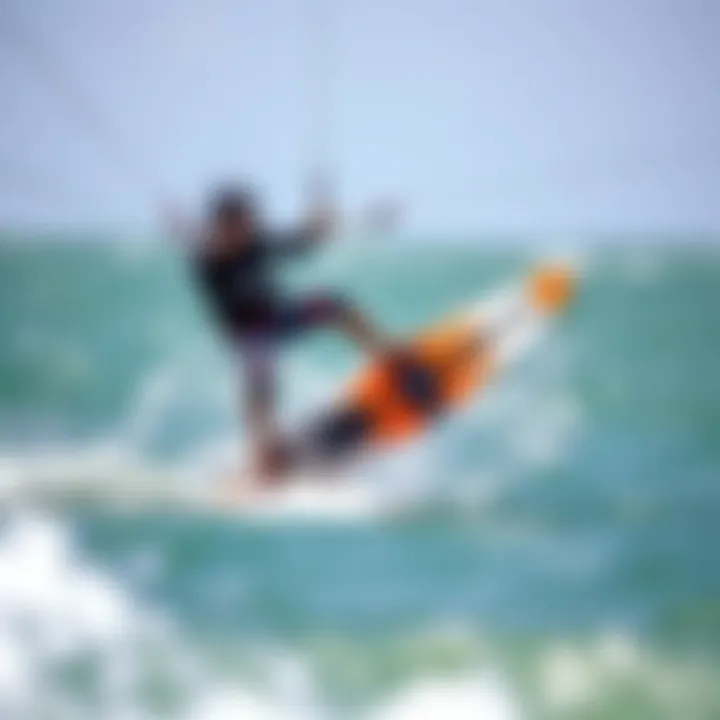
The weight and size of the rider are pivotal in choosing the right hydrofoil pump board. The board’s volume, buoyancy, and lift produced by the hydrofoil should align with the rider’s weight to ensure optimal performance. Heavier riders may find that they require a larger board to gain lift efficiently, while lighter riders might benefit from a smaller, more agile board.
- Heavy Riders: Look for boards with more volume and surface area for better lift.
- Light Riders: Smaller boards allow for more technical moves and tricks.
Finding the right balance ensures a smoother ride and reduces the strain when paddling out. Each rider should consider their own body metrics to align them with the board’s specifications.
Board Design and Material Preferences
Lastly, the design and materials used in hydrofoil pump boards can significantly impact performance. Riders should consider whether they prefer a board made from lighter materials like carbon, which can improve speed and efficiency, or heavier designs that may offer more durability and stability. Innovative designs, such as those incorporating concave shapes or variations in thickness, play a role in how the board interacts with water.
- Carbon boards: Lighter and often faster but more expensive.
- Epoxy boards: Generally more affordable yet heavier, providing robustness.
- Design features: Consider shapes that enhance glide and create better lift.
In addition to materials, elements like fin placement can affect maneuverability and speed, tailoring the board to specific riding styles. Choosing between performance and durability is vital in ensuring that the board suits your riding lifestyle.
Tip: Always test a few different boards if possible to determine which design feels the most comfortable and aligns with your riding style.
These considerations form the backbone of an informed purchase. Hydrofoil pump boarding is not just a mere pastime; it’s an exhilarating sport that demands respect for equipment. By understanding these key factors, riders can step up their game and truly enjoy the ride.
Using Hydrofoil Pump Boards: Techniques and Tips
Using hydrofoil pump boards demands a unique set of skills and knowledge. As in any sport, mastering techniques significantly enhances performance and enjoyment. For kiteboarders, understanding the nuances of hydrofoiling can lead not only to more exhilarating rides but also to improved safety on the water. There are several key points to consider, starting from initiation to riding in varied conditions—each ensuring a smoother ride and a deeper connection with the sport.
Getting Started with Hydrofoiling
Starting with hydrofoiling may feel like learning to ride a bike all over again. Just like the first time on two wheels, mastering balance is key. Here is how to begin:
- Choose the Right Conditions: Calm waters are kinder to beginners. Look for breezy days with less chop, as this minimizes the chances of falling.
- Proper Equipment Setup: Make sure your kite is well sized for the wind conditions. A smaller size is generally easier to handle.
- Learning Position: Position your feet correctly—place them where your bindings provide the most control over balance and distribution of weight. Your knees should be slightly bent, and your body relaxed.
Once you’re on the board, the feeling of lifting above the water will be nothing short of euphoric. Just remember, take your time; there’s no rush to get airborne on the first go.
Balancing and Steering Techniques
Balance, the cornerstone of hydrofoiling, requires practice and an understanding of shifting weight. Here are techniques to help in steering and maintaining equilibrium:
- Weight Distribution: Lean forward slightly when gaining speed to prevent the nose from diving. If you feel the back of the board lifting too high, shift your weight back cautiously.
- Subtle Movements: Use gentle movements to steer. Overreacting with big shifts can destabilize the board. Aim for small shifts of your hips and shoulders to guide your path.
- Engaging the Fin: Once lifted, the hydrofoil's wing creates lift. Use the rear foot to engage with the surface and maintain control during turns.
Practicing these techniques will go a long way in enhancing comfort and confidence on the water, turning each attempt into a rewarding session.
Riding in Different Conditions
Kiteboarding in varied conditions isn't just a skill; it's an art. Each environment offers its unique challenges:
- Light Winds: In lighter winds, patience is vital. Keep the kite high and maintain a steady pull, gradually building up speed. Too much movement might cause instability, so focus on smooth transitions.
- Choppy Water: Riding in choppy waters presents its own trials. Here, maintaining a low position helps stabilize your center of gravity. Stay light on your feet; it’s about adjusting quickly to the water's movements.
- Surf Conditions: Hydroflying over waves might feel daunting at first, but once you find your rhythm, it can turn into one of the most rewarding experiences. Keep your kite low during turns to maintain momentum and avoid getting tossed by the waves.
In all conditions, being aware and responsive is crucial. Each time you head out, you learn something new about your equipment and environment.
Effective hydrofoiling hinges on continuous practice and adaptability. Each ride teaches valuable lessons not just on technique but also on understanding the water and wind.
The world of hydrofoil pump boards offers unending excitement and potential for riders of all experience levels. As each technique unfolds, the joy of soaring above the water increases, opening up a versatile range of possibilities in kiteboarding.
Maintenance and Care for Hydrofoil Boards
When it comes to hydrofoil pump boards, maintaining and caring for them can make the difference between a thrilling ride and a disastrous fall. Just like a well-oiled machine, regular upkeep ensures that these advanced tools deliver top-notch performance. Proper maintenance not only extends the life of your equipment but also enhances safety and efficiency while kiteboarding. Riders who neglect maintenance might find themselves caught off-guard by unexpected issues or, worse, accidents on the water. In this section, we will explore essential strategies for preserving your hydrofoil board and ensuring it remains in peak condition.
Preventive Maintenance Tips
Keeping your hydrofoil pump board in great condition necessitates a proactive approach. Here are a few tips that can help you avoid common pitfalls:
- Rinse After Use: Always rinse your board with fresh water to remove salt, sand, or debris. This basic step prevents corrosion and prolongs the lifespan of components.
- Inspect Regularly: Give your board a thorough visual inspection. Keep an eye out for any scratches, cracks, or other signs of wear. These can sometimes develop unnoticed but can lead to bigger problems down the line.
- Tighten Components: Ensure all screws and bolts are secure before heading out. Loose parts can result in malfunctions, which may lead to falls or damaging the board.
- Store Properly: Store your hydrofoil in a cool, dry place, away from direct sunlight. Prolonged exposure to UV rays can degrade materials.
- Use Protective Covers: Consider investing in padded cases or covers for transportation. This can guard against dings and dents that occur when boards knock against each other.
Maintaining your hydrofoil board goes beyond just cleaning; it’s about building a habit of vigilance. Noting the little things can lead to a longer lifespan and, ultimately, more enjoyable rides.
Identifying and Repairing Damage
Despite best efforts, damage may occur, and recognizing it early can save time and money. Knowing what to look for and how to handle repairs can keep you on the water longer.
- Surface Scratches and Dings: These minor imperfections may seem trivial, but they can compromise the integrity of the board. Use epoxy or repair kits designed for hydrofoils to fill in these spots. Proper application can prevent water from seeping in and causing further damage.
- Delamination: If you notice bubbles or separations in the board's layers, it’s crucial to address it immediately. Delamination occurs when water seeps into the foam core. Depending on severity, professional repair might be required.
- Fuselage and Wing Checks: Since these components bear the brunt of the board's performance, scrutinize them closely. Look for bends or breaks. Restorative options may involve replacing parts entirely, especially if they're compromised.
- Mast Inspection: Don’t overlook the mast. Check for any bends or cracks near the mounting points, as these are stress areas. If there's any distortion, it is better to consult a professional.
Taking the time to assess and mend damage can save you from greater expenses and potential dangers while kiteboarding. Knowing exactly how to repair certain issues creates confidence when taking your hydrofoil out in diverse environments.


"An ounce of prevention is worth a pound of cure." Keeping tabs on maintenance can provide riders peace of mind and a smoother sailing experience.
Remember that good care isn't just about equipment preservation; it’s about maintaining the joy and thrill that kiteboarding brings.
Safety Guidelines When Kiteboarding with Hydrofoil Pump Boards
Safety in kiteboarding, especially while using hydrofoil pump boards, is non-negotiable. With the rapid advancements in equipment design and capabilities, understanding how to ride responsibly can mean the difference between a thrilling adventure and a hazardous situation. This section emphasizes the importance of adhering to safety protocols that not only protect the rider but also those around them. Let's dive into the critical aspects that kiteboarders need to contemplate when engaging with hydrofoils.
Essential Safety Gear
Equipping oneself with the right gear is paramount for safe hydrofoil riding. Here are some must-have items:
- Helmet: A properly fitted helmet is essential to protect against head injuries during falls. Look for helmets specifically designed for water sports.
- Impact Vest: This adds a layer of buoyancy and protection. It cushions the body against hard impacts, which can occur during crashes.
- Wetsuit: Even in warm waters, a wetsuit can provide protection against both cold temperatures and potential abrasions or cuts.
- Leash: A kite leash is vital to keep your kite within reach if you get separated from it. This prevents entanglement.
- Footstraps or Bindings: Ensure these fit well to keep your feet secured while riding, reducing the risk of getting unbalanced.
- Safety Release Mechanism: This is critical for emergency situations, allowing the rider to quickly detach from the kite if necessary.
Having the correct safety gear doesn’t merely comply with best practices – it shows a commitment to responsible riding.
Understanding Environmental Conditions
Every kiteboarder must learn to respect the water and wind conditions before heading out. Understanding environmental factors can help prevent accidents and ensure a more enjoyable experience. Here are elements to consider:
- Wind Speed and Direction: Check forecasts and be mindful that wind speed can change quickly. Ideal speeds for hydrofoiling usually range between 10-20 knots for beginners.
- Water Conditions: Assess water currents, waves, and potential obstacles. Choppy waters can make it difficult to maintain balance.
- Tides: Be aware of tide schedules since high and low tides can significantly affect water levels and conditions.
- Weather Conditions: Check for storms or changes in weather. Adverse weather can create unpredictable challenges.
"The ocean has its moods; respect it and you'll ride safely."
Understanding these factors not only enhances safety, but it also enriches the riding experience.
Recognizing Risk Factors
Being aware of potential risks associated with hydrofoil pump boards helps riders make safer choices. Here are some common risks to recognize:
- Falling: Hydrofoils can create a unique sensation, and falls typically occur when a rider loses balance. Landing on the foil can be particularly dangerous.
- Collision: The combination of high speed and other riders or obstacles can lead to accidents. Always be vigilant about your surroundings.
- Equipment Failure: Regularly inspect gear for signs of wear and tear. A faulty board or kite can lead to catastrophic failures.
- Overconfidence: It’s easy to push oneself too hard, thinking you're ready for advanced maneuvers. Know your limits and take incremental steps in skill development.
Each of these factors contributes to the overall safety landscape of hydrofoil kiteboarding. More than mere guidelines, they serve as essential reminders to riders about maintaining awareness and exercising caution.
Exploring Future Innovations in Hydrofoil Technology
As kiteboarding continues to evolve, the importance of innovative technology in hydrofoil pump boards cannot be overstated. These advancements play a pivotal role in enhancing not only performance but also rider experience. Much like how smartphones have transformed communication and navigation, innovations in hydrofoil technology are reshaping the landscape of water sports. Let’s delve deeper into what the future might hold for hydrofoil designs and how they affect overall kiteboarding dynamics.
Emerging Trends in Hydrofoil Design
In recent years, designers have been pushing the envelope, introducing a host of new concepts that cater to both budding enthusiasts and seasoned professionals alike. Several trends are emerging in hydrofoil design:
- Materials and Lightweight Construction: Manufacturers are increasingly using carbon fiber and other composites that offer significant weight savings while enhancing durability. This shift allows riders to experience heightened responsiveness on the water, making transitions between maneuvers less cumbersome.
- Adjustable Foil Configurations: Flexibility in hydrofoil settings allows riders to customize their gear to match specific water conditions or their skill levels. Being able to alter wing shapes or alter mast heights can greatly influence lift capabilities and overall performance.
- Integration with Other Technologies: Some manufacturers are melding hydrofoils with gyroscopic sensors and GPS technology, enabling real-time performance feedback. This data can revolutionize training methodologies and personal performance tracking.
"Innovation in hydrofoil design is no longer a luxury; it’s a necessity for those who wish to dominate the waves."
With these developments, the hydrofoil pump boards are not just tools for riding; they are becoming essential instruments for pushing the sport's limits.
Impact of Technology on Performance
The relationship between technology and performance in kiteboarding hinges on how these innovations directly translate to on-water efficiency and rider capability:
- Enhanced Lift: Advanced foil shapes and profiles allow for more efficient water displacement. Riders can achieve lift at lower speeds, which opens up a new world of trick possibilities and a smoother ride.
- Riding Stability: Innovations in stability technology, such as counteracting vibrations and improving balance, contribute significantly to a rider's comfort level. This is particularly crucial in choppy waters where maintaining control can be the difference between a successful run and a tumble.
- Sustainability: As the spotlight on environmental issues shines brighter, manufacturers are exploring eco-friendly materials and practices. This is not only better for the planet but can also offer better performance through sustainable design methods.
Peeking into the crystal ball, one can envision a future for hydrofoils that incorporates more than just speed and agility—embracing sustainability alongside advanced performance metrics. As technology advances, so too will the kiteboarding experience, allowing kiteboarders to ride the waves with newfound prowess.
For further insights on emerging technologies and how they shape various sports, you might explore resources like Wikipedia and forums on Reddit.
Culmination: The Role of Hydrofoil Pump Boards in Modern Kiteboarding
The landscape of kiteboarding has witnessed substantial shifts with the dawn of hydrofoil pump boards. These boards represent more than just another piece of equipment; they signify a turning point in how enthusiasts interact with the water. Riders today are discovering that hydrofoil pump boards enhance their experience, pushing the boundaries of performance and agility. The advanced design allows riders to slice through the waves effortlessly, making them feel akin to soaring above the elements.
Integrating Hydrofoils into Your Riding Style
To truly reap the benefits of hydrofoil pump boards, integrating them into your personal riding style is essential. Understanding the nuances of how these boards respond to various maneuvers fosters an intimate rider-board relationship. A few tips for seamlessly blending hydrofoils into your routine include:
- Choose the Right Conditions: Hydrofoil boards thrive in specific weather and water conditions. Ideal winds, typically between 12 to 20 knots, will allow riders to maximize their speed and agility. Fields with less chop will also yield smoother rides.
- Adjust your Technique: The shift from traditional boards to hydrofoils necessitates a different approach. Leaning slightly forward and using your body weight effectively enables better control and fluidity.
- Experiment with Speed and Angles: Each rider is unique and finding the speed that suits your riding style is paramount. Experiment with angles to discover which positions yield the best lift and maneuverability.
By adopting these strategies, riders can not just use hydrofoil pump boards but truly master them, reaping all the advantages they offer.
Final Thoughts on the Future of Hydrofoiling
The future of hydrofoiling within the kiteboarding community appears bright and brimming with potential. Trends indicate continual advancements in materials and designs, further enhancing performance while making hydrofoil boards more accessible. The integration of technology into hydrofoiling cannot be ignored, as smart innovations from sensors to design software are likely to revolutionize how boards are developed and experienced.
In closing, hydrofoil pump boards make waves—figuratively and literally. They open up a world of possibilities that can enrich one’s kiteboarding journey. For those who commit to understanding these advanced tools, the reward is an exhilarating adventure above the water, feeling the rush of being part of an elite group of riders evolving with this exciting sport. As kiteboarding progresses, staying ahead of the curve with hydrofoil technology makes for not just a thrilling ride but an ongoing engagement with a community bound by innovation.