Comprehensive Guide to Naish Wing for Kiteboarders

Intro
The world of kiteboarding has seen a remarkable evolution over the years, with various innovations enhancing the overall experience on water. One piece of equipment that stands out is the Naish Wing. This device has transitioned from being a mere accessory to an essential gear for both amateurs and seasoned kiteboarders. As the sport continues to shift, understanding the intricacies of the Naish Wing becomes paramount for riders looking to elevate their performance.
Through this guide, we will explore key aspects of the Naish Wing, including its design features, performance capabilities, and how it caters to varying skill levels. We’ll also touch on technological advancements that have driven the development of this gear. As the icing on the cake, we provide maintenance tips and safety considerations to ensure that you get the most out of your wing.
By the end of this article, you will have a deep understanding of the Naish Wing, allowing you to make informed choices and enhance your kiteboarding adventures.
Gear Selection
Choosing the right gear can be the difference between a thrilling session and a frustrating one. With the Naish Wing, two components play a critical role: the kites and the board.
Types of Kites
When selecting the right Naish Wing, you are essentially choosing the kite that aligns with your riding style. Naish offers several models, each designed to cater to specific conditions and rider preferences.
- Naish S26 Wing Surfer: Designed for versatility, this wing excels in both surf and flatwater conditions.
- Naish S26 Hover: Aimed at beginners, it features a user-friendly setup that ensures stable flight and control.
- Naish S26 Wing: Ideal for those focusing on speed and performance, this model has a streamlined design that allows for cutting through the wind effortlessly.
Each kite varies not only in size but also in materials used, which directly affects durability and responsiveness. Understanding how each model reacts in wind and water conditions can drastically improve your experience.
Choosing the Right Board
The board you pair with your Naish Wing is equally crucial. Whether you ride on flat water, waves, or choppy surfaces, the right board can enhance your ride. Here are a few considerations:
- Size Matters: A larger board will provide more stability but may sacrifice speed. Conversely, a smaller board can enhance maneuverability at the risk of control.
- Volume: Higher volume boards make it easier to get started and stay afloat in lower winds.
- Shape: Consider whether you prefer a longboard for cruising or a shorter, maneuverable board for tricks.
Selecting wisely can enhance your control, making your sessions both safer and more enjoyable.
"The right combination of wing and board can transform your kiteboarding experience – don’t underestimate its impact!"
Skill Development
With the right gear selected, it's pivotal to develop your skills to fully utilize the Naish Wing. Mastery not only bolsters your confidence but also opens up new possibilities for maneuvers and stunts.
Essential Techniques
Practicing basic techniques lays the foundation for advanced moves. Start with:
- Proper Launching: Ensure effective positioning and control when launching.
- Turning: Focus on making smooth transitions to maintain momentum while navigating.
- Body Positioning: Your stance affects balance – keep your knees bent and weight distributed evenly.
Progression Tips
As you grow comfortable, challenge yourself with more difficult maneuvers:
- Jumping: Begin with small hops and progressively increase height and complexity.
- Tricks: Start incorporating spins and rotations to impress.
Engaging with fellow kiteboarders or joining workshops can also elevate your progression. Learn from peers, ask questions, and share experiences to gain insights that books can't offer.
This guide not only points you in the right direction regarding the Naish Wing but also equips you with the knowledge to engage with fellow enthusiasts meaningfully. With proper gear selection and skill development, you’ll see your kiteboarding experience skyrocket.
Prelude to Naish Wing
The Naish Wing has emerged as a crucial element in the kiteboarding scene, incorporating the thrill of flying on water with an innovative design. As kiteboarding enthusiasts continue to explore new avenues for adrenaline, understanding the facets of the Naish Wing is paramount. This guide goes into detail, unraveling the importance of this wing in shaping modern wingfoiling adventures.
The Naish Wing is not just a piece of equipment; it's a symbol of progression in the watersport domain. Riders recognize the Naish brand as synonymous with quality, and the development of the Naish Wing embodies years of engineering, passion, and insight into performance needs. It’s essential to appreciate not only what this wing can do but also why it resonates with kiteboarders across all levels.
Understanding Wingfoiling
Wingfoiling falls between traditional kiteboarding and the rebellious spirit of windsurfing. It enables riders to harness wind power through a handheld wing, allowing for a unique sensation of flight over water. This form of riding is more than recreational; it promotes agility and precision. Winds swell the sails, and the foil under the board lifts the rider above the surface, delivering an exhilarating experience that feels different than any other watersport. The appeal lies in its simplicity and stylized approach, providing an appealing launchpad for both veterans and novices exploring the oceans.
Evolution of Wing Designs
The journey of wing design has seen significant evolution over time. In its infancy, wings were rudimentary, focusing on basic shapes and materials. However, with advances in material technology and a richer understanding of aerodynamics, designs have transformed markedly. Current Naish Wings feature improved stability, faster configurations, and greater ease of use, enhancing the overall experience for users.
Innovations like double strut systems, lightweight fabrics, and optimized leading edge designs can greatly affect ride quality. Today’s designs also take into account different wind conditions, user experience levels, and overall performance expectations. With the variety of models available, riders can select wings that cater to their unique style, be it aggressive maneuvers or smooth glides—the choice is theirs.
"The evolution of wing designs isn’t just about aesthetics; it’s about performance that resonates with riders' instincts and aspirations."
Understanding the Naish Wing is an invitation to engage with the sport on a deeper level. Whether you're just starting or you've been riding for years, the combination of its solid design and ergonomic advancements can make all the difference on the water.
Naish Wing: A Technical Overview
The Naish Wing is a significant component in the wingfoiling journey, offering kiteboarders various attributes that influence their performances and experiences. This section dives into the elemental aspects of the Naish Wing, focusing on material composition, structural characteristics, and size selections, all integral to choosing the right gear. Understanding these facets is crucial not only for purchasing decisions but also for optimizing outcomes while riding. By unpacking the technical specifics, riders can confidently select a wing that matches their skill level and enhances their time on the water.
Material Composition
One of the standout features of the Naish Wing is its carefully selected materials. The construction generally involves a combination of high-durability fabrics that withstand the rigors of water sports. Spreading the emphasis on quality, many models use reinforced ripstop nylon or dacron, both known for their robustness and resistance to ripping, making them ideal for potential wear and tear.
Additionally, the use of a lightweight framework contributes to performance. It’s not just about how strong materials are, but how well they work together. For instance, the blending of these fabrics ensures a balance between stiffness and flexibility, crucial for efficient lift without compromising control. Riders often find that a well-constructed Naish Wing maximizes both durability and performance, ensuring a smoother glide that resonates well with various riding styles.
Wing Structure and Shape
The shape and structure of the Naish Wing play a pivotal role in how it interacts with the wind and water. Typically, Naish Wings feature an optimized aspect ratio, allowing for efficient airflow over the surface. This aspect ratio not only influences lift but also enhances stability during flight.
Moreover, the design focuses on wingtip shapes, which can greatly affect maneuverability. Tapered wingtips, for instance, reduce drag and improve turning efficiency, making quick transitions possible even in choppy waters. The leading edge usually has a slightly rounded profile, promoting smoother entries into the wind, which benefits riders while they change directions or speed.
It's also notable that the wings are designed for varying conditions, ensuring that there’s something for every rider, whether they’re carving through ocean swells or navigating calm lakes. In short, a Naish Wing's structure is not merely about aesthetics; it's about performance and versatility on the water.
Size Options and Selection
Choosing the right size for a Naish Wing isn’t a one-size-fits-all approach. Various factors come into play, from the rider's weight to the wind conditions typically encountered. Naish offers a range of sizes to accommodate these variables.
- Lightwind Conditions: For lighter winds, opting for larger wings can catch more breeze, creating efficient lift even when conditions aren't ideal.
- Freestyle and Maneuverability: Smaller wings enable sharper turns and more control, allowing experienced riders to work on complex maneuvers without the worry of excessive pull.
When selecting a size, it's beneficial to consider the following:
- Rider Weight: Heavier riders typically favor larger wings for optimal lift.
- Wind Strength: Adapt the size of the wing to the average wind speeds in your riding area.
- Personal Riding Style: Understand your preferences—whether you’re looking for speed, tricks, or leisurely gliding.
"Choosing the right wing size not only impacts performance but also enhances rider confidence on the water."
Properly matching size to these considerations ensures an enjoyable experience regardless of skill level. Ultimately, experimenting with different sizes can also provide insight into what resonates best with individual riding styles.
Understanding these technical details about the Naish Wing not only aids in better equipment selection but also enhances overall comfort and performance while riding. These aspects set the foundation for a memorable experience, where the rider feels connected with the water, wind, and wing.
Performance Characteristics
The performance characteristics of a wing are what separate a truly exhilarating ride from merely a fun day on the water. These traits focus on how the Naish Wing performs under various conditions and for different skill levels. Understanding these details is crucial when selecting gear that matches your riding style and ambitions. It helps to bridge the gap between what you desire out of your experience and what the equipment can actually deliver.
Lift and Glide Capabilities
When discussing lift and glide in the context of the Naish Wing, it’s essential to realize how both of these elements work together to create a smooth and enjoyable ride. Lift refers to the ability of the wing to elevate the rider above the water, allowing for longer glides and reducing the effort needed to stay airborne.
A wing designed with superior lift characteristics can make even choppy waters feel like a gentle lake. With the Naish Wing, the combination of its specific airfoil shape and optimized aspect ratio provides a remarkable lift from low wind speeds. Riders often find themselves effortlessly skimming across the surface.
"A wing that glides well translates into less fatigue during longer sessions—an advantage for those marathon afternoons on the water."
To maximize this performance, it is advisable to match the wing size to your body weight and riding conditions. A lighter rider might prefer a smaller wing for agility, while larger riders might go for a bigger size to generate enough lift. Choosing wisely can elevate your wingfoiling experience.
Turning Radius and Handling
Handling is crucial for those tight turns and quick maneuvers during a session. The turning radius essentially describes how sharp a wing can turn, influencing the overall responsiveness when navigating through different conditions. With the Naish Wing, the design emphasizes both stability and agility, enabling riders to carve through waves and perform tricks with confidence.
A tighter turning radius allows you to pivot quickly, which is particularly advantageous when you're in crowded conditions or when you simply want to switch up your direction on the water. With the correct technique and a well-chosen wing, you can transform a mundane ride into an exhilarating session filled with dramatic turns and acrobatic feats.
Here, a key consideration is the rider’s comfort with the wing and the level of skill they possess. Beginners may initially find a larger turning radius more forgiving, while advanced riders often benefit from a tighter turning capability that allows intricate movements.
Speed and Control
Speed and control often go hand in hand, but they can sometimes be at odds depending on the rider's preference. The Naish Wing excels in delivering moderate to high-speed runs, thanks to its well-engineered profile. Riders looking for adrenaline-filled moments will appreciate how effortlessly the wing can accelerate, enabling thrilling rides that make you feel like you're flying.
Control becomes a vital factor as your speed increases. The Naish Wing maintains excellent control even at high speeds. It does require an understanding of weight distribution and body positioning to reap the full benefits. For instance, leaning slightly forward can enhance your speed, but keeping within the bounds of a balanced posture ensures that you don’t lose control in gusty conditions.
Combining technique with the right gear can amplify the adrenaline and enjoyment of your time on the water.
Target Audience: Who Can Benefit from the Naish Wing?
When diving into the realm of kiteboarding, understanding who benefits the most from the Naish Wing is crucial. An effective wing is not merely a piece of equipment; it’s a tool that can elevate a rider's performance, offer stability, and enhance the overall experience on the water. Whether you're a novice trying your first maneuvers or an expert aiming for speed and efficiency, the Naish Wing has specific advantages tailored to different skill levels. Here’s a closer look at three main groups that can reap the benefits of this advanced gear.
Beginners and New Riders
Newbies entering the world of kiteboarding will find the Naish Wing to be a forgiving companion. With its ample lift and user-friendly design, this wing allows riders to focus on mastering fundamentals without the overwhelming complexities of other equipment. The wide wingspan accommodates slower speeds, which is ideal for those still figuring out balance and control.
- Key aspects for beginners include:
- Easy Upright Position: The wing provides stability, helping riders maintain an upright stance, vital for those new to the sport.
- Responsive Handling: Lightweight materials used in Naish Wings facilitate a fine-tuned response even with minimal input from the rider.
- Safety Features: The wing is designed to minimize the risk of overpowering, creating a safer environment for individuals still getting their bearings on the water.
With these features in mind, beginners can quickly transition from learning basic techniques to enjoying their rides with confidence.
Intermediate Practitioners
Those who have grasped the ropes and are ready to refine their skills can benefit significantly from the Naish Wing. Intermediate kiteboarders often seek performance enhancements without delving into the high-maintenance setups that advanced kits might require. The Naish Wing strikes a balance between usability and performance, making it an ideal choice for this group.
- Pertinent improvements for intermediates are:
- Progressive Lift Dynamics: Enhancements in lift can catapult an intermediate rider into new territory, including jumps and more dynamic aerial tricks.
- Control During Turns: The design of the Naish Wing allows for tighter turns and controlled maneuvers, essential for building skills and confidence.
- Customization Options: Intermediates can adapt the setup to suit their preferences, whether it's a focus on speed or leisurely cruising.
As they fine-tune their techniques, the Naish Wing supports their journey toward advanced riding.
Advanced Competitors
For seasoned riders, competition isn't just about showcasing skills; it’s about maximizing performance and precision. Advanced kiteboarders will appreciate the engineering behind the Naish Wing, which is tailored to enhance speed, agility, and overall responsiveness on the water.
- Features appealing to advanced users include:
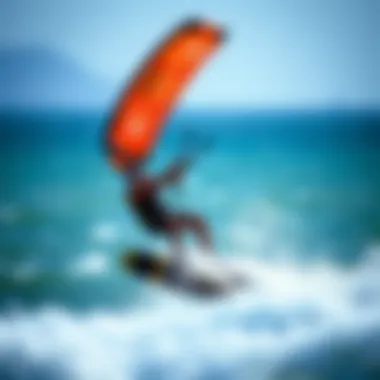

- Aerodynamic Efficiency: Every curve and angle of the Naish Wing is designed for smooth airflow, significantly reducing drag and allowing for higher speeds.
- Precision Control: The wing's construction enables experts to make swift, accurate movements—crucial in competitive scenarios.
- Durability Under Pressure: High-quality materials ensure that the Naish Wing withstands the rigors of competition without sacrificing performance, making it a reliable choice for top-tier racers.
Advanced competitors can push their limits, exploring new tricks and strategies while the Naish Wing delivers performance that meets their high standards.
In essence, whether you are a budding enthusiast, an intermediate seeking refinement, or an advanced competitor aiming for victory, the Naish Wing provides tailored features that align with your skill level, fostering growth and enhancing your overall kiteboarding experience.
From the initial sparks of interest to the triumphs of competition, the Naish Wing serves as an invaluable ally, supporting riders in their pursuit of excellence.
Choosing the Right Gear for Enhanced Experience
When it comes to kiteboarding with the Naish Wing, the gear you select can greatly impact your performance and enjoyment on the water. The right combination of equipment not only boosts your skill set but also enhances safety and comfort, making each session enjoyable. Opting for mismatched gear might leave you feeling like a fish out of water, while the perfect setup will have you gliding effortlessly.
Complementary Equipment
Understanding what complementary equipment works best with the Naish Wing can turn a decent day on the waves into a memorable adventure. A few essentials include:
- Harness: The right harness supports your body during those high winds and lets you control the wing effectively. Look for one that offers a snug fit without constraining your movements—comfort goes a long way in this sport.
- Board: A suitable board plays a pivotal role in your overall experience. Boards designed specifically for wingfoiling offer better stability and agility. Consider factors like size, shape, and material—each element contributes to how well you can maneuver.
- Safety Gear: Don’t skimp on safety gear such as a vest or helmet. They provide not just physical safety but bolster your confidence too. Selecting high-quality protective gear ensures that whether you're catching air or carving turns, you’ll have peace of mind.
Investing in these complementary items helps create a synergistic relationship with the Naish Wing, allowing for enhanced performance and greater joy on the water.
Hydrodynamics and Foil Pairing
The hydrodynamics of your setup are crucial in maximizing performance. Pairing your Naish Wing with the correct foils is like finding the right dance partner—everything flows better.
When choosing foils, here are some aspects to consider:
- Wing Span: A larger span gives you more lift, but might reduce speed compared to a smaller wing. Knowing your riding style and skill level can help you make an informed choice.
- Aspect Ratio: High aspect ratio foils offer greater speed and efficiency, making them suitable for experienced kiteboarders. Lower ratio foils are generally more stable and forgiving for beginners.
- Material: The material of the foil can affect weight and durability. Carbon foils tend to be lighter and more responsive, although they often come with a higher price tag compared to aluminum options.
Understanding the hydrodynamic principles not only leads to better performance but enriches your overall experience by allowing you to harness the full potential of your Naish Wing.
Choosing the right gear is not just about performance; it’s about ensuring every moment on the water is enjoyable and safe.
In summary, selecting complementary equipment and ensuring the right foil pairing are key components of utilizing the Naish Wing effectively. With the right gear in your arsenal, your time on the water can transform into something extraordinary. Whether you're mastering the basics or pushing the limits, the right choice adds considerable value to your kiteboarding journey.
Maintenance: Ensuring Longevity of the Naish Wing
Maintaining the Naish Wing is paramount for kiteboarders who want to maximize performance and prolong the life of their gear. Wings, like any piece of sports equipment, undergo wear and tear, especially when subjected to the rigors of wind and water. Proper maintenance ensures that you can enjoy those exhilarating sessions on the water without worrying about damage or reduced performance. While it might seem tedious at times, adhering to a few key cleaning and care regimes can make all the difference.
Cleaning and Care Regimens
Keeping your Naish Wing in prime condition necessitates a thorough cleaning regimen. After each session, it’s essential to wash the wing with fresh water to remove salt, sand, and any debris. Salt, particularly, can be corrosive and, over time, may weaken the material. Here’s a comprehensive approach to cleaning:
- Rinse Immediately: After coming off the water, head to a nearby freshwater source. Rinse the wing thoroughly, taking care to get into the crevices where dirt can hide.
- Use Mild Soap: Occasionally, using a mild soap specifically designed for aquatic gear can be beneficial. This helps to break down oils and more stubborn residues that merely rinsing may not eliminate.
- Gently Wipe Down: Employ a soft cloth or sponge during the cleaning process. Avoid abrasive materials, as they can scratch the surface, diminishing the wing’s performance properties.
- Dry Properly: Once cleaned, hang the wing to dry in the shade, away from direct sunlight. Excessive sun can degrade materials over time.
Here’s a little tip to keep in mind:
"When in doubt, less is more—delicate care beats harsh treatment any day."
Storage Best Practices
Storing your Naish Wing correctly is almost as important as how you maintain it in between rides. Improper storage can lead to creases, tears, or other damages that may not be fixable. Here are some straightforward tips for optimal storage:
- Store Flat or Rolled: Either store the wing flat or roll it up carefully. Avoid folding it sharply, as this can weaken the fabric at the creases. If rolling, try to keep the wingspan symmetrical to prevent uneven stresses.
- Avoid Extreme Temperatures: Store your gear in a cool area, away from intense heat sources or prolonged sunlight, which can warp or discolor the material.
- Use a Proper Bag: Utilize a dedicated wing bag that offers some padding. This provides protection during transport and when storing. Look for bags that allow enough breathing space for the material.
- Keep Away from Sharp Objects: Ensure that the storage area is clear of any sharp objects that could easily puncture or tear the wing.
Following these maintenance guidelines can drastically extend the life of your Naish Wing, allowing kiteboarders to enjoy countless adventures with reliable, high-performance gear.
Safety Considerations
Safety in kiteboarding and wingfoiling is not just a set of precautions; it’s the cornerstone of a successful, enjoyable experience on the water. Given the rapid progression in wing technologies and the dynamic nature of conditions one can face, understanding safety considerations is essential for both novice and seasoned riders. It minimizes risks, enhances confidence, and ensures that the thrill of wingfoiling does not come with undue peril.
Pre-Flight Checklists
Before embarking on any adventure with your Naish Wing, a comprehensive pre-flight checklist can be a lifesaver. It sets the stage for a safer ride and allows riders to enjoy their time without worry. Here are a few crucial points to cover:
- Inspect the Wing: Check for any visible damage, such as tears or holes in the canopy. Make sure all seams are intact and the leading edge bladder is properly inflated.
- Harness and Lines: Ensure that the harness is functioning well and that lines are free from twists or tangles. Frayed lines can lead to unexpected kite behavior.
- Wind Conditions: Measure the wind speed with an anemometer or by observing the environment. Having a rough idea of the wind conditions relative to your skill level is key.
- Safety Equipment: Confirm the availability of your personal floatation devices, helmets, and any other safety gear you intend to use.
Performing these checks could mean the difference between a thrilling day and an unfortunate incident.
Weather Assessment
Riding in nature means adapting to the elements. Understanding how to assess weather conditions shouldn’t be overlooked.
- Learning the Basics: The wind can make or break a session. Familiarizing yourself with local wind patterns and seasonal changes helps create better riding experiences.
- Watching the Sky: Look for dark clouds or sudden shifts in air pressure. These can signal a shift in weather or an approaching storm—definitely not ideal for wingfoiling.
- Wind Direction: Pay attention to how the wind is blowing. Wind strength and direction can change rapidly, and unanticipated gusts can place heavy strain on your wing.
By keeping an eye on the weather, you guard against unexpected changes that may threaten your safety.
Emergency Protocols
Despite careful planning, emergencies can happen. Establishing a set of protocols beforehand can save time—and lives.
- Clear Communication: Establish signals or a communication method with fellow riders and rescue teams. This sets a safe framework in case of emergencies.
- Know Your Exit Routes: Before hitting the water, familiarize yourself with potential landing areas should you need to exit the water suddenly. Knowing where to go in case of trouble can ease panic and help maintain clarity.
- Practice Re-entries: Learn and practice re-boarding techniques. Getting back on the board swiftly can make a huge difference if conditions change.
- Stay Calm and Focused: In case of an emergency, panic can cloud judgment. Prioritize clear thinking and follow trained procedures.
In moments of uncertainty, a well-thought-out emergency protocol can be crucial.
"Safety is not a gadget but a state of mind."
This adage rings especially true in the realm of kiteboarding. Awareness and preparation not only enrich your riding experience but also ensure that the open waters remain a place of joy rather than fear.
Community and Events
In the world of kiteboarding, community engagement plays a significant role in enhancing the rider experience. The sport thrives on camaraderie, shared experiences, and learning from one another. Connecting with fellow kiteboarders not only provides safety through shared knowledge but also fosters a sense of belonging amongst riders of all levels. This section dives into how engaging with the local scene can enhance your experience with the Naish Wing, introduce you to competitive realms, and provide invaluable opportunities for skill development.
Connecting with Local Riders
Establishing connections with local riders is fundamental to enjoying the sport. Finding a group of enthusiasts allows you to exchange tips and tricks that can significantly improve your technique. Whether you’re just starting out or are an experienced practitioner, the insights from others can be helpful. Many local riders often share their experiences with specific conditions, gear modifications, and navigation strategies that can save a beginner from a few bumps and bruises.
Participating in local meet-ups or joining social media groups specifically for kiteboarding can pave the way for these connections. Beyond basic camaraderie, local riders can also become great friends who encourage and motivate one another.
- Social Media: Platforms such as Facebook and Reddit host groups where riders share experiences and arrange meet-ups.
- Local Kiteboarding Spots: Regular visits to popular kiteboarding spots can help in building relationships and learning from experienced riders.
Competitive Scene Overview
For many, the thrill doesn't end with casual riding; it extends into competitions. Naish Wings have carved a niche in the competitive scene due to their performance capabilities. Understanding the competitive landscape, from local contests to international championships, can be beneficial for those wanting to step into the spotlight.
Factors of Competitive Excitement
- Local Competitions: Small contests often occur at local kiteboarding spots, offering a perfect setting for newcomers to test their skills.
- National Championships: Larger events showcase the talents of the best in the field, often attracting sponsors and media attention.
- International Events: Participating in international contests can also provide insights into what the global kiteboarding community is doing.
By engaging in competitions, you can gauge your abilities and measure progress against peers. The friendly rivalry inspires you to improve while also serving as a great learning platform.
Workshops and Clinics
Hands-on workshops and clinics are an excellent way to develop skills. Naish Wings come with intricate designs and techniques that can take time to master. Participating in organized clinics, often led by industry professionals or experienced riders, can fast-track your understanding of wing performance and efficiency.
- Skill Development: Tailored sessions focus on specific skills ranging from tuning your wing for performance to advanced maneuvers.
- Safety Practices: Clinics often emphasize safety protocols, ensuring riders master not just the mechanics but also responsible riding.
"Workshops transform your approach from recreational to technical, making a significant difference in how you experience wingfoiling."
- Community Engagement: These events bring like-minded individuals together, fostering a community spirit and opportunities for bonding.
As the community around kiteboarding continuously evolves, so too do the events that cater to growing enthusiasts. Staying involved not only enhances your skills but broadens your understanding of the sport and its environmental considerations, linking the community with sustainability efforts. Building these connections can lead to a more enjoyable and enriching kiteboarding experience with your Naish Wing.
Environmental Considerations
As kiteboarding continues to gain popularity, it’s also crucial to recognize the environmental implications that come with this exhilarating sport. The gear we choose, from wings to boards, carries weight not just in performance but also in its ecological footprint. In this section, we’ll delve into sustainability in kiteboarding gear and its impact on marine life, highlighting the necessity for a balance between our passion for the water and the health of the ecosystems that host our adventures.
Sustainability in Kiteboarding Gear
Sustainability in kiteboarding gear has become a hot topic in recent years. As enthusiasts, we need to consider what materials are used in our equipment. Traditional manufacturing methods often rely on synthetic materials, which can have a long-lasting effect on our environment.
Naish, along with other innovators in this space, is leaning towards more sustainable practices. This includes utilizing recyclable materials and lowering waste during production. One excellent example is the introduction of wings made with eco-friendly fabrics, designed to reduce pollution without sacrificing performance.
Not only do these efforts make a difference, but they also appeal to a demographic more concerned with environmental stewardship. Choosing gear that prioritizes sustainability supports innovations like:
- Biodegradable components
- Recyclable packages
- Manufacturing processes with lower carbon footprints
Adopting these practices can contribute to a healthier planet, allowing future generations to enjoy kiteboarding just as we do. Therefore, when selecting new equipment, it’s worth taking the time to research brands that prioritize sustainability.
Impact on Marine Life
Kiteboarding brings excitement and joy, but it’s essential to reflect on its effects on marine ecosystems. When outfitting yourself with gear or accessing kiteboarding locations, understanding the ecological balance is paramount. Turbulence caused by riding can disrupt local wildlife and their habitats.
In particular, here are some considerations:
- Noise Pollution: The sound from boards and wings can impact sensitive species like dolphins and sea turtles. They rely on sound for communication and navigation.
- Physical Disturbance: Areas like coral reefs are fragile. Frequent landings and take-offs can lead to physical damage and sediment disruption, which can suffocate marine life.
- Pollution from Gear: Non-biodegradable waste, such as broken equipment, can create hazards for marine species. Momentum on this issue has led many riders to engage in cleanup initiatives at popular kiteboarding sites.
As stewards of the water, it’s our responsibility to minimize our impact. Practicing ethics like:
- Staying clear of nesting areas and sensitive habitats
- Using eco-friendly waxes and cleaners for gear maintenance
- Participating in local clean-up events
We can foster not only our love for the sport but also our commitment to protecting the environment.
"The ocean stirs the heart, inspires the imagination, and brings eternal joy to the soul." - Wyland
Future of Wingfoiling with Naish
As the world of sports adapts to new technologies and the shifting tides of consumer preferences, the future of wingfoiling holds a significant position within the spectrum of kiteboarding. The Naish Wing, being a cornerstone in this evolution, plays a pivotal role in not just the equipment itself but also in shaping community experiences and the competitive landscape. A quick look around shows us how fast this sport has been growing, and the developments on the horizon could potentially redefine how enthusiasts engage with the water.
Innovations on the Horizon
Looking ahead, several key innovations promise to enhance the wingfoiling experience for both seasoned riders and newcomers alike. These adjustments range from technical enhancements of the wing itself to the broader ecosystem of gear that accompanies it.
- Smart Materials: Already, we are seeing early-stage developments involving advanced composites that can adjust responsiveness based on environmental conditions. This means lighter, more resilient wings that can offer better performance without sacrificing durability.
- Wing Design Modifications: Expect to see alterations in shape and size tailored to specific wind conditions. Innovations such as adjustable wings will empower riders to modify their setups dynamically, adapting to a variety of ride conditions seamlessly. This flexibility could very well streamline the learning curve for newcomers while offering seasoned veterans the ability to fine-tune their gear based on experience.
- Increased Emphasis on Sustainability: The push toward eco-friendliness is anything but a passing trend. New manufacturing techniques that minimize waste and utilize sustainable materials will likely become part and parcel of the Naish Wing line. These not only demonstrate environmental consciousness but also cater to the growing demographic of eco-aware consumers.
- Tech-Driven Safety Features: Introducing elements like GPS tracking and real-time wind data on wings can enhance safety and improve the overall experience for riders. Riders could receive alerts on wind changes or emergency responses, allowing them to make informed decisions on the water, reducing risks associated with unpredictable conditions.
"The community's feedback will drive innovation in wingfoiling, ensuring that the needs of both enthusiasts and competitive riders are met."
It is crucial for riders to stay ahead by embracing these advancements. By maintaining a proactive attitude toward potential gear upgrades, kiteboarders can ensure that they are not just keeping pace but setting the bar for what is to come. Being aware of the shifts will allow kiteboarders to make informed choices, ensuring a well-rounded and delightful experience on the water.
In summary, the future of wingfoiling with Naish is not just about what the wings will look like. It encompasses how the innovations will revolutionize the entire wingfoiling experience. As these developments unfold, one thing is certain: the Naish Wing will remain at the forefront, leading the way into a new era of thrilling adventures on the water.