Exploring Land Boarding: A Complete Guide to the Sport


Intro
Land boarding is a thrilling sport that brings together elements of skating and kiteboarding, creating a unique adventure on the ground. While kiteboarding typically takes place on the open water, land boarding allows enthusiasts to harness the power of the wind in fields, beaches, or even urban spaces. Much like a kite surfer deftly maneuvers on waves, land boarders carve their way across diverse terrains. This sport has gained traction for its accessibility and the adrenaline rush it provides.
In this guide, we will navigate the various facets of land boarding, providing valuable insights into gear selection, skill development, safety considerations, and the connections between land boarding and kiteboarding. Whether you’re a beginner eager to take your first ride or a seasoned rider looking to refine your skills, there is plenty to unpack. Let's dive deeper into the essential elements that make land boarding an exhilarating option for outdoor enthusiasts.
Preamble to Land Boarding
Land boarding, an exhilarating sport, has gained traction in recent years, presenting a unique blend of thrill and skill. Understanding this sport goes beyond just knowing how to ride—it's about appreciating its roots and the community that thrives around it. This section dives into the essence of land boarding, its definition, and the historical context that shapes its current form.
Definition of Land Boarding
Land boarding is essentially a hybrid sport that incorporates elements of skateboarding and kiteboarding, involving striking a board mounted on large wheels and steered by the power of a kite. At its core, it’s about harnessing wind energy to cruise over various terrains, from sandy beaches to grassy fields. Riders strap themselves into a harness connected to a kite, allowing them to glide and perform stunts. Think of it like surfing without water—a beautiful dance between nature and skill.
Historical Background
The origins of land boarding echo the evolution of both kite and board sports. While the exact inception date remains muddy, enthusiasts trace its roots back to the 1990s when innovators started modifying traditional snowboard gear for land use. This creative transition opened doors for riders who wanted the thrill of kiteboarding but on dry land. Over the past couple of decades, land boarding has matured, seeing the establishment of competitions and growing recognition within outdoor sports communities.
"Enthusiasts regard land boarding not just as a pastime but as an art form—an expression of freedom fueled by nature’s own power."
The sport has slowly but surely carved out its niche, with dedicated associations and global events capturing the attention of thrill-seekers and curious newcomers alike. Riders have started to push the boundaries of what’s possible, showcasing impressive tricks never before seen on land boards. This historical backdrop is what enhances the sport's allure, connecting past and present, tradition and innovation.
Equipment Essentials for Land Boarding
When it comes to the exhilarating sport of land boarding, having the right equipment makes all the difference. Whether you’re an eager newbie or a seasoned pro, understanding the essentials can enhance your ride significantly. In addition to safety and performance factors, choosing the right gear caters to individual preferences and riding styles. With this in mind, let’s break down the key components every rider should be familiar with.
Types of Boards
Choosing the right board is foundational. Various types exist, each designed for specific conditions and styles of riding. Here’s a glimpse into the primary types of land boards:
- Freestyle Boards: These boards are typically shorter, allowing for enhanced maneuverability and tricks. They’re perfect for riders who want to perform jumps and spins, perhaps at a skatepark or a flat area.
- All-Mountain Boards: If versatility is your thing, the all-mountain board is a solid choice. These boards work well on various terrains, giving riders the freedom to explore diverse locations.
- Downhill Boards: For those who crave speed and control on steep descents, downhill boards are specifically built for stability and durability, designed to handle the harshest conditions.
Each board type brings something unique to the table. Riders should consider factors like weight, strength, and terrain when making their selections. Ultimately, the goal is to find a board that resonates with personal style and riding goals.
Kites and Harnesses
Along with the board, kites and harnesses play a crucial role in land boarding. The kite harnesses the wind, while the harness helps to secure the kite to the rider’s body. Here’s what to look for:
- Kite Types: There are mainly three types of kites: foil kites, leading edge inflatables, and power kites. Foil kites are lightweight and easy to pack, while leading edge inflatables offer excellent stability in diverse wind conditions. Power kites are robust and facilitate deep jumps or fast speeds, making them a popular choice for experienced riders.
- Harness Selection: The harness should provide comfort and security. There are two main types: waist harnesses which are generally low-profile and offer freedom of movement, and seat harnesses which offer more back support, ideal for beginners or those who prefer extra security.
It's important to ensure that both kite and harness are compatible and fitted properly, as this greatly affects performance and rider comfort.
Protective Gear
Safety in land boarding is non-negotiable. Protective gear acts as the first line of defense against injuries, making it vital for every rider.
- Helmets: A robust helmet is essential, designed specifically for action sports. It safeguards against serious injuries when accidents occur.
- Knee and Elbow Pads: These pads help cushion impacts and prevent bruises or worse. They shouldn’t feel bulky or hinder movement.
- Wrist Guards: Particularly useful during falls, wrist guards can significantly reduce the chances of fractures or other injuries.
Techniques and Skills
Techniques and skills are the backbone of mastering land boarding. Just like in any other sport, the progression from a novice to an expert is greatly influenced by the techniques employed. Understanding these techniques ensures not only a smoother ride but elevates the overall experience, transforming simple gliding into a thrilling adventure.
Basic Maneuvers
Every aspiring land boarder should first focus on basic maneuvers. These fundamental skills lay the groundwork for more advanced techniques later on. Key maneuvers include:
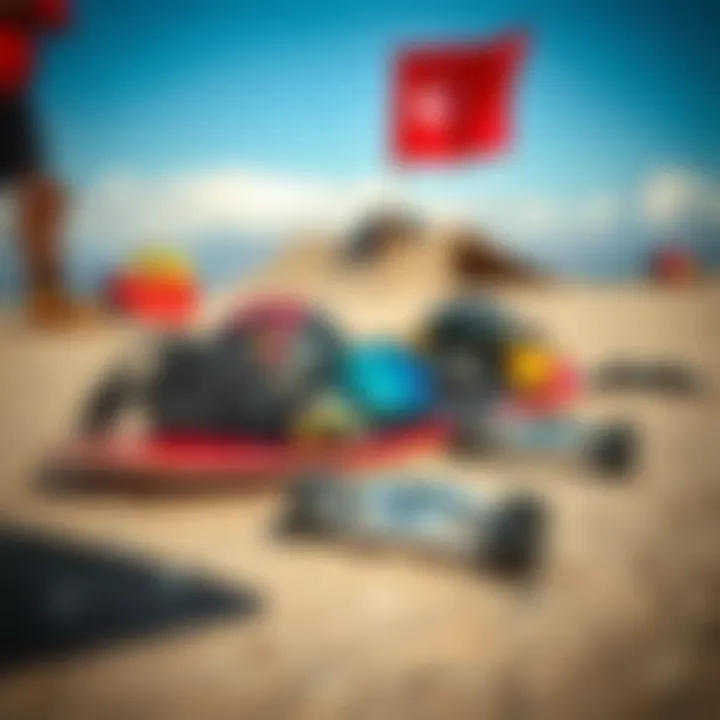
- Starting and stopping: It’s vital to know how to start and halt your ride smoothly. Practice pushing off with one foot while balancing on the board; and gripping the kite correctly during landings will prevent spills.
- Turning: Turns can seem daunting, yet they are essential in controlling your trajectory. Leaning into the turn using your hips and shoulders can produce a better arc, especially in windy conditions.
- Riding switch: This involves switching your feet while riding. It may feel awkward at first but getting comfortable with this will increase versatility and confidence on your board.
These basic techniques are not just obstacles to overcome; they form the foundation of your style and adaptive skills in varying terrains.
Advanced Techniques
Once you’ve got the basics down, you can shift gears towards advanced techniques. These skills can drastically enhance your performance and enjoyment:
- Jumping: Achieving aerial moments is a goal for many. Proper timing and a good lift from your kite can help you reach those heights. Start with small hops, and as you gain comfort, experiment with higher jumps.
- Carving: This involves leaning into the edge of your board, which allows for sharp turns and a more dynamic ride. Mastering carving not only increases speed but also gives greater control on diverse surfaces.
- Freestyle tricks: If you’re feeling ambitious, diving into freestyle can be exhilarating. Moves such as spins or flips will impress others and ramp up your skill set significantly. Start slow and build confidence with each trick.
Each advanced technique comes with its own set of challenges but brings immense satisfaction once mastered.
Common Mistakes to Avoid
As with any sport, beginners can often stumble upon common pitfalls that may hinder their progress:
- Over-gripping the kite: Many riders mistakenly hold onto the kite too tightly, which can cause excessive power and potential crashes. Gentle yet firm control is key.
- Ignoring body position: Not paying attention to how your body aligns with the board is a surefire way to lose balance. Ensure your knees are slightly bent, and your center of gravity is low.
- Neglecting practice: Skills take time to develop. Skipping practice sessions leads to stagnation. Set aside dedicated time for improving both your basic and advanced maneuvers.
By steering clear of these common errors, riders can significantly enhance their competence and enjoyment in the sport.
Mastering techniques and skills isn’t just beneficial; it’s essential for a fulfilling land boarding experience. Committing to practice ensures progression while bringing safety to the forefront.
Through diligent practice and an understanding of these dimensions, riders can look forward to a delightful journey in the world of land boarding.
Safety Considerations
Safety is a cornerstone of any extreme sport, including land boarding. The thrill of gliding over sandy, grassy, or even hard surfaces cannot outweigh the pressing need to keep both newcomers and seasoned riders safe. Understanding the risks involved is crucial, as well as knowing what gear can protect you and the best practices that help mitigate those risks.
Understanding Risks
Land boarding inherently comes with a series of risks that participants must recognize before hitting the ground. Whether you’re a first-timer or a veteran, acknowledging these factors can mean the difference between a fun day out and a trip to the hospital.
- Environmental Conditions: Uneven terrain is a given, and it's not always friendly. Rocks, holes, or a rough patch can easily result in falls. Keeping an eye on the chosen location is crucial; a site that seems harmless could rear its ugly head without warning.
- Equipment Failure: The equipment itself can be a contributor to accidents. A poorly maintained board or kite can fail at critical moments, leading to crashes or loss of control. Regular inspections and proper maintenance are paramount.
- Control and Speed: New riders often underestimate how quickly they can gain speed. The learning curve is steep, and without proper technique, losing control can result in serious injury.
By understanding these risks, land boarders can better prepare themselves and their riding experience.
Essential Safety Gear
Equipping oneself with the right safety gear is non-negotiable. Just like how you'd buckle up in a car, protective equipment provides an essential buffer against falls and mishaps. Here’s a look at what should not be skipped:
- Helmet: A solid helmet can save lives. Make sure it’s certified for impact protection. An ill-fitting helmet is as good as no helmet at all.
- Wrist Guards: Slipping can lead to a nasty fall, and if you reach out, you want to protect those precious wrists.
- Knee and Elbow Pads: When things go downhill, your joints are likely to take quite a hit. These pads will soften the blow, allowing you to bounce back quickly.
- Gloves: Not just for grip but also for protecting your hands from abrasions should you fall.
- Shoes: Opt for sturdy footwear with a good grip. Shoes should cover the ankles to avoid sprains.
Investing in proper safety gear is tantamount to safeguarding one's passion for the sport.
Best Practices for Safety
Even with gear in tow, it’s wise to adopt certain best practices to prevent accidents. Here are a few tips to keep in mind:
- Warm Up Before Riding: Just like any physical activity, warming up prepares your body, reducing the risk of injuries.
- Practice in a Safe Environment: Stick to wide-open spaces free of obstacles, especially when you’re still learning the ropes. Gradually introduce yourself to more challenging terrains.
- Know Your Limits: Don’t push yourself beyond what you can handle. If it feels out of control, it likely is. Listen to your body and take breaks as required.
- Stay Aware of Surroundings: Keep an eye out for other riders, pedestrians, or structures that may impede your path.
Safety isn't just a checklist; it's part of the culture in land boarding. Embracing it ensures that everyone can enjoy the ride without a hitch.
- Learn to Fall: As counterintuitive as it may sound, learning to fall can significantly reduce the chances of injury. Softening your body and rolling out of a fall are techniques that can help.
Engaging in land boarding is a blend of excitement and caution. Keeping safety at the forefront not only protects the individual but enhances the overall experience for the entire community.
Land Boarding Locations
Exploring where to ride is crucial in the land boarding experience. Every spot carries its own charm and challenges, shaping how enthusiasts engage with the sport. Factors like terrain, wind conditions, and accessibility can dramatically affect one's enjoyment and skill development. Knowing the right locations boosts not only your riding ability but also your overall connection to the land boarding community. The places you choose to ride can offer new perspectives on the sport and introduce you to fellow riders.
Ideal Environments for Land Boarding
When it comes to ideal environments for land boarding, you want a space that resonates with your desire for thrill while prioritizing safety. Look for relatively flat areas like beaches, parks, or open fields, where the terrain is smooth enough to prevent sudden stops or bumps.
Here are some key elements to consider:
- Wind Conditions: A consistent breeze can enhance your ride. The best spots usually have open spaces with few obstructions.
- Surface Type: Look for solid ground. Grassy fields or packed dirt work wonders. Try to stay away from rocky terrains or deep sand, which can hinder your momentum.
- Space: Ample room to maneuver is essential. Crowded places might limit your freedom to practice techniques and new tricks.
"The terrain you ride on can make or break your session; it's important to choose wisely."
Global Hotspots
Diverse regions have recognized the allure of land boarding, turning them into hotspots where riders flock for an exhilarating experience. Some places to note include:
- The California Desert: Known for its consistent winds and open landscapes, locations like Glamis and the Imperial Dunes attract enthusiasts from far and wide.
- The Dunes of Cape Hatteras, North Carolina: This area boasts beautiful beaches and reliable wind, making it a top choice for both amateurs and seasoned riders.
- Lake Havasu, Arizona: This location not only provides diverse terrain but also hosts numerous land boarding events throughout the year.
- The Beaches of Tarifa, Spain: Referred to as one of Europe's kiteboarding capitals, where the buzz of land boarding resonates well with both locals and visitors.
These spots are not just places to ride; they are hubs for community engagement, competitions, and shared experiences.
Local Spots to Explore
While global hotspots have their appeal, local spots often bring a unique flavor to your land boarding adventures. Here are some suggestions:
- Community Parks: Many urban areas have parks that are great for practicing maneuvers. Look for fields without too much foot traffic.
- Deserted Beaches: During off-peak times or seasons, many beaches become secluded playgrounds for land boarding. Keep the tides in mind.
- Local Hills: Small hills or inclines can add a fun challenge to your rides. These spots are also great for practicing jumps and skills in a controlled environment.
- Recommended Group Rides: Check with local land boarding groups on platforms like Reddit or Facebook. Often, seasoned riders will lead group rides at lesser-known spots, providing insights on the best terrain.
Environmental Impacts and Considerations
As the sport of land boarding continues to grow, it's essential to examine the environmental impacts and considerations associated with it. Understanding how this sport interacts with our surroundings not only helps to preserve natural environments but also enhances the overall experience for riders. Being proactive in environmental stewardship can mitigate potential harm while fostering a more sustainable community.
Ecological Footprint of Land Boarding
Every activity we engage in has a footprint. Land boarding is no different. The ecological footprint primarily stems from the materials used in the boards, kites, and protective gear. Many riders are less aware of how these items affect our planet.
- Material Sourcing: The boards are typically made from wood or composite materials, while kites often rely on synthetic fabrics. The extraction and processing of these materials can lead to deforestation, habitat destruction, and pollution.
- Manufacturing Processes: Factories that produce these items can emit greenhouse gases and waste, contributing to the overall carbon footprint of the sport.
- Site Impact: Riding on sensitive terrains, like dunes or fragile grasslands, can lead to soil compaction and erosion. Riders should consider choosing locations that can handle the wear and tear of such activities.
Land boarding’s ecological footprint should not be taken lightly. Awareness is the first step. By choosing gear made from sustainable materials and riding responsibly, enthusiasts can diminish their direct impact on the environment.
Sustainable Practices
As enthusiasts of land boarding, it’s crucial to adopt sustainable practices to ensure that the sport can thrive without wreaking havoc on nature. Here are a few strategies that riders can incorporate into their routines:
- Choose Eco-Friendly Gear: Opt for equipment made from recycled or sustainable materials whenever possible. Brands are increasingly producing boards and kites with eco-friendly practices in mind.
- Leave No Trace Principles: When riding, be mindful of your surroundings. Clean up after yourself. Taking this simple step helps maintain the beauty of nature for future generations.
- Ride in Designated Areas: Stick to established trails and designated dunes. This practice minimizes disturbance to wildlife and sensitive ecosystems.
- Educate Others: Share knowledge about sustainable practices within the land boarding community. Use platforms like Reddit or local meet-ups to discuss these issues and encourage others to join the cause.
- Support Local Conservation Efforts: Engaging with or supporting organizations aimed at preserving natural landscapes can make a notable difference.
"The greatest threat to our planet is the belief that someone else will save it." – Robert Swan
Sustainability is key to ensure that land boarding can be enjoyed. By embracing responsible practices, riders contribute to both preserving the environment and enriching their experience in this thrilling sport. Each small action compounds into a collective effort, showcasing how the land boarding community can lead the way in eco-conscious recreation.
Community and Event Culture
In the world of land boarding, the community plays a significant role in shaping the sport. Building connections and participating in events creates an environment where enthusiasts can share their passion, learn from one another, and grow as riders. Having a strong community not only enhances the experience but also contributes to the sport's evolution and visibility in broader circles.
Key Events and Competitions


Events and competitions are pinnacles of land boarding culture. They offer riders a platform to showcase their skills, meet like-minded individuals, and even compete for prizes. Notable competitions often take place at scenic locations, drawing crowds and media attention. These gatherings can range from local contests organized by community groups to internationally recognized championships.
The Land Board World Cup, for instance, takes place annually and attracts the best riders from various countries. Participants demonstrate their skills in agility, jumping, and tricks, pushing the boundaries of what’s possible on a board. Events like these not only fuel the competitive spirit but also create lasting friendships and networks within the sport.
Regular events can include workshops that focus on technique and safety, drawing both newcomers and seasoned pros. Why is this significant? It fosters a supportive atmosphere where sharing knowledge is commonplace. Riders come together to exchange tips and tricks, discuss gear, or simply enjoy a day outside under the sun.
Connecting with Other Riders
Finding a sense of belonging is crucial for any rider. Connecting with others helps build a network of support, knowledge-sharing, and camaraderie. Many riders find their closest friends through land boarding. Social media platforms, such as Facebook or Reddit, are excellent resources for connecting with fellow riders. Communities within these platforms often share insights, organize meetups, and even discuss gear recommendations.
In addition to online communities, in-person meetups provide opportunities to learn directly from others. Riders of all skill levels can benefit. If you’re just starting or looking to perfect a trick, riding with a group can vastly accelerate your learning process.
"Surrounding yourself with others who share your passion not only elevates your skills but also enriches your experience in the sport."
Becoming involved in local clubs or riding groups also helps nurture a welcoming culture. Whether it's participating in group rides or even just hanging out after a day of boarding, those bonds often lead to lifelong friendships.
Both events and community connections significantly enrich the land boarding experience. They embody the spirit of the sport—motivation, growth, and shared joy on an open field. The collaborations and friendships born out of these encounters might just be as valuable as the skills developed on the board.
Integrating Land Boarding with Kiteboarding
The relationship between land boarding and kiteboarding is one that benefits enthusiasts on both ends of the spectrum. Both sports share core techniques and skills, allowing riders to easily transition from one to the other. By exploring the integration of these two board sports, riders can enhance their overall experience. This section will delve into the ways land boarding and kiteboarding complement each other, alongside the benefits and considerations of merging the two.
Comparative Analysis
When looking at land boarding and kiteboarding, it's essential to understand their similarities and differences. Here’s a breakdown that highlights the key aspects:
- Terrain & Environment: Land boarding usually takes place on flat, open spaces like fields or beaches, while kiteboarding takes to the water. However, both depend significantly on wind conditions for propulsion.
- Equipment: The gear needed for the two activities shows some overlap. For instance, both sports require boards that have similarities in their shape and construction. A land board is typically sturdier because it needs to handle different terrains, while kiteboarding boards can be lighter and more streamlined for water.
- Techniques: The techniques of maneuvering are comparable. Riders can use the same principles of weight distribution and steering for both sports. For example, turning and balancing are vital skills in both, making transitioning between the two more intuitive.
"Mastering the essentials in one sport lays down a strong foundation for excellence in another."
Riders familiar with land boarding may find their skills enhance kiteboarding techniques, leading to a more well-rounded skillset.
Skills Transfer
Transitioning from land boarding to kiteboarding requires specific skill sets, many of which are transferable. Here are a few critical skills that can be transferred from one sport to the other:
- Balance and Coordination: Stability on the board is essential in both sports. Riders can practice maintaining balance on land, which directly translates to better performance on water.
- Wind Awareness: Understanding how wind affects movement is crucial. Both sports thrive on wind conditions; being adept in recognizing gusts and changes can lead to safer and more efficient riding.
- Control and Steering: Techniques for steering in land boarding carry over directly into kiteboarding. Riders who can confidently turn and maintain speed on land will find similar maneuvers in the water easier to master.
For more insights into the two sports and their community, you might check out forums on reddit.com or resources like Schemes for Riders.
By sharing techniques and experiences, enthusiasts can motivate and inspire each other, strengthening the culture surrounding both land boarding and kiteboarding.
Culmination
The concluding section of this guide holds significant weight as it encapsulates the essence of land boarding while highlighting its future and the broader context of the sport. In today’s ever-evolving landscape of outdoor activities, understanding the trajectory of land boarding is essential for both enthusiasts and prospective riders. The sport not only embraces physical activity but also fosters a unique community that shares a passion for riding the wind on wheels.
Future of Land Boarding
As we look ahead, the future of land boarding appears promising, blended with opportunities and challenges alike. Participation in land boarding is likely to grow with the advancement of technology and increased interest in alternative outdoor sports.
- Technological Innovations: Expect developments in equipment and kites that enhance performance and safety. This includes boards that offer better traction and kites that can withstand varying wind conditions. As gear improves, so will the potential for more diverse riding styles and techniques.
- Sustainability Concerns: Climate change and ecological awareness are pushing the land boarding community to adopt more sustainable practices. Riders are finding ways to minimize their impact on the environment, such as choosing eco-friendly materials and supporting conservation efforts at popular riding locations.
- Community Growth and Events: The rise in local and international competitions could encourage more people to take up the sport. Events bring riders together, fostering a sense of belonging and camaraderie. This growing culture can significantly contribute to the sport's popularity.
Due to these factors, we may very well witness an enticing future for land boarding where skill levels and participation soar.
Final Thoughts
Wrapping up, land boarding stands out not just as a thrilling sport but as a phenomenon reflecting human ingenuity and desire for adventure. The journey to becoming a proficient rider is filled with ups and downs, yet it offers experiences that enrich lives. With knowledge, practice, and community support, anyone can embark on this exciting venture.
- Embrace the learning curve; every session offers lessons.
- Stay informed about safety practices to ensure long and enjoyable rides.
- Connect with fellow advocates to foster a supportive network, whether local or global.
Land boarding is more than the ride—it's about the friends made, the experiences shared, and the thrill of mastering the elements. As you venture into this world, keep an open mind and the wind at your back.