Kite Surfing Lessons in San Francisco: A Complete Guide

Intro
Kite surfing, or kiteboarding as some prefer to call it, is more than just a thrilling sport; it's a dynamic interaction with nature, blending the forces of wind and water in a breathtaking dance. San Francisco, with its iconic Golden Gate Bridge and strong coastal winds, serves as an ideal playground for both novices and seasoned kite surfers. Here, the blend of challenges and stunning vistas creates a unique environment to learn this exhilarating sport.
Diving into kite surfing lessons in this city reveals a multitude of options tailored to every skill level. As local schools and instructors offer a range of lessons, it becomes essential to understand not just the basics of gear and techniques, but also the vibrant community that surrounds this sport. With its ever-changing winds and surf conditions, San Francisco challenges learners to adapt and grow.
By the end of this guide, potential kite surfers will find valuable insights on gear selection, skill development, and safety measures that are crucial for enjoying kiteboarding to the fullest. Whether you’re just starting out or looking to hone your skills, this comprehensive overview aims to empower you with knowledge necessary to embark on this exciting sea adventure.
Gear Selection
When stepping into the world of kite surfing, the right gear can make or break your experience. Understanding the types of kites and boards available allows learners to pick what suits their style and skill level.
Types of Kites
Kites come in various shapes and sizes, each designed for specific conditions and skill levels.
- Foil Kites: These are designed for various conditions, providing excellent performance in light winds. They can be a bit tricky for beginners, but they offer a smooth ride once you get the hang of it.
- Inflatable Kites: Often recommended for starters, these kites are more forgiving and easier to handle. Their structure allows them to stay afloat, making relaunching easier if the kite goes down in the water.
- Hybrid Kites: These combine features of both foil and inflatable kites. They provide versatility, making them suitable for a wide range of conditions.
It's vital to consider the wind conditions prevalent in San Francisco, which tend to be strong. Hence, picking a kite that can handle those winds without overwhelming you is crucial.
Choosing the Right Board
Selecting the right board is equally important. Much like kites, boards come with different lengths and construction materials.
- Twin-tip Boards: Common among beginners, these boards allow riders to travel in both directions without needing to switch stance. They are versatile and a good fit for most conditions.
- Directional Boards: More suited for experienced riders, these boards are ideal for wave riding. They require some skill to maneuver effectively.
- Lightweight Materials: Boards made from lightweight composites enhance performance, making jumping and tricks easier once you've mastered the basics.
It’s vital to test out boards if possible, as personal preference plays a huge role in comfort and performance.
"Choosing the right gear doesn't just enhance your performance; it can dictate your entire kiteboarding journey. Make thoughtful choices, and the waves will yield to your skill."
Skill Development
With the right gear in hand, the progression in kite surfing relies heavily on practicing essential techniques and refining them over time. Kite surfing is a skill that demands both patience and persistence.
Essential Techniques
Starting with the fundamentals is key for any learner. Here are some techniques to focus on:
- Launch and Land: Learning how to properly launch and land your kite ensures both your safety and that of others around you.
- Riding Stance: Finding your optimal stance is crucial. It affects balance and control, so don't be shy about experimenting.
- Turning and Jibing: Understanding how to change direction smoothly will enhance your overall riding experience.
Progression Tips
- Practice Regularly: Like any sport, consistency is vital for improvement. Allocate regular time to practice what you've learned.
- Seek Feedback: Learning from instructors or fellow kite surfers can provide insights that you may overlook. They might just share a trick or technique that can bridge a gap in your skills.
- Join a Community: Connecting with other kite surfers provides motivation, support, and camaraderie. Consider joining local forums or groups dedicated to kite surfing, such as those on subreddit pages related to the sport.
In summary, embarking on kite surfing lessons in San Francisco is not merely about mastering the skill; it’s an incredible journey that ties you deeply with the elements. Through understanding gear selection, essential techniques, and the supportive community, learners will navigate the thrilling waters with confidence.
Prelims to Kite Surfing in San Francisco
Kite surfing has captured the hearts and minds of many thrill-seekers, especially in places like San Francisco where the winds seem to have their own personality. This article aims to shed light on the various facets of kite surfing lessons in this vibrant city. Whether you're a newcomer eager to ride the waves or an experienced hand looking for a brush-up, knowing the basics and the environment is key.
Understanding the intricacies of kite surfing in San Francisco isn't just about the sport itself, but also about immersing in a community rich with history, passion, and diverse landscapes.
Historical Context of Kite Surfing
Kite surfing's origins date back to the late 20th century, however, its roots can be traced even earlier. In fact, the evolution of this exhilarating water sport is incredibly colorful. Initially, kiteboarding was a makeshift endeavor, with surfers tying themselves to kites as far back as the 12th century. But it wasn't until the early 1990s that the sport really kicked off, leading to its formal recognition and the introduction of standardized gear.
In San Francisco, kite surfing began gaining traction amid the city's iconic blend of rugged coastline and moody winds. The experience of gliding through the Pacific waters against the backdrop of San Francisco's skyline draws both locals and tourists alike, making the city one of the most exciting places to learn.
Why San Francisco is a Premier Kite Surfing Location
San Francisco offers an unparalleled mix of natural elements ideal for kite surfing. Here are a few compelling reasons why:
- Consistent Winds: The Bay Area is marked by steady winds, especially during the summer months. This makes it a haven for kite surfers, allowing for longer sessions without the frustrating wind-lull.
- Variety of Conditions: From the gentle breezes of Crissy Field to the more challenging waters near Ocean Beach, surfers of all skill levels can find a suitable spot. Each location presents its unique characteristics, catering to both beginners and seasoned enthusiasts.
- Scenic Beauty: The breathtaking views of the Golden Gate Bridge, Alcatraz Island, and the rugged coastline enhance the experience of kite surfing. Learning to surf while enjoying such stunning scenery makes the endeavor all the more rewarding.
- Community and Events: San Francisco boasts a dynamic kite surfing community. Seasonal events, competitions, and meetups foster camaraderie among surfers, encouraging skills sharing and collaboration.
"Kite surfing isn't just a sport; it's a lifestyle intertwined with friends, nature, and adrenaline. The ocean is our playground, and San Francisco is the best arena to show off our skills."
In summary, the rich history of kite surfing, combined with San Francisco's exceptional conditions and community, makes this city a prime location for anyone looking to dive into the world of kiteboarding. Understanding these foundational elements can significantly enhance a learner's experience.
Understanding Kite Surfing Lessons


In the scenic landscape of San Francisco, kite surfing is more than just an exciting sport; it's an experience that demands understanding and skill. Kite surfing lessons play a crucial role in helping new riders get their feet wet and ensuring safety in waters that can sometimes be unpredictable. The right instruction not only builds foundational skills but also boosts confidence in navigating the intricacies of the sport.
Having a solid grasp of kite surfing lessons is essential for both beginners and seasoned practitioners looking to refine their techniques. With the consistent winds along the San Francisco coastline, learners benefit greatly from tailored instructional methods, which they can find in various lesson formats offered by local schools.
The Importance of Professional Instruction
When diving into the world of kite surfing, opting for professional instruction is key. A seasoned instructor brings years of experience and local knowledge to the table, providing learners with insights that can’t be found in books or online videos. They can tailor lessons to fit individual abilities – whether a novice or someone looking to learn advanced tricks.
Professional instructors help in identifying the nuances of wind conditions and water currents, offering tips that are crucial for safety and performance. According to experts, students who take lessons are not only more likely to succeed faster but also tend to develop better habits and techniques, which can significantly enhance their overall kite surfing experience.
Different Types of Lessons Offered
Diversity in lesson types ensures that every learner can find something that fits their personal learning style and skill level.
Private Lessons
Private lessons are an ideal choice for those looking for personalized instruction. In these sessions, instructors focus entirely on the individual’s needs and pace, making it possible to target specific skills or areas that might be challenging. This one-on-one setting allows for immediate feedback, fostering quicker progression and greater skill mastery.
A common advantage of private lessons is the flexibility they offer. Learners can schedule sessions according to their availability, ensuring they can get the most out of their time on the water. However, this tailored experience often comes at a higher cost, which might be a consideration for some.
Group Lessons
Group lessons are widely popular among beginners and those who enjoy the social aspect of learning. They provide the opportunity to connect with fellow learners, share experiences, and learn collaboratively. In a group setting, participants can observe each other’s mistakes and triumphs, which can be quite beneficial.
The cost of group lessons is generally lower, making them accessible to more people. However, the downside may be the less individualized attention each student receives, which could slow down progress compared to private lessons. Nonetheless, the camaraderie built during groups can make this learning method highly rewarding and enjoyable.
Advanced Training
For those who already have the basics down and are ready to push their limits, advanced training sessions are tailored to refine skills, improve technique, and learn new maneuvers. These lessons are often designed for experienced kite surfers aiming to take their skills to the next level.
The key characteristic of advanced training is its focus on fine-tuning performance and exploring more complex aspects of kite surfing, such as tricks, jumps, and even racing strategies. It’s a chance to get expert feedback and learn from instructors who specialize in advanced techniques. While these sessions can be more demanding, they are incredibly beneficial for anyone wanting to elevate their kite surfing game.
Finding the Right Kite Surfing School in San Francisco
When embarking on the exhilarating journey of kite surfing, choosing the right school in San Francisco can make all the difference. A suitable school not only provides professional training but ensures that learners grasp the fine nuances of the sport methodically and safely. With the city’s unique wind patterns and waterfront offerings, the right choice can substantially enhance the learning experience.
There are numerous factors that contribute to selecting a kite surfing school that fits your needs. For starters, understanding the local environment is key; it isn't just about the kiteboarding itself, but about getting a solid grasp on the aquatic conditions that San Francisco presents. For instance, places like Crissy Field and Ocean Beach are not only popular for their scenic views but also for their typically consistent winds. Schools are often tailored to offer lessons in these ideal settings, ensuring that students benefit from nature's best that San Francisco has to offer.
Moreover, the chance to learn from seasoned instructors is priceless. These professionals are not merely good at kite surfing; they understand the local dynamics. They can anticipate changing weather conditions, explain the foundational theories in specific contexts, and help students refine their techniques in real-time.
In the end, the right school paves the way for an enriching and successful kite boarding adventure. The combination of well-structured lessons, experienced instructors, and an understanding of local conditions sets the stage for students to advance rapidly.
Top Schools and Instructors
San Francisco boasts an array of kite surfing schools, each with its own flair and specialty. Notable institutions that stand out include:
- Kite SF: With an extensive focus on both beginner and advanced training, they are well rooted in the vibrant kite surfing community.
- San Francisco Kiteboarding: They emphasize one-on-one instruction, allowing for personalized learning curves based on student needs.
- Pacific Kiteboarding: Known for a blend of classroom and on-water training, they help bolster theoretical knowledge along with practical experience.
Each school carries its unique approach. Some offer comprehensive packages that include equipment rental, while others thrive on fostering a community spirit, hosting events and meet-ups that encourage learning outside traditional teaching methods.
Finding the right instructor is as crucial as finding the right school. A good instructor can adapt lessons based on your individual style and ability, while also providing necessary insights into equipment choices and safety practices.
Evaluating Instructors' Credentials
When evaluating kite surfing instructors, a few essential points come into play. Qualifications should be your top priority. Look for instructors certified by organizations such as the International Kiteboarding Organization (IKO) or the British Kitesports Association (BKSA). These certifications reflect not just proficiency, but also a commitment to ongoing learning and teaching standards.
Alongside credentials, consider the instructor's experience. An instructor who has spent years in the sport can provide invaluable context, recounting personal experiences that help illustrate complex concepts. Ask about their approach to teaching through past student feedback and ratings, as well. It helps to know if they have a reputation for being approachable and keen to ensure that students fully grasp the core techniques of kite surfing.
Lastly, compatibility matters. Every student learns differently; it's essential to find an instructor whose style resonates with yours. It might be worth attending an introductory session before committing to a full course. It's not just about ticking boxes; it's about creating a comfortable learning environment.
In sum, finding the right kite surfing school involves assessing the community, the schools’ reputations, instructor credentials, and individual teaching styles. This careful selection process can elevate your kite surfing journey, ensuring it’s not only about thrilling rides but also about building skills in a safe and enjoyable manner.
Essential Gear for Kite Surfing
Kite surfing relies heavily on specific gear that must not only complement your skills but also ensure your safety and comfort while enjoying the water. The right combination of equipment can make a world of difference, enhancing both your performance and enjoyment. For those starting this exhilarating sport, understanding the essential gear is crucial in navigating this expansive ocean of possibilities.
Selecting the Right Kite
The kite itself is arguably the most significant piece of equipment for kite surfing. Choosing the right one involves understanding several factors:
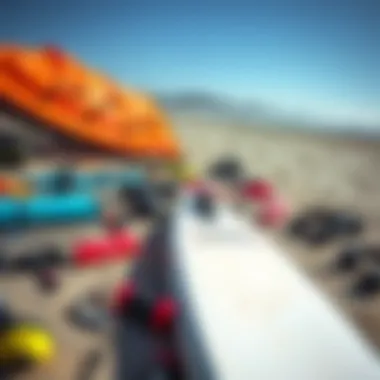

- Size: Kites come in various sizes, typically measured in square meters. A larger kite catches more wind, making it suitable for lighter winds and bigger riders. Conversely, smaller kites are better for stronger winds and lighter surfers.
- Type: Kites are mainly classified into two types: inflatable kites and bow kites. Inflatable kites provide better stability and are easier to relaunch after a crash, while bow kites offer a more versatile performance.
- Skill Level: Newer kite surfers are often advised to start with a more forgiving model. This provides a gentler learning curve, allowing beginners to develop their skills without the kite becoming a hinderance.
Understanding these factors can narrow down options and help riders select a kite suited to their unique style and local conditions.
Understanding Board Options
The board is your platform on the water, and choosing the right one affects your balance and control. Here's what to consider:
- Type of Board: Kiteboards can vary, including twin tips and directional boards. Twin tips are versatile and user-friendly, suitable for beginners, while directional boards are designed specifically for wave riding and advanced maneuvers.
- Volume and Shape: This influences the board’s buoyancy. Boards with greater volume are typically easier to ride, especially in choppy water. Shapes can affect carving and popping for jumps, requiring you to select based on your progression and style.
- Bindings: Most boards come with bindings that hold your feet securely. Finding the right fit is important. Bindings should allow for quick release in an emergency while providing enough support during powerful maneuvers.
These elements come together to tailor the riding experience, enabling surfers to find their rhythm on the waves.
Safety Equipment Requirements
Safety should never take a back seat in kite surfing. Essential safety equipment includes:
- Impact Vest: This adds buoyancy, helping to keep you afloat and protecting your torso from impacts with the water or your equipment.
- Helmet: Wearing a helmet significantly reduces the risk of head injuries, especially in crowded spots where collisions can occur.
- Harness: Your harness connects you to the kite's power. It should be comfortable and fit snugly, allowing for effective control without overly restricting movement.
- Safety Leash: Attach your kite's safety leash to your harness for added security. In the event of a kite malfunction or a crash, the leash ensures that the kite remains connected.
"Safety first, fun second! No gear is too much gear when you are out on the water."
In the exhilarating world of kite surfing, investing in the right gear translates to both enhanced performance and a safer experience. In San Francisco's diverse conditions, having the proper equipment tailored to your needs can elevate your kite surfing journey from basic to exhilarating.
Safety Protocols in Kite Surfing
When engaging in kite surfing, safety protocols emerge as the bedrock of a rewarding experience. This sport, while thrilling, entails certain risks. Therefore, understanding and implementing safety protocols is not just advisable; it’s critical. These measures not only protect individual surfers but also ensure the wellbeing of others sharing the same waters.
General Safety Guidelines
Establishing a foundation of general safety guidelines can help best manage risks while out on the water.
- Know Your Environment: San Francisco allows kite surfing in diverse conditions. Understanding your launch and landing zones is paramount. Familiarizing yourself with local wind patterns and tidal flows can make a difference between a smooth ride and a rough day.
- Check Gear Before Use: Always conduct a thorough inspection of your kite, lines, and board. Look for wear and tear, and ensure everything is functioning properly. A quick check can prevent accidents that stem from equipment failure.
- Wear the Right Gear: Always don appropriate personal flotation devices (PFDs) and consider a helmet for additional protection when conditions are challenging. The Pacific waters can be unforgiving; being prepared is your best defense against unforeseen circumstances.
- Use Common Signals: Establish communication signals with fellow kite surfers. Being able to signal for help or determine someone’s intention can avert misunderstandings and mishaps.
- Stay Sober: Alcohol and kite surfing do not mix well. Maintain clear judgment, as even a small lapse in focus can lead to serious injury.
These guidelines serve not only as best practices but as daily reminders to prioritize your safety and the safety of fellow surfers.
Emergency Procedures
Even with the best preparations, emergencies can occur. Being well-versed in emergency procedures can significantly enhance your response to critical situations.
- Know How to Self-Rescue: One of the most critical skills is self-rescue. Learn how to detach your kite from the lines and manage it appropriately if you find yourself in a struggle. Knowing how to control your sail when you’re in difficulty can prevent worse scenarios.
- Help Others When Necessary: If you see someone in trouble, be prepared to help. Maintain a calm demeanor to assess the situation quickly. Knowing when to intervene and when to call for additional support can save lives.
- Report Incidents: In case of accidents, it's vital to report them to local authorities or schools. This aids in understanding recurring issues and prevents future occurrences.
- Keep Emergency Contact Numbers Handy: Always have contact information for local emergency services ready. In the chaos of a situation, having these numbers on hand is a must.
Proper training and knowledge can turn a panic situation into a manageable one, increasing both your confidence and your safety.
By adhering to these safety protocols and procedures, kite surfers in San Francisco can maximize their enjoyment of the sport while minimizing risks.
Environmental Considerations for Kiteboarding
When engaging in kite surfing, a sport that intertwines exhilaration with nature, understanding environmental considerations becomes paramount for both enthusiasts and the community as a whole. Kiteboarding not only offers thrills but also poses certain responsibilities—especially in a diverse ecosystem like San Francisco. Being aware of the environment gives kite surfers a chance to appreciate their surroundings while ensuring that their fun doesn’t come at a cost to local wildlife or shoreline health.
Understanding Local Ecosystems
San Francisco is blessed with stunning natural vistas, from the Golden Gate Park to its expansive beaches. However, these areas host delicate ecosystems that can be negatively impacted by recreational activities.
- Flora and Fauna: The ecosystems abound with unique plants and animals, some of which may be threatened. The sand dunes, tidal wetlands, and coastal areas are nesting grounds for various bird species, including the endangered Western Snowy Plover. When kiteboarding, it’s crucial to stay clear of these habitats to avoid disrupting nesting patterns.
- Water Quality: Local marine life depends on clean waters. Riding around sewage outfalls or areas close to industrial activities can detrimentally affect water quality and health of marine species like fish and seals.
Understanding these factors ensures that kiteboarders navigate the waters while preserving the natural integrity of the area. This not only safeguards the environment but also helps sustain kite surfing for future generations.
Responsible Kiteboarding Practices
To balance the enjoyment of kiteboarding with environmental stewardship, kite surfers must adopt responsible practices, which can enhance their respect for nature while prolonging the vitality of San Francisco’s rich ecological tapestry.
- Stay Within Designated Areas: Many beaches have zones meant specifically for kiteboarding. Sticking to these regions helps minimize disturbance to wildlife and also ensures safety among other beachgoers.
- Avoid Peak Nesting Seasons: When local wildlife is most vulnerable, such as during nesting season, it’s best to refrain from kiteboarding in specific areas. Check local advisories to know when to keep a respectful distance.
- Dispose of Waste Properly: Any waste generated during a kite surfing outing should be taken back with you. Leaving behind trash not only harms the aesthetic beauty of the coastline but can also harm local fauna.
- Educate Yourself and Others: Share your knowledge about environmental impacts with fellow kite surfers. Promote awareness and encourage others to embrace sustainable practices, creating a ripple effect throughout the community.
"Every time you ride the waves, remember that you are a guest in nature's playground. Treat it with the respect it deserves."
Maximizing Your Kite Surfing Lessons
Getting the most out of your kite surfing lessons is vital for your growth as a rider and your overall enjoyment of the sport. Every bit of time spent on the water should contribute to developing skills and boosting your confidence. By preparing adequately and applying what you learn, you'll find yourself catching more winds and riding waves with more finesse.
Preparatory Steps Before Taking Lessons


Before you even step foot on the board, taking a few preparatory steps can set the stage for successful lessons. Here’s what you might consider:
- Research Your Schools: Familiarize yourself with different kite surfing schools in San Francisco. Look for reviews and testimonials from past students to find instructors who fit your learning style.
- Gear Familiarity: Even before the first lesson, getting to know kite surfing gear can help. Visit local shops like iKiteSurf or Kiteboarding.com and understand the basic components. Knowing the roles of the kite, the harness, and the board makes the initial lesson less intimidating.
- Physical Conditioning: Kite surfing demands a mix of strength and endurance. Engaging in some pre-lesson strength and flexibility training can prime your body for the physical demands of the sport. Think about exercises that enhance your core stability and leg strength.
- Set Clear Goals: Consider what you want to achieve during your lessons. Whether aiming for safeness particularly going upwind or learning to jump, having a clear goal helps instructors tailor the lesson to meet your specific needs.
"Preparation is the secret to success."
Post-Lesson Tips for Progressing Skills
Once your lessons are wrapped up, the journey doesn’t end. In fact, it’s just the beginning of your adventure in kite boarding. Here are effective strategies to keep progressing:
- Practice Regularly: If possible, try to practice as often as you can after lessons. The water at locations like Crissy Field and Ocean Beach offers a fantastic opportunity to hone skills in various conditions, which will build resilience and skill.
- Self-Analysis: After each session, take a moment to reflect on what went well and what could use improvement. Keeping a simple journal can help clear your mind and catalog your progress.
- Join a Local Group: Being part of a kite surfing community, such as those found on Reddit or local Facebook groups, provides not only support but also companionship. This can make practice sessions more enjoyable and less daunting.
- Stay Current with Techniques: Kite surfing techniques are always evolving. Websites like Kiteboarding Magazine or instructional videos on platforms like YouTube can serve as valuable resources to learn new tricks or revise the ones you’ve practiced.
- Keep Up Your Fitness: Stay active, but don’t just rely on the sport alone. Additional physical activities such as swimming or yoga can complement your kite surfing practice, aiding balance and strength.
Connecting with the Kite Surfing Community
Engaging with the kite surfing community can enrich your experience significantly, whether you're a newbie or a seasoned rider. Beyond personal skill development, being part of this vibrant community connects you with like-minded individuals sharing a passion for the wind and water. Whether it's through local events or online discussions, your involvement in this network can lead to invaluable insights, motivation, and friendships that last a lifetime.
Local Events and Competitions
San Francisco hosts a myriad of events tailored for kite surfing enthusiasts, offering a powerful platform for both competition and camaraderie. These gatherings not only test your skills but also allow you to engage with locals who share your fervor.
- Kiteboarding Competitions: Events such as the annual San Francisco Kiteboarding Festival draw participants and spectators alike, featuring thrilling displays of prowess. Here, kiteboarders from various backgrounds showcase their talents, and onlookers can catch a glimpse of cutting-edge moves and techniques that elevate the sport.
- Workshops and Demonstrations: Many local kite schools organize workshops which can be incredibly beneficial. Attending these can help you connect with instructors and fellow riders. Besides learning a trick or two, you could make lasting connections.
- Meetups and Socials: Participating in social events organized by local kiteboarding clubs offers a laid-back atmosphere to meet other kite surfers. It's here you can swap stories, gear tips, and even find a homework buddy for practice days at the beach.
Online Resources and Forums
The virtual realm is equally important for kite surfers looking to learn, share, and connect. Numerous online forums and social media platforms cater specifically to the kiteboarders' community. Here are some ways to make the most of these resources:
- Reddit: Subreddits like r/kitesurfing are a treasure trove of information. You can find advice on gear, ask questions, or even discuss the latest trends in the sport. It's a great place to glean knowledge from seasoned kite surfers who are keen to share their wisdom.
- Dedicated Forums: Websites such as kiteforum.com serve as discussion hubs where experienced kiteboarders share tips, local conditions, and even specific spots. Engaging in these forums can help you familiarize yourself with the kite surfing landscape before you hit the local beaches.
- Social Media Groups: Facebook and Instagram are where you'll find numerous groups dedicated to kite surfing in San Francisco. These platforms can keep you in the loop on upcoming events, gear swaps, and local news.
"Getting involved in the kite surfing community isn’t just about the sport; it’s about building a network that can lift your skills and your spirit."
In all, immersing yourself within these communities – both online and offline – can enhance your kite surfing journey. It's the connections made and knowledge shared that often serve as the wind beneath your wings, pushing you forward into new heights of this exhilarating sport.
Future of Kite Surfing in San Francisco
The kite surfing horizon in San Francisco holds a wealth of promise and potential. While today’s enthusiasts are mastering the waves, tomorrow’s kiteboarders will benefit from innovations and emerging trends that are set to transform the sport. Not only does this dynamic environment inspire local kiteboarders to push boundaries, it also invites newcomers to join the exhilarating community. In this section, we will explore some emerging trends in kiteboarding and predict the future growth of this thrilling sport.
Emerging Trends in Kiteboarding
Kiteboarding is constantly evolving, with new trends surfacing regularly that reshape how participants engage with the sport. Here’s a closer look at some noteworthy trends:
- Technological Advancements: Manufacturers are getting creative with kite designs. Brands are using advanced materials to enhance performance and safety. For example, lighter materials can increase control. Recently, advances in GPS tracking and digital apps have emerged, allowing kiteboarders to analyze their performance in detail.
- Increased Accessibility: More schools are providing lessons aimed at diverse skill levels and demographics. Inclusive events are attracting women and younger participants. This trend ensures that kiteboarding continues to diversify its community, making it more vibrant and engaging than ever.
- Sustainable Practices: Eco-conscious kiteboarding holds increasing relevance. Shops and schools promoting environmentally friendly products, like biodegradable kites or responsibly sourced boards, are becoming more common. Many organizations are organizing beach clean-ups, showing that the kite community is determined to preserve its treasured environments.
- Rise of Foil Kiteboarding: Foil kites are taking the spotlight. These allow riders to glide above the surface, providing an exhilarating experience that differs significantly from traditional kiteboarding. As accessibility to foiling tech improves, more enthusiasts will surely try it.
Predicted Growth of the Sport
Looking ahead, kite surfing in San Francisco is poised for remarkable growth. Several factors are contributing to this forward momentum:
- Increasing Participation: The thrill of kiteboarding and its relative ease of entry attract a growing audience. Even casual beachgoers are drawn in by captivating stunts and vibrant community gatherings.
- Tourism Boost: San Francisco’s reputation as a tourist hotspot plays a critical role. Tourists flock to the Bay not just for sightseeing, but to take part in the local kite surfing scene. Kiteboarding schools are benefiting from the influx of new learners seeking adventures during their visits.
- Investment in Infrastructure: Local governments are recognizing the value of water sports in stimulating the economy. Increased funding for facilities and resources will ensure that both learners and participants have access to safer environments. Infrastructure improvements will likely include better launch areas and more toroughly trained instructors.
- Community Engagement Activities: As kiteboarding events gain traction, participation in competitions and festivals can be expected to grow, enhancing community bonds. More gatherings that combine socializing with kiteboarding will fuel interest. Events like the San Francisco Kiteboarding Festival have been showing potential to inspire even more involvement.
The kite surfing scene in San Francisco stands on the precipice of change. With innovations around the corner, it will redefine how the sport is experienced by future kiteboarders.
The future of kite surfing in San Francisco is not just promising; it's an exciting chapter waiting to unfold. As kite surfing schools evolve and the community grows, the sport is set to flourish, welcoming many new enthusiasts and retaining its loyal core. Engaging with these changes ensures that kiteboarding remains fresh and relevant, offering both thrills and a love for the ocean.
Culmination: The Path Ahead for Aspiring Kiteboarders
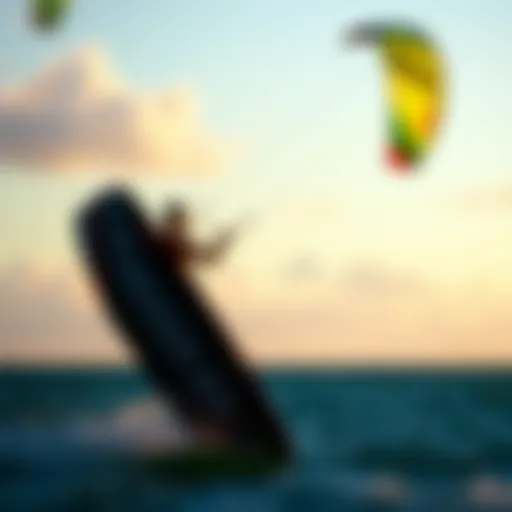
As the sun sets over the Pacific, painting the San Francisco skyline in hues of orange and pink, the journey of an aspiring kiteboarder is just beginning. This vibrant sport, rich with adrenaline and serenity, offers extensive opportunities for personal growth and exploration. By engaging in kite surfing lessons, individuals not only learn how to navigate the winds and waters but also gain an appreciation for the delicate balance between nature and human efforts.
Reflecting on one’s learning experience is pivotal. It allows those new to the sport to assess their skills, understand their challenges, and rejoice in their victories—no matter how small they may seem. For many, the initial hurdles can be daunting, but with a mindful approach, each setback can be a step forward. Trying to recall those moments at the start, one often remembers the first ride that made them feel like they were flying, or perhaps the time they finally managed to get on the board without the kite dragging them into the waves. Every maneuver learned and mistake made forms a tapestry of personal achievement, beckoning the individual to embrace growth.
Reflecting on Learning Experiences
Learning to kite surf is akin to carving one’s path through an ever-changing landscape. Each lesson is filled with revelations. The instructors offer insights not just about the technical aspects but also tactics about managing fears and overcoming obstacles. After lessons, taking a moment to jot down thoughts or feelings can be quite helpful. A simple diary entry might serve to reinforce what worked well and what might need more attention.
"The greatest glory in living lies not in never falling, but in rising every time we fall."
– Nelson Mandela.
In the case of kite surfing, one may find encouragement in these words as they navigate learning curves. Setting incremental goals can transform the experience into a series of achievements, handing out motivation one ride at a time.
Encouragement for Continued Exploration
As you step away from your lessons, keep the spirit of curiosity alive. The ocean is vast, and the skies are inviting, offering infinite possibilities. Attending local competitions can bolster your skills and keep you inspired. Joining community events acts not only as a platform to meet fellow enthusiasts but also as a chance to share wisdom and learn from seasoned kiteboarders.
Consider diversifying your experience with different styles of kiteboarding—freestyle, wave riding, or even speed sailing. Each discipline adds layers to your proficiency and understanding of the sport. As in-life adventures, the more you explore, the richer your experiences become.
Stay informed about changing conditions and local regulations, and keep the connection with the community robust. Online forums like those on Reddit or dedicated kiteboarding groups on Facebook can provide tips and support, making one feel empowered.
In short, the future holds treasures of experiences for all who dare to engage with kite surfing. The winds are calling, and every gust is an invitation to ride. Embrace your journey, reflect often, and never shy away from exploring the endless horizons.