Dynamics of Hydrofoil Sail Boards: A Deep Dive
Intro
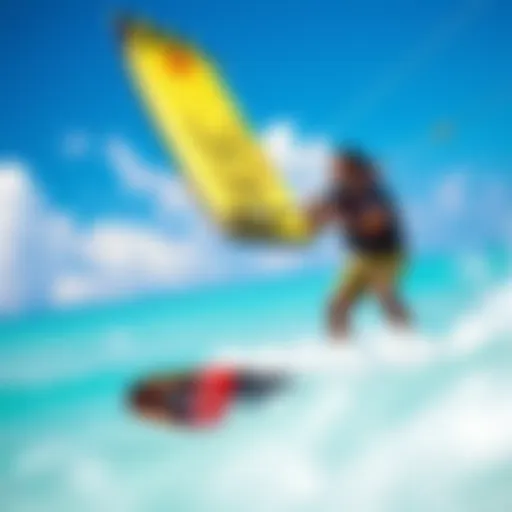
In recent years, hydrofoil sail boards have sparked a transformation in the realm of water sports. These boards, engineered to lift above the water's surface, offer a unique riding experience that traditional boards simply can't match. They glide effortlessly over the waves, reducing drag and allowing for impressive speeds. Understanding the nuances of this technology brings a fresh perspective to kiteboarding, promising enthusiasts a thrilling ride.
As the sport evolves, knowing how to select the right gear becomes essential for both novice and seasoned riders. The performance of a hydrofoil sail board is not solely influenced by its construction, but also by the kites and boards chosen. Together, they form an intricate system that can elevate the experience of riding to new heights.
This segment will outline critical gear selection elements, focusing on types of kites and board choices. Following that, we will delve into skill development—highlighting essential techniques and progression tips useful for riders looking to enhance their abilities. Each element intertwines to deliver a holistic view of hydrofoil sailing, making it easier for participants to navigate the surf and enjoy the ride.
Prologue to Hydrofoil Sail Boards
The rise of hydrofoil sail boards marks a significant shift in the landscape of water sports, particularly among kiteboarders and ocean enthusiasts. These innovative devices, which elevate above the water’s surface, offer a ride that is nothing short of thrilling. The importance of hydrofoil sail boards not only lies in their ability to enhance performance and speed but also in their potential to transform the way riders experience the water.
Understanding what sets hydrofoil sail boards apart from traditional boards requires an appreciation of their mechanics and benefits. For instance, riding on a hydrofoil reduces drag, allowing for faster speeds and a smoother ride even in choppy conditions. This makes hydrofoiling increasingly appealing to riders seeking both leisure and competitive opportunities.
In this section, we will detail what constitutes a hydrofoil sail board, dissect its evolution from conventional boards, and highlight its relevance in today’s water sports scene. These insights will cater not just to riders looking to enhance their skills but also to instructors, event organizers, and anyone curious about the technological advancements in this vibrant community.
What Is a Hydrofoil Sail Board?
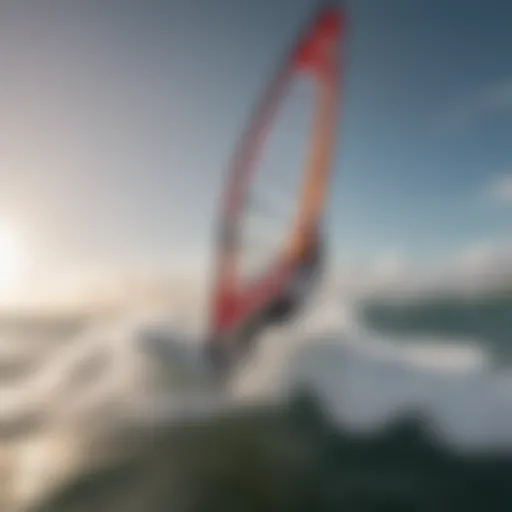
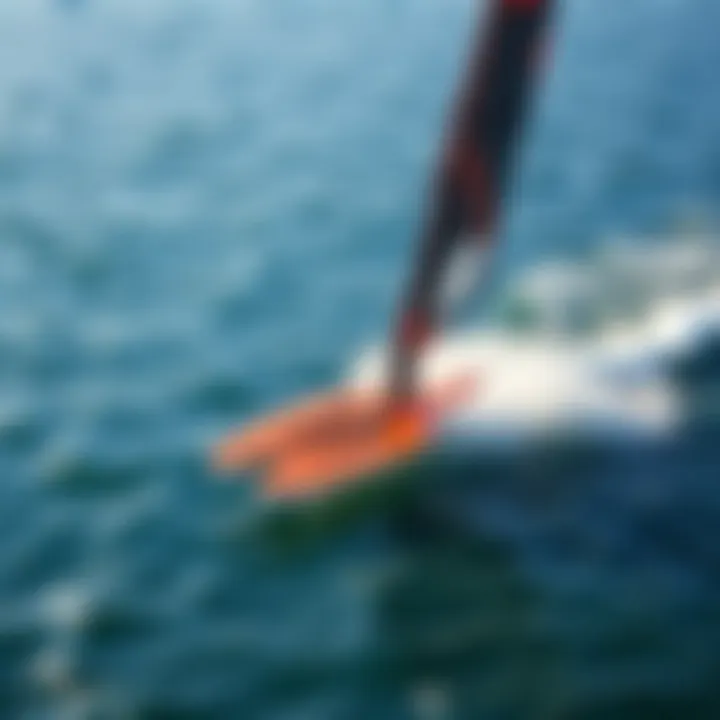
A hydrofoil sail board is essentially a surfboard equipped with a long, submerged wing that lifts the board above the water surface once it gains sufficient speed. The mechanism behind this lift is rooted in aerodynamics and hydrodynamics, allowing riders to glide over the surface, thereby experiencing minimal resistance. The sensation is often likened to flying, as the board detaches from the water, offering a sense of weightlessness and freedom.
Riders position themselves atop the board, using wind power captured by a sail to propel forward. Unlike conventional boards that rely heavily on the wind and movement against the water, hydrofoils exploit lift to achieve higher speeds and efficiency during tricks and maneuvers.
The key elements that define hydrofoil sail boards include:
- Hydrofoil: The underwater wing that creates lift.
- Board shape and material: Designed for stability and responsiveness against varying water conditions.
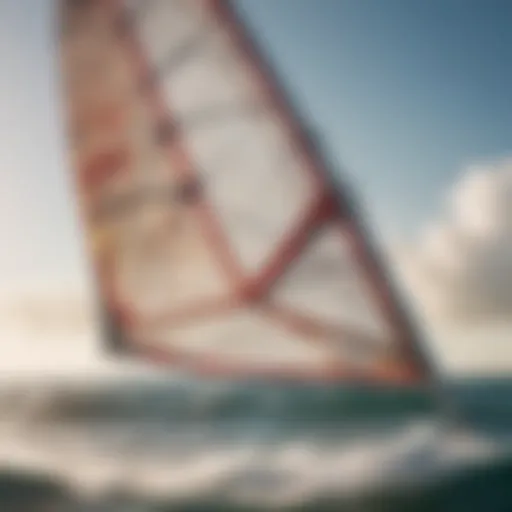
- Sail configuration: Tailored to harness wind effectively while maintaining control.
The Evolution of Sail Boards
The journey from traditional sail boards to hydrofoil technology presents a fascinating evolution of design and mechanics. Traditional sail boards, often constructed from fiberglass or wood, rely on surface area and buoyancy to dominate waves and winds. While they can be enjoyable and fulfilling, they also come with certain limitations, particularly in terms of speed and performance in challenging conditions.
Over the decades, advancements in materials and technology have paved the way for hydrofoiling – a revolution fueled by passionate innovators in the water sports community. The introduction of lighter materials such as carbon fiber has transformed board construction, making hydrofoils more accessible and versatile for riders at all levels.
With an increase in design experimentation, numerous companies have entered the market, each contributing to the overall growth of hydrofoil technology. As riders seek more exhilarating experiences, manufacturers are responding with boards that cater to various styles and conditions – all aimed at enhancing the overall sport.
Mechanics of Hydrofoiling
The mechanics of hydrofoiling are vital to understanding how these innovative watercraft operate. Hydrofoil sail boards have transformed the way riders engage with water sports, allowing them to skim above the waves rather than skate across them. This technology not only enhances performance but also reshapes the entire experience of riding. By delving into the working principles, one can appreciate the interplay of physics that makes hydrofoiling both thrilling and efficient.
How Hydrofoils Work
Hydrofoils function on a simple yet elegant principle: when a board equipped with fins—known as foils—accelerates through water, the shape of these foils generates lift. Much like an airplane wing, the hydrofoils create a pressure differential that elevates the board above the water's surface. This reduces the drag dramatically, allowing for smoother and faster glides.
- Aqua-dynamics: As water flows over the foil, it travels faster above the wing than below it, creating low pressure above and higher pressure below. This is key to generating lift.
- Angle of Attack: The angle at which the foil enters the water significantly affects performance. A slightly upward angle optimizes lift, but too much can cause the board to lose control, skimming precariously above the surface.
- Speed Depending: The rider's speed is crucial for optimal lift; too slow and the board won't rise, too fast, and stability could be compromised.
"Understanding how hydrofoils work can revolutionize your approach to riding. It’s not just about going fast; it’s about mastering the elements."
Lift, Drag, and Thrust
Understanding the interplay between lift, drag, and thrust is essential for anyone looking to excel with hydrofoil sail boards. These concepts fundamentally shape the performance and experience of riding.
- Lift: As mentioned, lift is the force that raises the board above the water's surface. This is the ultimate goal for any rider, as it reduces the energy expenditure needed to travel.
- Drag: While lift is desired, drag resists motion and can hinder speed. Hydrofoils are designed to minimize drag, but it will always be a factor. Several aspects, like the shape of the foil and the rider's posture, directly influence drag.
- Thrust: This refers to the forward force generated to propel the board through the water. The rider's sailing technique plays a crucial role here; correctly using the sail and managing body weight can significantly affect thrust production.
To strike the right balance among these forces, riders must practice and refine their skills on hydrofoil boards. Here’s what to consider:
- Positioning: Align your body to maintain balance while optimizing lift. Leaning too far back can increase drag, while leaning too far forward can mean losing lift.
- Sail Handling: The sail must be adjusted according to wind conditions to maintain speed and thrust. A more efficient sail position = effective thrust and reduced drag.
- Foil Adjustments: Experimentation with different foil shapes can help balance lift and drag, allowing riders to enhance their overall performance.
Design Aspects of Hydrofoil Sail Boards
When it comes to hydrofoil sail boards, design is more than just aesthetics; it's a key driver of performance and experience on the water. Each component, from the material selection to the shape of the board, plays a significant role in how a rider interacts with the elements. Understanding these design aspects not only enhances the rider’s capabilities but also pushes the boundaries of innovation within the sport itself.
Material Selection
Choosing the right materials for hydrofoil sail boards is akin to selecting the finest ingredients for a gourmet meal. The choice impacts the board’s weight, durability, and overall performance. Lightweight yet strong materials such as carbon fiber and epoxy resin are often utilized to maximize the board's agility while maintaining structural integrity.
On the flip side, using low-quality materials can lead to a sloppy ride and even safety hazards. It’s essential to evaluate the composition and properties of materials. Here are a few considerations:
- Weight: A lighter board aids in quicker take-offs and smoother flights.
- Durability: Materials must withstand harsh conditions and potential impacts without warping or breaking.
- Flexibility: Some constructions allow for a degree of flex which can enhance the ride quality, absorbing shocks from waves.
Ultimately, the combination of these factors determines how well the board performs across different water conditions. As a rider, assessing material quality can be the difference between an exhilarating ride and a frustrating one.
Hydrofoil Configuration
The hydrofoil configuration, which generally includes the size and placement of the wings, affects how effectively a board generates lift. The foil consists of a wing-like structure submerged in water, where the design is crucial. For instance, a larger surface area typically results in greater lift, but it might sacrifice speed. Conversely, smaller foils can lead to rapid speeds but may require more skill to control.
Here are a few considerations:
- Wing Shape: Different shapes can influence lift and drag. A higher aspect ratio wing offers more speed at the expense of low-speed stability.
- Wing Placement: More forward placement of the foil can provide earlier lift-off, while a rear placement creates better stability during flight.
- Stabilizers: These small fins contribute to control and balance, making it easier for riders to undertake maneuvers.
Fine-tuning the hydrofoil configuration can drastically transform a rider's experience, allowing for more aggressive speeds and exciting stunts.
Board Shape and Dimensions
The shape and dimensions of the board itself also play an indispensable role in performance. Shape, width, and thickness affect how the board functions both while hydrofoiling and when it's in the water.
For example, a wider board provides added stability, which is particularly useful for beginners who are still getting their bearings. In contrast, narrower boards are often favored by advanced riders who are focused on speed and cutting through the water. Here’s a breakdown of important design elements:
- Dimensions: Longer boards generally offer better tracking in the water, while shorter boards allow for quicker turns and agility.
- Rockers: The curve along the length of the board can influence speed and lift. A board with more rocker will smooth out rides in messy conditions.
- Tail Shape: Different tail designs let riders tailor their performance style, be it jumping high or edging hard during turns.
In summary, the design aspects of hydrofoil sail boards must be chosen thoughtfully to ensure they meet the needs of the rider’s skill level, preferred style, and the specific conditions they plan to tackle. The right combinations can elevate the hydrofoiling experience significantly.
Performance Characteristics
Hydrofoil sail boards are a fascinating blend of engineering and artistry, and understanding their performance characteristics is essential for any rider or enthusiast. These boards redefine how speed and agility are perceived in water sports, making them a pivotal component in the advancement of kiteboarding. Riders, whether beginners or seasoned athletes, find that grasping these characteristics can greatly heighten their performance and enjoyment on the water.
Speed and Agility
When it comes to speed on a hydrofoil sail board, the results can be nothing short of exhilarating. A hydrofoil's unique design allows it to lift above the water's surface, reducing drag significantly. This lift occurs thanks to the hydrofoil itself, which creates upward force when moving through the water. The ability to skim across the water at remarkable speeds—sometimes exceeding 30 knots—opens up a world of possibilities for riders.
Moreover, the agility afforded by hydrofoil boards is equally impressive. The reduced resistance means that riders can make quick turns and dodges with minimal effort. This agility comes from the combination of a streamlined design and the buoyancy provided by the foil. Riders can carve through waves and adjust swiftly to changing conditions, making each ride a unique experience.
"The sheer freedom you feel when you’re cruising at speed, gliding over the surface, is something that traditional boards just can’t replicate."
Key Factors Influencing Speed and Agility
- Construction Materials: Lightweight materials like carbon fiber lend to speed and responsiveness.
- Hydrofoil Design: Wing shapes can affect lift and speed. For instance, a larger wing might provide greater lift but could limit top speed.
- Rider Technique: The rider's ability to shift their weight plays a crucial role in optimizing maneuvers.
These factors contribute to an endless quest for the perfect setup, pushing the boundaries of performance and enjoyment. Riders often spend time fine-tuning their boards to achieve ideal conditions for personal performance metrics, further enriching the experience.
Stability and Control
Stability and control are perhaps the most complex yet critical aspects of hydrofoil sailing. At high speeds, maintaining a delicate balance can feel like walking a tightrope. The hydrofoil's elevation above the water can create a sensation of floating, which might initially feel unsettling. However, once a rider identifies their center of gravity and learns to control their movements, it opens the door for increasingly dynamic riding conditions.
Importance of Stability on Hydrofoil Boards
- Enhanced Safety: With improved stability, the risk of falls decreases, promoting a more enjoyable experience.
- Consistent Performance: A stable ride means that riders can trust their gear, boosting confidence in their abilities.
- Adaptability to Conditions: Hydrofoils provide better handling in choppy waters. This adaptability is essential for riders who face varied conditions.
To master control on a hydrofoil, riders often practice techniques such as adjusting their weight distribution and learning the subtle nuances of foot placement. Success in these areas can transform a rider from a novice into a skilled professional.
Hydrofoiling in Various Conditions
Hydrofoiling, a technique that has taken the sailing world by storm, is not one-size-fits-all. The conditions in which a rider finds themselves can significantly affect the performance and experience of using a hydrofoil sail board. Whether it’s a gentle breeze or tumultuous waves, understanding how hydrofoils react to different environmental factors is crucial. This section will unravel how various wind conditions influence hydrofoiling, ensuring riders can optimize their sessions accordingly.
Light Wind Conditions
When it comes to light wind conditions, many might think it’s a no-go for hydrofoiling, but that’s not entirely true. In fact, these softer winds can open up a whole new playground for the seasoned rider. Hydrofoils are designed to lift, meaning they can effortlessly glide above the water even when the breeze is barely whispering.
Utilizing techniques such as pump and glide is essential here. Riders can develop a rhythm, subtly shifting their weight and employing the sail effectively to catch any morsel of wind.
Key Considerations for Light Winds Include:
- Board Size: Opt for a larger board. Bigger surface areas help to catch light winds better, allowing the hydrofoil to lift sooner.
- Foil Design: Choose a foil with a larger wing span to maximize lift. It’s like having a bigger paddle in a gentle stream.
- Technique: Focus on building your ability to pump. This is less about brute force and more about finesse, timing, and the feel of the board beneath you.
Riders can enjoy incredibly smooth sessions when conditions are calm. However, it's crucial to stay aware of potential lulls and shifts in wind strength, as even a tiny gust can affect your balance.
"Understanding the nuances of light wind hydrofoiling can transform an average day on the water into a memorable experience."
High Wind and Wave Scenarios
Diving into hydrofoiling during high winds and waves is a whole different ballgame. While some riders shy away from these turbulent waters, the adrenaline junkies find them irresistible. In stronger winds, hydrofoils can achieve astonishing speeds, allowing riders to slice through waves like a knife through butter.
Still, not all foils are created equal for these conditions.
Here are considerations to keep in mind:
- Foil Fin Shape: A narrower and more tapered wing design allows for better handling in choppy waters. This is crucial since the higher you go, the more control you want to maintain.
- Sail Size: Adjusting to a smaller sail can help manage oversized forces from the wind and waves. It prevents overpowering the hydrofoil, allowing for a smoother ride without excessive lift.
- Rider Position: Staying low and centered is paramount. When the wind picks up, that downward pressure counterbalances gusts and wave action, keeping you seated firmly above the water.
In windy conditions, keeping your focus on the waves is essential, as they can shift quickly. They can either cradle the board or toss you off balance, depending on how well you gauge the highs and lows of the surf.
Each condition comes with its own set of thrills and challenges. Equip yourself with the right knowledge, gear, and technique, and these different hydrofoiling environments can be harnessed to deliver exhilarating rides.
Overall, riders from all backgrounds can encounter varying conditions. Understanding the dynamics of hydrofoiling in light winds and fierce gusts prepares you for a seamless integration of performance and safety on the water.
Techniques for Riders
Riding a hydrofoil sail board requires a different approach than traditional boards. As riders navigate the waters with these unique designs, they need to adopt specialized techniques that not only enhance performance but also ensure safety. Knowing how to handle these vessels can significantly impact the overall experience, turning a potentially intimidating challenge into an exhilarating adventure.
Getting Started
When stepping onto a hydrofoil for the first time, the learning curve can be steep. Posture and balance are crucial elements that newcomers must master. Unlike typical boards, hydrofoils lift above the water surface, thus altering how riders perceive stability. Beginners should practice in calm water, making it easier to focus on body positioning. Here are some practical tips for those starting out:
- Body Positioning: Keep your shoulders back and your weight centered. This positioning helps maintain balance and control.
- Foot Placement: Start with feet shoulder-width apart, allowing room for shifting weight. Those who find their footing should experiment with minor adjustments as they gain confidence.
- Start Small: Begin by practicing slow starts. Gradually increase your speed as you get comfortable.
- Use of the Sails: Learning how to manage the sails regarding wind direction helps propel the board. Riders should familiarize themselves with nuances in wind behavior despite any initial awkwardness.
It's important for riders to remember that everyone learns at their own pace. Starting with fundamental skills builds a strong foundation for improving maneuvers in the future. Developing comfort with these basics leads to greater enjoyment.
Advanced Maneuvers
Once riders develop their initial skills, the journey doesn't stop there. Advancing further entails a whole new set of techniques that can elevate one's performance. Here, enthusiasts often gravitate towards experimenting with tricks and high-speed maneuvers. For those ready to take the plunge into more complicated actions, consider:
- Jumps: Learning how to take off with the foil requires timing the right moment against the wind and water dynamics. Begin with small hops before attempting higher jumps.
- Tacks and Jibes: These essential maneuvers allow riders to alter direction smoothly without losing speed. Practicing them thoroughly develops reflexes, enabling riders to seamlessly flow through various directions.
- Carving: This technique involves shifting weight from heel to toe while turning. Properly executed, carving not only enhances the rider's speed but also provides an elegant appearance on the water.
- 360 Rotations: Once familiar with turning and balance, introducing spins can be exhilarating. It is crucial to initiate slowly, ensuring coordination of both sails and body movements.
"Mastering advanced maneuvers is akin to learning a new language—each trick has its own accent, and understanding them opens new realms".
As riders gain more confidence, a world of possibilities unfolds. It is vital, however, to approach each trick with patience and mindfulness. This engaging blend of technique and thrill results in a rewarding journey.
For further insights and community discussions related to hydrofoiling techniques, feel free to visit resources like Reddit or Facebook Groups.
Keep in mind the significance of honing these techniques; safety and enjoyment hinge on them. Whether you are a novice or a seasoned rider, being well-prepared makes all the difference between just catching a wave and soaring above it.
Safety Considerations
Safety is paramount when engaging in any water sport, and hydrofoiling is no exception. The dynamics of hydrofoil sail boards can result in thrilling experiences, yet they can also pose risks if proper safety measures are not observed. Fostering a culture of safety within the hydrofoiling community not only ensures the well-being of participants but also enhances the sport's reputation. Key aspects of safety considerations include using appropriate gear and maintaining environmental consciousness. These factors contribute to a more enjoyable and responsible experience on the water.
Recommended Safety Gear

Equipping oneself with the right safety gear can be lifesaving in the event of an accident. It’s essential for anyone venturing into hydrofoiling to be well-prepared. Here are some critical pieces of safety equipment:
- Helmet: A must-have for protecting the head from impacts while navigating the water.
- Impact Vest: Provides buoyancy and protection, helping absorb shocks from falls.
- Wetsuit or Drysuit: Depending on water temperatures, these suits help maintain body warmth and protect the skin against abrasions and jellyfish stings.
- Leash: Ensures that the board remains close in case of a fall, preventing injuries that can occur if the rider and board separate.
- Personal Flotation Device (PFD): Compliance with local regulations may require this, and it acts as an additional safety measure to keep the rider afloat.
Familiarizing yourself with these pieces of gear is fundamental for a fun and secure experience on the water. It is always better to err on the side of caution.
Environmental Awareness
Awareness of environmental factors is crucial for ensuring the safety of both riders and the ecosystems in which they operate. Hydrofoiling affects not just the individual but also the surrounding aquatic environment. Here are some key aspects to consider:
- Respect Wildlife: Keeping a safe distance from marine life, especially during breeding seasons, is essential to avoid disturbing their natural habitats.
- Navigating Local Regulations: Each body of water may have specific rules regarding where hydrofoiling is allowed. Adhering to these regulations protects aquatic ecosystems as well as reduces the risk of accidents.
- Pollution Awareness: Riders should avoid creating unnecessary waste in the water, such as plastic or equipment components. Proper disposal and recycling practices help maintain clean waterways.
In the grand scheme of things, being considerate of the environment enhances the hydrofoiling experience for everyone. Riders are stewards of the waterways and, as such, have a responsibility to ensure that future generations can enjoy the same privileges.
Environmental Impact of Hydrofoiling
Understanding the environmental impact of hydrofoiling is essential in fostering a responsible approach to this exciting water sport. As hydrofoil sail boards gain popularity, there is a critical need to evaluate their effects on the natural surroundings we cherish. This section aims to emphasize how we can enjoy hydrofoiling while minimizing our ecological footprint.
Sustainability of Materials
When it comes to eco-friendliness, the material used in hydrofoil construction carries significant weight. High-performance boards typically employ lightweight composites and recycled components, which help lower the overall energy consumption during manufacturing.
- Carbon Fiber: While it offers superior strength and reduced weight, concerns have arisen regarding its production process, which is energy-intensive. As alternatives, manufacturers are increasingly turning to bio-based resins, providing similar performance benefits without straining resources as much.
- Recycled Plastics: Some brands, like Naish and Duotone, have begun integrating recycled plastics into their products, a move that not only conserves valuable resources but also reduces plastic waste.
Through the adoption of sustainable materials, companies are not just catering to eco-conscious consumers but also helping set a standard for the entire industry.
Impact on Aquatic Ecosystems
Hydrofoiling can be less invasive to aquatic ecosystems when compared to traditional board sports. Riding above the water minimizes disturbances to flora and fauna below. However, it is crucial to acknowledge that human activity still poses various threats to marine life. Here are a few important points to consider in this context:
- Propeller Noise: The sounds generated from hydrofoil equipment can impact marine wildlife. Fish, in particular, use sound for communication and can be disoriented by loud noises.
- Paddlecraft and Wildlife: Observing local wildlife is common in hydrofoiling, but it is vital to keep a respectful distance. Approaching marine animals like seals or dolphins can stress them and disrupt their natural behaviors.
- Water Quality: Hydrofoiling should always take place in clean and well-maintained areas. Contaminants can harm aquatic life, and spreading waste or pollutants further affects the delicate ecosystem.
"Sustainability is not a goal to reach but a way of life to embrace.”
For further information on sustainability efforts in water sports, visit Sustainable Water Sports.
Additionally, stay connected with the latest discussions in online communities like Reddit or follow relevant groups on Facebook.
Comparison to Traditional Sailing
Hydrofoiling represents a paradigm shift in the world of sailing, particularly when pitted against traditional boards. Recognizing the unique benefits and distinct drawbacks of these two approaches is essential for both prospective riders and seasoned enthusiasts alike. Traditional sailboarding, while maintaining a loyal following, is increasingly challenged by the agility and performance offered by hydrofoil technology. Understanding this comparison is pivotal for anyone looking to enhance their experience on the water.
Advantages of Hydrofoils
The advent of hydrofoils has changed the face of sailing by introducing several distinct advantages:
- Increased Speed: Hydrofoil boards can glide above the water's surface, significantly reducing drag. This characteristic enables them to reach speeds that traditional boards find hard to match. Wind conditions no longer dictate the same performance limitations. A hydrofoil can achieve thrilling speeds with relatively light winds, making every outing an adventure.
- Enhanced Maneuverability: Riders experience a newfound level of agility when using hydrofoils. The ability to pivot and change direction with ease can make for a more exhilarating experience. Advanced turns or even tricks become more feasible, encouraging creativity and skill in riding.
- Reduced Water Resistance: One of the standout features of hydrofoils is the way they lift the board above the water. This elimination of water resistance allows for a more fluid ride, minimizing the labor required to push through waves or choppy conditions.
- Versatility Across Conditions: Hydrofoils can perform remarkably well in a range of wind conditions. They open up possibilities for sailing enthusiasts to venture out in scenarios they might shy away from with traditional boards.
Limitations of Conventional Boards
Despite their reputation and historical significance, traditional boards carry their own set of limitations when compared to hydrofoils:
- Speed Constraints: Traditional sailboards often max out at a speed that hydrofoils can easily surpass. The added drag from the water considerably restricts their velocity potential.
- Physical Exertion: Riding a conventional board can be more physically demanding. The way traditional boards operate means that riders often have to paddle or work harder to maintain speed and maneuver.
- Environmental Impact: Conventional boards can be impacted more by changing wave conditions. When faced with bigger waves, the traditional ride can feel cumbersome and might necessitate more adjustments than a hydrofoil requires.
- Learning Curve: While hydrofoiling does introduce its own challenges, traditional boards often necessitate a prolonged period for riders to build up a suitable level of skill. Learning to balance, control, and maneuver can feel like scaling a higher mountain of experience compared to hydrofoils.
"Every rider’s journey is unique. The method of travel might change, but the thrill of discovery remains consistent."
For further reading on traditional sailing techniques, visit Wikipedia. For discussions on hydrofoiling experiences, check out comments on Reddit for community insights.
Future of Hydrofoiling
The future of hydrofoiling stands as a beacon of innovation in the realm of water sports. As enthusiasts and expert practitioners clamoring for a deeper and more exhilarating experience, the hydrofoil sail board consistently proves itself to be a transformative technology. Not only does it significantly alter the fundamentals of sailing, but it also heralds the arrival of new dimensions of performance and exploration on water.
Innovations on the Horizon
In recent years, researchers and designers have taken it upon themselves to further refine the hydrofoiling experience. New materials, such as lightweight carbon composites, are being integrated more than ever into the construction of both boards and foils. This adoption pairs well with the trend of producing equipment that is more durable, providing longevity with decreased weight, leading to enhanced performance. Additionally, advancements in design techniques like computational fluid dynamics are allowing manufacturers to create hydrofoils that generate increased lift with optimal drag. This results in a steeper learning curve for novice riders while simultaneously offering seasoned veterans enhanced speed and agility.
Riders are now seeing developments in modular hydrofoil systems that could change the game altogether. Imagine a scenario where one can swap out parts of the hydrofoil on the beach, allowing customization based on conditions and rider preferences. This flexibility can be a deciding factor for many. Another rising innovation is the electric hydrofoil, which adds propulsion through a battery-operated motor, offering new dimensions in longer rides or in light wind conditions. As these technologies unfold, the excitement surrounding hydrofoiling grows manifold.
Growing Popularity and Trends
The increasing interest and investment in hydrofoiling technology reflect a broader trend within water sports. The accessibility of equipment and the ability to learn relatively quickly has led to a rise in community-based clubs and organized events around hydrofoiling. Social media platforms, particularly Instagram and YouTube, serve as powerful amplification tools. Riders share jaw-dropping clips and tutorials, inviting newcomers into the fold and creating a more vibrant community.
Moreover, local and international events have sprung up like weeds after rain, bringing enthusiasts together and fostering a competitive spirit. More riders are flocking to competitions like the Hydrofoil Pro Tour, indicating that hydrofoiling has joined the ranks of mainstream sports. The combination of this growing popularity with ongoing innovations hints at a bright future. If the trends hold, one may find hydrofoiling evolving into an Olympic sport, further cementing its importance within the global sporting narrative.
This trajectory of growth indicates that hydrofoiling is not merely a passing fad; it's an evolution that will transform the landscape of water sports in the years to come.
As hydrofoiling continues to carve its niche, riding techniques are also progressing, with clubs hosting workshops to refine the skills of newcomers while encouraging seasoned riders to share their expertise. Ultimately, the future looks promising, powered by innovation and a community that is eager to experience every wave, gust, and thrill.
For further insights into upcoming trends and insightful discussions, resources such as Reddit and Wikipedia can provide valuable information. As we look forward into this future, the sky is truly not the limit; it’s just the beginning.
Global Hydrofoiling Events
Global hydrofoiling events play a crucial role in popularizing this relatively new form of water sport. They provide a platform for riders to showcase their skills, for manufacturers to present the latest gear, and for enthusiasts to connect and share their passion. These events are not only about competition; they encompass community building, knowledge sharing, and the promotion of sustainable practices in water sports.
In recent years, hydrofoiling has surged in popularity, with events attracting participants from diverse backgrounds. At these competitions, riders of various skill levels take to the water, demonstrating agility and control that hydrofoil boards uniquely offer. The atmosphere is vibrant, with spectators cheering and passionate discussions about techniques and equipment filling the air.
Major Competitions
Professional Circuit
There are several key competitions that stand out in the hydrofoiling world. One of the most prestigious is the Hydrofoil World Championship, which attracts top talent from around the globe. This competition not only showcases the skills of elite riders but also pushes the boundaries of what's possible on a hydrofoil. Competitors must navigate challenging courses while maintaining speed and balance, highlighting both athleticism and technical prowess.

Local Regattas
Beyond the grand stages, local regattas offer an opportunity for novices to engage in competitive hydrofoiling. These events help foster talent and allow new riders to gain confidence. Here, the focus is often on community rather than competition, as participants share tips and celebrate each other’s progress.
Community Gatherings
Connecting Riders
Community gatherings often coincide with competitions, serving as an invaluable hub for sharing knowledge and experiences. These meet-ups allow riders to exchange insights on everything from board setup to safety measures, enhancing the overall riding experience for everyone involved. Whether it’s a casual chat about the latest gear innovations or discussions on environmental impacts, these interactions contribute significantly to personal and collective growth in the community.
Workshops and Training Sessions
Many hydrofoiling events also incorporate workshops led by seasoned riders or manufacturers. These sessions cover various topics, including beginner techniques, maintenance of equipment, and even fitness training specific to hydrofoiling. Such initiatives are beneficial, especially for newcomers, offering them a chance to learn from the best in a hands-on environment. Participants leave these gatherings not just with enhanced skills, but with a deeper appreciation for the sport.
"Events celebrating hydrofoiling bind our community together, inspiring everyone from rookies to seasoned surfers to strive for excellence."
The investment in community and competitive spirit found within global hydrofoiling events is more than just moments on the water; it’s about fostering a shared passion. As hydrofoiling continues its trajectory into the mainstream, these occasions will remain vital in shaping both the sport and its community.
For more information, check out relevant resources on Wikipedia and forums like Reddit to stay updated on all things hydrofoiling.
Expert Voices in Hydrofoiling
The insights from those actively immersed in the world of hydrofoiling—consisting of professional riders and manufacturers—help illuminate the nuances of this rapidly evolving sport. By gaining a deeper understanding of their experiences and perspectives, enthusiasts and organizers can grasp not only the technicalities involved but also the philosophy and passion that drive this water sport. It is vital for riders to tap into the collective wisdom of seasoned professionals and knowledgeable manufacturers as they navigate their own journeys in hydrofoiling.
Interviews with Professional Riders
Engaging directly with professional riders offers a treasure trove of information that can be invaluable for all levels of enthusiasts. These athletes bring a wealth of experience, having mastered the unique dynamics that hydrofoil sail boards present.
In interviews, riders often share how they adapted their techniques to harness the capabilities of the foils. For instance, one well-known rider reflected on how understanding body weight distribution significantly improved their balance while foiling. They mentioned:
"You learn that even the slightest shift can make or break your flight. It becomes almost instinctual—one minute you're skimming the surface, and the next, you're soaring."
This highlights the precision required in hydrofoiling, contrasting sharply with traditional windsurfing or kiteboarding.
Furthermore, riders discuss the mental aspects of hydrofoiling, emphasizing the importance of focus and adaptability. Techniques like visualizing maneuvers before they attempt them seem common among these professionals. Such anecdotal wisdom provides real-life context to the mechanics discussed earlier in the article, creating a richer understanding for readers eager to enhance their performance.
Insights from Manufacturers
Manufacturers play an equally crucial role in shaping the future of hydrofoiling through innovation and research. Their expertise helps bridge the gap between theoretical engineering concepts and practical application on the water.
In conversations with leading hydrofoil board manufacturers, several key points often arise:
- Material Advancements: They continually seek out lighter and stronger materials, which not only increase the board's performance but also its durability over time. One manufacturer noted the shift towards using carbon fiber due to its strength-to-weight ratio, making a profound impact on rider experience.
- Design Customization: The contemporary trends show an emphasis on customizable designs that tailor to the specific needs of riders. This personal touch is becoming crucial in appealing to a broader audience, from novices to seasoned pros.
- Safety Enhancements: As they innovate, safety features have also been prioritized. Manufacturers often collaborate with riders to address concerns like foil sharpness and board stability, thereby enhancing the overall experience.
The interplay between rider feedback and manufacturer innovation signifies an evolving dialogue that shapes the trajectory of hydrofoiling. By tuning into these voices, riders become not just passive consumers but active participants in an ongoing conversation that influences the standards and experiences of the sport.
In summary, leveraging expert voices—both from accomplished riders and knowledgeable manufacturers—provides a roadmap for understanding the complexities of hydrofoiling. Their experiences and insights not only enhance one's skill level but also foster a sense of community and shared purpose in the ever-expanding hydrofoiling world.
Learning Resources
When delving into hydrofoil sail boards, the quest for knowledge is an adventure in itself. Learning resources play a pivotal role in helping enthusiasts, instructors, and event organizers broaden their understanding of this dynamic water sport. These resources not only facilitate skill acquisition but also shape the overall experience for riders—from novices to seasoned experts.
Books, guides, articles, and online platforms present a treasure trove of information. Whether you’re seeking technical insights on the mechanics or tips for performance enhancement, the right materials can immensely elevate one’s skill level. It is advantageous to have a mix of both theoretical and practical resources, as the balance between knowledge and application is crucial in mastering hydrofoiling.
The digital age has made accessing information easier than ever. Our understanding of hydrofoil sailing evolves rapidly due to technological advancements and innovative techniques. Staying current is vital, and learning resources serve as an effective means to keep interactions within this sporting community fresh and informed.
"Knowledge is power when riding on water; the more you know, the better you can soar."
Books and Guides
Books and guides are often deemed the cornerstone of learning in any field, and hydrofoiling is no exception. A plethora of literature exists, ranging from instructional guides to comprehensive analyses of the sport. These texts often cover vital topics such as design evolution, the physics of hydrofoiling, and advanced techniques for maneuvering through challenging conditions.
Some recommended titles include:
- Hydrofoil Secrets: Mastering the Wind by John Doe
- The Complete Guide to Foiling by Jane Smith
- Performance Tuning for Hydrofoil Sail Boards by Mark Johnson
These resources can prove essential for anyone serious about honing their craft. They provide foundational knowledge as well as advanced insights that can help turn theory into practice. When riders understand the nuances of their boards, they can maximize performance, enhancing both safety and enjoyment on the water.
Online Communities and Forums
The internet has revolutionized the way we engage with our interests, and hydrofoiling is no exception. Online communities and forums serve as gathering places where ideas flourish and knowledge is shared. Websites like Reddit (specifically r/kiteboarding) and Facebook groups dedicated to hydrofoiling are excellent platforms for discussion. They offer users a chance to connect, share experiences, and seek advice from others who share a passion for this exhilarating sport.
Participating in these communities has distinct benefits:
- Real-time Feedback: Riders can post questions or concerns and receive prompt advice from seasoned experts.
- Resource Sharing: Members often share links to articles, videos, and tutorials that can be incredibly helpful.
- Networking Opportunities: Meeting other enthusiasts can lead to collaborations, training partnerships, or even new friendships.
Getting involved in online discussions can be instrumental in one’s learning journey. Asking questions or posting about one’s experiences can lead to tailored advice that books often cannot provide.
Engaging with these communities fosters a sense of belonging among hydrofoiling aficionados, reinforcing the notion that learning is both a personal and collective endeavor.
The End
The conclusion serves as a crucial part of this article, bringing together the strands of knowledge woven throughout the various sections. It not only synthesizes key insights but also emphasizes the practical implications for riders and enthusiasts alike in the hydrofoiling community. As we round up our exploration of hydrofoil sail boards, it becomes evident that understanding their design and dynamics is essential for anyone looking to engage with this sport on a deeper level.
Summarizing Key Insights
Throughout the piece, we've discussed multiple aspects related to hydrofoil sail boards, including their unique mechanics, performance features, and safety considerations. To summarize:
- Mechanics: Hydrofoils operate on the fundamental principles of lift and drag, allowing riders to glide at higher speeds with less water resistance.
- Design Variations: The selection of materials and configuration plays a significant role in performance. Boards with lighter materials generally offer improved speed and maneuverability.
- Performance in Conditions: Whether cruising on calm waters or navigating challenging waves, a hydrofoil effectively changes how riders experience water sports.
- Techniques and Safety: As riders push their limits, understanding the technical nuances and safety protocols is vital to ensure both enjoyment and well-being.
These insights not only empower riders to optimize their experiences with hydrofoil sailing but also highlight the need for continuous education in this evolving sport.
Looking Ahead
As we look ahead, the future of hydrofoiling appears bright and promising. Innovations continue to emerge, with manufacturers continually refining designs and technology to enhance user experience. The growing popularity points towards an expanding community of enthusiasts eager to explore new techniques and share their knowledge.
Moreover, the potential for competitive events is likely to flourish. As regulations improve and global competitions gain traction, tremendous opportunities for budding riders and seasoned athletes alike await. The interplay between technical advancement and community engagement will be vital for embracing the next wave of hydrofoiling.
Hydrofoil sail boards are not just a passing trend; they represent a shift in how we experience water sports. Those in the kiteboarding realm, including instructors and event organizers, are encouraged to engage deeply with the evolving landscape, welcoming changes while maintaining a focus on safety and environmental considerations.