The Impact of Color on Wetsuits in Kiteboarding
Intro
When it comes to kiteboarding, every little detail counts, and one such detail that often flies under the radar is the color of your wetsuit. Many think that wetsuits are merely functional pieces of gear, but the hue you choose can significantly influence not only your experience but also your performance in the water. The relationship between color and wetsuit design is a complex tapestry woven with threads of psychology, market trends, and practical applications.
Understanding how color affects visibility in the foaming waves and the serene embrace of the shoreline is paramount. Are darker colors more popular among serious kiteboarders looking to blend with the ocean depths? Or do vibrant tones serve a purpose—making a splash and standing out against the natural backdrop?
In this piece, we'll unveil the intricate layers of color as it relates to wetsuits, from its psychological implications to how it ticks boxes on safety and performance. Whether you're a seasoned rider or just starting out, understanding the nuances of color in your gear is a vital aspect of elevating your kiteboarding experience.
"In the sport where the wind and water meld into exhilarating chaos, color can be your silent partner or your loud statement."
Join me as we navigate through the significance of color in wetsuits for kiteboarding, unlocking not just trends, but the profound impact color has on functionality and expression in this gripping sport.
Prolusion to Wetsuits in Kiteboarding
When it comes to kiteboarding, the importance of choosing the right wetsuit cannot be overemphasized. A wetsuit is not just a protective garment; it's a key player in enhancing both comfort and performance on the water. As kiteboarders navigate through wind and waves, the importance of warmth, mobility, and style becomes crystal clear. This section will delve into the multifaceted role wetsuits play in kiteboarding, focusing on their function, benefits, and the specific considerations that kiteboarders should keep in mind when selecting one.
Wetsuits come in different materials, thicknesses, and styles, all designed to cater to a variety of water conditions and personal preferences. Understanding these aspects allows kiteboarders to make informed decisions, ensuring that they are adequately protected against the elements. Color, in particular, plays a significant role—not just in aesthetics, but in functionality as it relates to visibility, safety, and even buoyancy.
Overview of Wetsuits
A wetsuit is generally made from neoprene, a synthetic rubber that holds air bubbles. This structure traps a thin layer of water between the suit and the skin, which warms up as the body heat is retained. The thicker the wetsuit, the warmer it is, but this can also affect flexibility and ease of movement. Being comfortable in a wetsuit allows for better control during kiteboarding maneuvers, which can significantly affect performance.
When choosing a wetsuit, kiteboarders should also consider the cut. Full suits provide more insulation, while shorties offer greater mobility for warm weather conditions. Balance between protection and flexibility is key.
Role of Wetsuits in Kiteboarding
In kiteboarding, wetsuits serve a few essential roles:
- Thermal Protection: They keep the body warm in chilly waters, which is vital for both comfort and performance. Cold water can lead to hypothermia if one spends too long submerged, making wetsuits an essential component of safety gear.
- Buoyancy: The neoprene material not only insulates but also helps to keep kiteboarders afloat. This buoyancy can be crucial in emergencies, aiding in self-rescue.
- Skin Protection: Wetsuits shield against scrapes and stings from marine life, as well as the sun’s UV rays. Apply SPF protection on exposed areas as an added measure, but the suit itself can act as a barrier.
- Psychological Boost: The right wetsuit can also enhance a rider's confidence. When a kiteboarder feels comfortable and protected, they're more likely to push their limits.
Collectively, the features of wetsuits come together to shape the kiteboarding experience. Whether it’s the simple pleasure of gliding across the waves or the adrenaline from a high-flying trick, the wetsuit is an unsung hero in the background, enabling performance, safety, and expression on the water.
"A well-fitted wetsuit is like a second skin; it liberates your movements and allows you to dance with the waves."
As kiteboarders become more knowledgeable about the technical specifications of wetsuits, they will not only improve their comfort level but also their overall performance and enjoyment of the sport.
The Psychology of Color in Sports
The significance of color in the realm of sports cannot be overstated, especially in areas where performance is closely intertwined with the mental state and physical capabilities of the athlete. For kiteboarders, who swirl through the air and glide atop waves, the colors of their wetsuits can influence more than just aesthetics. Choosing the right hue can markedly impact the rider’s focus, emotions, and even their connection to the environment around them.
Understanding the psychology of color provides kiteboarders with an edge. It extends far beyond mere personal preference; colors evoke specific feelings and can affect performance subtleties. For instance, the right color can heighten one’s concentration levels or boost confidence, while the wrong choice may lead to distractions.
Color and Performance
When it comes to performance, the color of a wetsuit can play a pivotal role in several aspects. Bright, vibrant colors often energize the wearer, potentially enhancing motivation and performance. On the flip side, more muted tones might be perceived as calming, which can help in maintaining focus during complex maneuvers. Consider this:
- Energy and Enthusiasm: Daring colors like neon green or electric blue can create a sense of excitement, motivating kiteboarders to push their limits.
- Focus and Determination: Dark colors, such as navy blue or deep red, might bring a sense of concentration, aiding in mental preparation for challenging conditions.
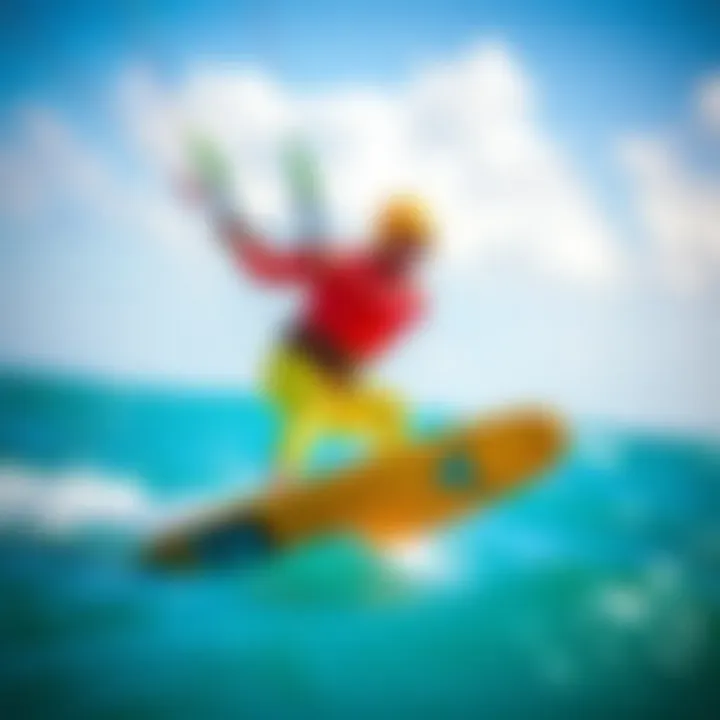
The subliminal messages conveyed through color may affect how kiteboarders handle their equipment and navigate difficult situations, whether it’s landing a tricky jump or steering during gusty winds.
Emotional Responses to Color
Colors provoke various emotional reactions, ranging from tranquility to aggression. Understanding these associations can lead to smarter choices in wetsuit colors. For example:
- Blue: Often associated with calmness, blue can help reduce anxiety, making it a preferred choice for those who wish to remain steady and composed on the waves.
- Red: This bold hue is tied to energy and intensity; it can ignite feelings of power and competitiveness, which might fuel one’s drive during events.
It's fascinating how colors can shift moods. Wearing a striking orange wetsuit might fend off fear and inspire confidence amidst the unpredictable ocean. Kiteboarders need to recognize these emotional connections to make informed choices about their gear.
In summary, the psychology of color plays a pivotal role in kiteboarding, impacting both performance and emotional well-being. By considering how different colors influence mindset and behavior, kiteboarders can select wetsuits that not only reflect their style but also elevate their riding experience. Understanding this relationship equips athletes with the knowledge to harness color as a tool for improving their skills on the water.
Market Trends in Wetsuit Colors
In the dynamic world of kiteboarding, wetsuits not only serve their functional purpose of insulation and protection but also act as a reflection of contemporary trends. This section will delve into key aspects that underscore the importance of color in wetsuits, including what drives market preferences, how color trends can enhance performance, and the broader cultural implications of these choices. By understanding these trends, kiteboarders can make informed decisions that align with both personal style and practical needs.
Popular Color Choices
Color preferences can vary widely among individuals participating in kiteboarding. Here’s a breakdown of some popular choices and their underlying impacts:
- Neon and Bright Colors: From vivid greens to electric pinks, these eye-catching hues are not only stylish but enhance visibility on the water. Bright colors can help kiteboarders stand out, making them easier to spot for safety purposes, particularly in crowded beach areas.
- Classic Black: Often associated with sleekness and versatility, black wetsuits remain a staple. They tend to absorb heat better, which can be beneficial in cooler waters. However, those opting for black often miss out on the visibility aspect.
- Blues and Greens: These colors offer a natural integration with marine environments, appealing to both aesthetic preferences and functional aspects, such as camouflage in some settings.
Understanding these preferences is crucial because they can influence not just personal choice but also manufacturing decisions. Wetsuit companies often take note of these trends, adapting their lines to reflect current consumer demands.
Innovative Designs and Patterns
There’s a growing movement in the kiteboarding scene towards innovative designs and patterns that go beyond solid colors. These include:
- Gradient Designs: These have become quite popular, where one color smoothly transitions into another, creating a unique look that can be both aesthetic and functional. Gradients can help mix visibility with style, allowing athletes to maintain a distinctive presence on the water.
- Geometric Patterns: Bold shapes and patterns are making waves in wetsuit designs, offering a fresh take on traditional styles. These designs often enhance personal expression and help kiteboarders stand out in a crowd.
- Customized Prints: Some brands are even offering customization options, allowing riders to select images or personal motifs that reflect their style. This trend toward personalization emphasizes individuality and can lead to a deeper emotional connection with the equipment.
This shift toward unique, artistic designs represents more than just a fashion statement; it reflects a broader trend toward individuality and self-expression in sports. As the kiteboarding community grows, these colorful choices become not merely aesthetic but also a means of forging identity within a vibrant subculture.
"Color isn’t just a matter of taste in kiteboarding; it’s a blend of science, safety, and individual expression that can redefine performance on the water."
Expanding the presented color choices and designs can attract a wider demographic of kiteboarders, each with their distinct preferences. It’s essential for manufacturers to keep their fingers on the pulse of these trends to create products that not only satisfy functional needs but resonate with the vibrant culture of kiteboarding.
Functionality of Color in Wetsuits
The functionality of color in wetsuits is not just about aesthetics; it greatly impacts performance and safety for kiteboarders. As water sports enthusiasts know, choosing the right wetsuit involves more than picking a shade that looks good. It’s essential to consider how certain colors enhance visibility, regulate temperature, and ultimately contribute to a more enjoyable and safe experience on the water.
Visibility in Water
One of the primary functions of color in wetsuits is ensuring visibility in the water. Bright colors, such as neon yellow or vibrant orange, stand out against the blues and greens of the ocean, which can be particularly crucial during busy kiteboarding sessions or in crowded spots. This heightened visibility not only helps fellow kiteboarders and boaters to see you but also increases safety during emergency situations.
- Awareness: A brightly colored wetsuit captures attention. In choppy waters or on overcast days, it can be hard to spot a darker wetsuit, increasing the risk of accidents. The right color can significantly decrease this risk.
- Rescue Operations: If something goes awry, and rescue teams need to locate a downed kiteboarder, a brightly colored suit makes them easier to identify—both from the air and the water. This is why many colors in kiteboarding gear intentionally lean toward high visibility hues.
"In the world of kiteboarding, where conditions can change at the drop of a hat, standing out can save a life."
Thermal Regulation


Beyond visibility, the color of a wetsuit can also play a role in thermal regulation. Colors affect how much heat is absorbed or reflected, which can be critical in maintaining comfort during sessions in varying water temperatures. For instance:
- Darker Colors: They tend to absorb more sunlight and can provide extra warmth on chilly days. A black or dark blue wetsuit may be ideal for colder climates or early morning sessions when the water is still frigid.
- Lighter Colors: Conversely, lighter colors reflect sunlight and help cool the body in warmer conditions. A light gray or white suit can keep you from overheating while you're battling the waves on a hot summer day.
By choosing the appropriate color based on environmental conditions, kiteboarders can better manage their body temperature. This can enhance stamina and improve performance, as they are less likely to be distracted by discomfort from the elements.
In summary, the functionality of color in wetsuits transcends mere appearance. It affects visibility in water, influences thermal regulation, and contributes to overall safety while kiteboarding. As the sport continues to evolve, understanding these factors remains essential for enthusiasts keen on maximizing their time on the water.
Safety Considerations in Color Selection
When it comes to kiteboarding, ensuring safety is paramount. One often overlooked aspect is color choice in wetsuits. The colors we choose for our wetsuits can significantly impact visibility and safety during those thrilling rides over the water. Selecting a wetsuit based on color is not merely a matter of style but rather a crucial decision that can affect everything from rescue operations to UV protection.
Increased Visibility and Rescue Operations
Visibility is a critical factor in kiteboarding safety. Bright and contrasting colors can make a huge difference in how easily a kiteboarder is seen on the water, especially against the backdrop of sea and sky. This increased visibility can be vital in emergency scenarios. If something goes awry—whether it’s an injury or equipment failure—having a brightly colored wetsuit can help rescue teams locate a rider quickly.
Think of it this way: a neon green or hot pink wetsuit stands out like a sore thumb against the blue ocean, making it easier for onlookers or rescue personnel to spot a person in distress. In contrast, muted tones like dark blue or grey might blend in with the water, making it easy for someone to go unnoticed.
Some kiteboarding enthusiasts argue that patterns or graphics can also enhance visibility. Consider this: a wetsuit adorned with reflective designs or a color gradient can catch the eye in more ways than one, alerting others to a rider’s presence. This isn’t just about personal preference; it’s a matter of ensuring that all kiteboarders can ride the wind and waves without being a cause for concern.
UV Protection through Color Choices
Another essential consideration in selecting wetsuit color is UV protection. Ultraviolet (UV) rays from the sun can be particularly harsh while kiteboarding, and the wrong color could mean a greater exposure to those harmful effects. Darker colors tend to absorb more heat and can also allow for more UV rays to reach the skin. On the flip side, certain lighter colors can reflect some of the sun's rays, offering better protection. However, it’s important to remember that not all light colors are created equal; many can also fade over time due to sun exposure.
Choosing a wetsuit that is specifically manufactured with UV-blocking fabrics can provide an extra layer of protection in addition to color selection. Many brands now offer wetsuits designed with UPF (Ultraviolet Protection Factor) ratings, ensuring adequate shielding from sunburns and long-term skin issues.
In summary, when it comes to safety considerations in color selection for wetsuits, visibility and UV protection are paramount. Bright colors can aid in rescue efforts, while appropriate UV protection can preserve skin health.
By taking these factors into account, kiteboarders can make informed choices that not only enhance their performance but also prioritize their safety in the water. Protecting oneself while enjoying the exhilarating sport of kiteboarding should become second nature, and color selection in wetsuits plays a key role in this endeavor.
Personal Expression and Individuality
Creating a unique identity while kiteboarding goes beyond just the adrenaline rush; it dances hand in hand with personal expression. When it comes to wetsuits, colors become essential tools for kiteboarders to showcase their individuality, weaving their personality right into the fabric of their gear. This connection between color choices and personal expression is particularly significant as it allows athletes to silently communicate their passion and style while gliding across the water.
Color Choice as a Statement
Color choice in wetsuits often serves as a bold statement, illuminating a rider's personality to the outside world. Many kiteboarders opt for bright hues like electric blue, fiery red, or lemon yellow. Such choices aren’t just for show; they signal confidence and a spirited approach towards the sport. Each color brings forth its own meaning and can even affect how others perceive the rider. For example, a bright orange wetsuit can convey energy and enthusiasm, while cool-toned colors like teal often evoke a sense of tranquility and focus.
But it isn’t simply about picking a color at random. Many riders meticulously consider their favorite colors and their cultural significance, potentially choosing shades that resonate deeply on a personal level. It often comes down to how well a color echoes the person that’s wearing it, enhancing their experience out on the waves. This aspect can also extend to matching board colors or other gear, turning a kiteboarding experience into a cohesive visual statement.
"Color is a power which directly influences the soul." – Wassily Kandinsky
Influence of Personal Style on Wetsuit Design
Gone are the days when wetsuit designs were limited to bland colors and standard fits. Now, personal styles directly influence the way wetsuits are designed and manufactured. With a growing demand for customization, many companies now offer options to personalize colors, patterns, and even fit. Kiteboarders can choose from an array of color palettes or select unique prints that resonate with their taste.
For instance, a kiteboarder with a background in graphic design might prefer geometric patterns, while someone with a love for nature might lean towards earthy tones or designs reminiscent of ocean waves. The possibilities are endless, allowing for a rich variety of styles that reflect individual identities.
Additionally, social media has become a catalyst for personal expression in the sport. As enthusiasts share pictures of their gear and experiences, the influence of personal style resonates beyond the waves, inspiring more riders to express themselves through color and design. Therefore, the evolution of wetsuit styles aligns closely with a collective dialogue about identity, culture, and individualism.


By recognizing the significance of color in wetsuits, kiteboarders can enhance not only their performance but also their self-expression as they carve through the water, leaving unique impressions behind.
Wetsuit Maintenance and Care
Taking care of your wetsuit is not just about keeping it clean; it’s about preserving its integrity and extending its lifespan. This holds especially true in kiteboarding, where exposure to saltwater, sun, and wind can wreak havoc on your gear. If you think a wetsuit can withstand all that tough love without some TLC, think again. Regular maintenance is crucial for maintaining performance, hygiene, and yes, that vibrant color that catches the eye as you carve through the waves.
One primary aspect to highlight is the importance of color integrity. A wetsuit’s color not only contributes to visibility and style but also reflects its overall condition. A well-maintained suit retains its brightness, while a faded or discolored wetsuit might suggest underlying damage, like micro-tears or degraded material. Ignoring these issues might lead to less effective thermal regulation or, worse, a wetsuit that fails when you need it the most.
Importance of Maintaining Color Integrity
Just as the paint on a classic car tells a story, so does the color of your wetsuit. Over time, exposure to sunlight and harsh saltwater can cause fading, which detracts not only from the aesthetic appeal but also affects performance aspects. Here's why keeping the color intact is vital:
- Visibility: Bright colors enhance visibility in the water. A well-colored wetsuit can make a significant difference during rescue situations or while navigating crowded beaches.
- Material Longevity: Colors that fade often show deterioration of the material itself. By maintaining color integrity, you're also preserving the material strength and flexibility.
- Personal Identity: A vibrant wetsuit can make a statement. It’s often a reflection of personal style within the community, and a faded suit tells a different tale—one of neglect instead of pride.
Maintaining color integrity involves more than mere washing. It requires mindful practices during and after each kiteboarding session.
Cleaning Techniques for Various Colors
Cleansing your wetsuit properly depends on its color. Not all colors are created equal, particularly when considering how they react to UV rays and salt. Here are some tailored cleaning techniques to keep your wetsuit looking fresh:
- Neutral Detergent Use: For all colors, always opt for a mild, neutral detergent. Harsh detergents can lead to discoloration or damage the fabric. Avoid bleach at all costs.
- Fresh Water Rinse: Always rinse your wetsuit in fresh water right after kiteboarding. Salt and sand can cause wear over time, and a quick rinse prevents this accumulation.
- Drying Away from Direct Sunlight: Sun can severely impact color. Whenever possible, let your wetsuit dry in a shady spot or indoors. If drying outdoors, do so inside out to preserve color.
- Color-specific Treatments: Some wet suits come in vibrant hues or patterns, specifically designed to stand out. For these, look into color-safe cleaners that can help maintain that eye-catching allure.
Taking the time for proper maintenance doesn’t just save you money in the long run, but it also ensures that you can continue to enjoy the thrill of kiteboarding without the worry of your gear failing you.
"A little care goes a long way in making sure your kiteboarding sessions remain exhilarating, rather than worrying about your gear."
For more information on wetsuit care, check out resources from Wikipedia on Wetsuits or engage with communities on Reddit that discuss kiteboarding gear maintenance.
Future of Wetsuit Colors
The evolution of wetsuit colors is not merely a fleeting trend; it reflects a convergence of technology, safety, and personal expression that is becoming increasingly vital in kiteboarding. As the sport evolves, so does the understanding of how different colors can influence both performance and safety. Kiteboarders are not only concerned about style but also about functionality that colors bring along.
Emerging Technologies in Wetsuit Fabrication
The shift towards innovative materials and fabrication processes is paramount in shaping the future of wetsuit colors. Companies are now exploring nanotechnology to create fabrics that not only repel water but also respond to changes in temperature, altering color to provide thermal regulation.
For instance, consider a wetsuit made with thermochromic pigments. These pigments change color based on temperature, offering the wearer not just an aesthetic appeal but also functionality by signaling when the water might be too cold. Imagine being out in the ocean and your suit turning from blue to dark gray, indicating it’s time to head back to shore to avoid hypothermia. This can indeed revolutionize safety in kiteboarding.
- Key Features of Emerging Technologies:
- Smart fabrics that can adapt to environmental conditions
- Reflective elements for better visibility during low-light conditions
- Development of lightweight materials that maintain warmth without bulk
Sustainability and Eco-Friendly Color Choices
The discussion around sustainability in sports gear is becoming urgent. Kiteboarders, instructors, and brands alike are turning towards eco-friendly materials and dyes as awareness of environmental impacts grows.
Eco-friendly color choices are being made possible through the use of organic dyes and recycled materials. Brands are reducing their carbon footprint by opting for water-based dyes, which are not only less harmful to the environment but also minimize water usage during the manufacturing process. One example is a wetsuit crafted from recycled nylon, tinted with natural pigments sourced from plants, thus combining sustainability without sacrifice on quality.
"By embracing eco-friendly options, kiteboarders can enjoy the sport while contributing to the preservation of their natural playground—the ocean."
- Benefits of Sustainable Choices:
- Reduction in environmental harm
- Support for ethical manufacturing practices
- Enhanced interest from environmentally-conscious consumers
In summary, the future of wetsuit colors intertwines innovative fabrication with sustainable practices, presenting kiteboarders a dual advantage of performance and responsibility. This is not just a trend—it's a movement towards gear that is as conscientious as it is stylish.