An In-Depth Exploration of Wing Foil Surfing

Intro
Wing foil surfing, a thrilling hybrid of wind-powered surfing and foiling, has rapidly captured the hearts of adventurers on the water. Stemming from a synergy of wind sports, this innovative pursuit allows riders to glide seamlessly above the ocean surface, experiencing both freedom and exhilaration. With roots tracing back to traditional windsurfing and kiteboarding, wing foiling represents the evolution of hydrophilic sports, pushing the boundaries of what's possible on water.
Diving into this sport requires not just an interest but a keenness to understand the essential elements that define it. From gear selection to skill development, each aspect lays the groundwork for a rewarding experience on the waves. The landscape of wing foiling is painted with myriad stories. Novices often feel overwhelmed by choices and techniques, while seasoned surfers are keen on refining their craft. This exploration unpacks the various layers, bringing forth a comprehensive guide for all those venturing into wing foiling.
As the community surrounding wing foiling grows, it brings a wealth of knowledge and excitement, encouraging a culture of sharing techniques, safety tips, and environmental awareness. Whether you plan to be a weekend warrior or pursue competitive excellence, having a well-rounded understanding of wing foil surfing will not only enrich your experience but also connect you with others in the sport.
Gear Selection
To make the most of wing foiling, selecting the right gear becomes crucial. With several options available, understanding equipment choices can immensely enhance the riding experience.
Types of Wings
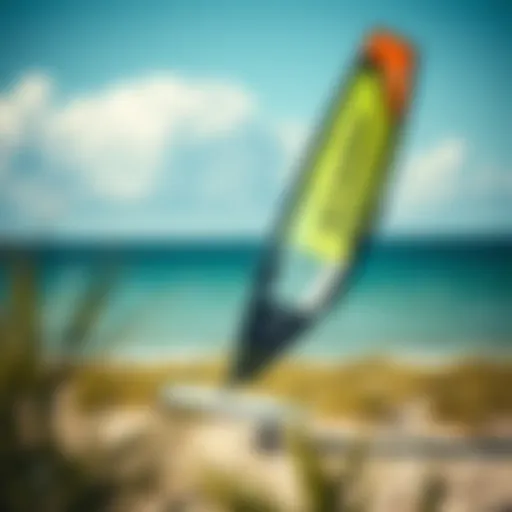
The core piece of gear is the wing itself. Wngs come in various sizes, shapes, and materials, each tailored for different wind conditions and skill levels.
- Inflatable wings are popular for their buoyancy and ease of use, providing stability for beginners.
- Rigid wings have a more rigid structure, offering improved performance at higher speeds and in trickier conditions, suitable for advanced foil surfers.
- Hybrid options like the strutless wing combine features from both categories, catering to a broader range of conditions and preferences.
Choosing the right wing ties closely to the wind conditions of your favorite spots. For lighter winds, larger wings might be more advantageous, while smaller wings may thrive in stronger gusts.
Choosing the Right Board
The board is your platform, literally, and selecting the right one can make or break your setup.
- Foil boards generally come in two forms: dedicated foil boards, specifically designed for foiling, and hybrid boards that accommodate both traditional surfing and foiling.
- Consider the size of the board based on your weight and skill level. A larger board offers more stability, while a smaller board allows for quicker turns and tricks.
- Foot strap configuration is another critical factor. Some riders prefer straps to enhance control, while others opt for a strapless setup to adopt freestyle techniques.
Ensuring your gear matches your skill level and local conditions sets you up for success. Always be open to experimenting, as the right gear can evolve as you hone your skills.
"Selecting appropriate equipment for wing foiling significantly influences your experience, from comfort on the water to technical advancement."
Skill Development
Skill development is key to excelling in wing foil surfing. While the equipment may serve as your conduit over waves, personal control transforms an average experience into a riveting journey.
Essential Techniques
Mastering fundamental techniques forms the bedrock of your skills. These include:
- Start with the basics: Learn to maneuver the wing on land before hitting the water. Practicing wing handling without the foil helps in understanding the dynamics of the sport.
- The takeoff: Focus on a smooth launch from a standing or kneeling position. Correct weighting and balance, accompanied by proper wing tilt, will lead to smooth ascension above the water.
- Body positioning: Lean forward when gaining speed, but remain flexible. Use your hips and shoulders to steer your direction.
Progression Tips
As you gain confidence, here are some tips to elevate your skills further:
- Experiment with different wind conditions: Learning how your wing and board react in varied winds can significantly improve your adaptability.
- Freestyle practice: Dedicate sessions to practicing tricks. Small jumps and turns can aid in developing responsiveness and creativity.
- Watch experienced riders: Observing their techniques can provide insights and inspire new methods to try in your journey.
With consistent practice and an open approach to learning, anyone can transform from a beginner into a proficient rider, embracing the waves with skill and confidence.
Foreword to Wing Foil Surfing
Wing foil surfing is not just another passing trend in the water sports world; it’s a significant evolution in how enthusiasts engage with wind and waves. This innovative sport combines elements from kiteboarding, windsurfing, and traditional surfing, creating a unique experience on the water. Understanding what wing foil surfing entails is crucial for anyone looking to dive deeper into its intricacies, whether as a participant or an observer.
Definition and Basic Concepts
At its core, wing foil surfing involves riding on a board while holding a wing that harnesses the wind's power. You could think of it as a blend of surfing and sailing, where the rider uses the wing to lift off the water's surface with the aid of a hydrofoil underneath the board. The hydrofoil, a pivotal element of the setup, allows the rider to glide smoothly above the water, significantly reducing drag and enhancing speed and maneuverability.
Now, for those just starting out, grasping the basic concepts is essential. Here are a few terms to get familiar with:
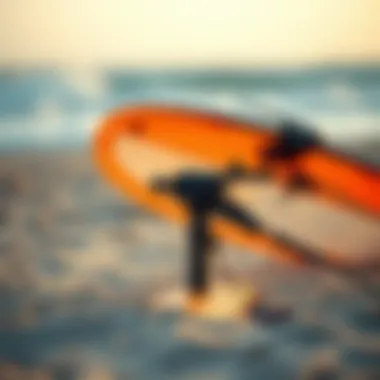
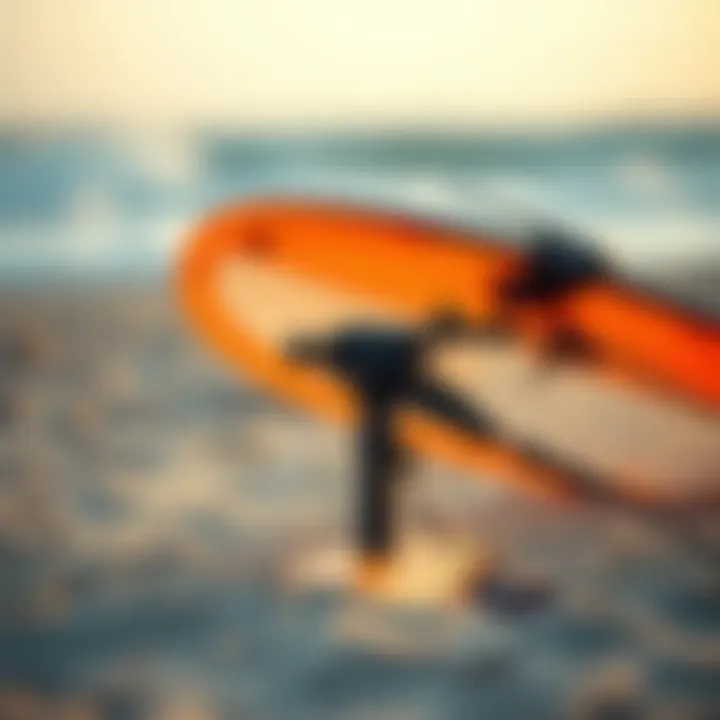
- Wing: This is the sail-like structure that catches the wind, allowing the rider to propel forward.
- Foil: The underwater apparatus which lifts the board out of the water as speed increases.
- Board: The platform on which the rider stands, available in various sizes and shapes tailored for different experience levels and conditions.
The beauty of wing foiling lies in its accessibility. Unlike kiteboarding, which necessitates more gear and setup time, wing foiling offers a more user-friendly approach. Newcomers often find it easier to learn the basic skills, leading to quicker success and enjoyment.
This sport also caters to various skill levels—from beginners figuring out how to balance and steer, to advanced riders executing tricks during exhilirating downwind runs. This diversity of engagement makes wing foiling an attractive choice for a wide audience.
The History of Wing Foiling
The journey of wing foiling began at the intersection of emerging technologies and the growing desire for new water experiences. It was not long ago—around the 2010s—that pioneers in the kiteboarding and windsurfing communities started experimenting with wings that possessed no rigid mast. These wings evolved into the inflatable designs we see today.
In 2015, the sport began gaining momentum, rapidly capturing the attention of water sports enthusiasts around the globe. The development of smaller, more controllable foils marked a turning point, making wing foiling more approachable and exciting.
- Evolution of Equipment: As technology advanced, equipment became lighter and more efficient, helping surfers catch more wind with less effort. For example, some early-wing designs were cumbersome and difficult to handle, but today’s wings are meticulously engineered for performance.
- Community Growth: Wing foiling spurred the formation of communities, clubs, and competitions, fostering an environment where learning and sharing experiences became part of the sport's culture. Events dedicated to wing foiling are rapidly multiplying, creating environments for both competitive and social engagement.
The rise of wing foiling illustrates how innovation can reshape recreational activities, breathing new life into age-old sports while attracting fresh enthusiasts seeking adventure on the water.
As we reflect on this storied development of wing foiling, it becomes clear that understanding the roots and growth of the sport provides essential context for appreciating its impact today.
Equipment for Wing Foiling
In wing foiling, the right equipment isn't just a matter of preference; it's foundational to success and safety. The varied elements—including wings, foils, and boards—each contribute to an effective and thrilling riding experience. Selecting the appropriate gear not only enhances performance but also assists in mastering techniques. Investing time in understanding the specs and what works best for an individual's skill level and local conditions can ultimately set one apart in this exhilarating sport.
Wings: Types and Specifications
When it comes to wings, there's more than meets the eye. Essentially, the wing acts as the sail, capturing wind to propel the rider across the water. Choosing the right wing depends on numerous factors, including wind speed and rider experience.
- Wing Size: Generally, larger wings provide more lift, making them ideal for lighter winds and beginners. Conversely, advanced riders often opt for smaller wings that allow higher speeds and more maneuverability in stronger winds.
- Shape: The silhouette of a wing can also affect performance. Wings with a rectangular shape deliver stability, while those with a more curved profile offer enhanced turning capabilities.
- Materials: Most wings are fashioned from durable materials like ripstop nylon or other composite fabrics, ensuring they hold up well against the elements.
It's crucial for riders to match their wing choice not only to their skill set but also to the conditions they typically face. A common mistake is underestimating the wind’s effect. If the breeze is skimming the surface, a novice may struggle unnecessarily with an ill-suited wing.
Foils: Understanding Lift and Performance
A foil is the unsung hero in wing foiling, as it defines the experience more than one might initially recognize. The science of lift here can seem complex, but it boils down to how the foil interacts with water.
- Wing Size and Shape: Just like wings, foil wings can come in varying sizes and shapes, impacting how they lift and glide. Larger wings can lift heavier riders easily, while smaller wings can cut through water swiftly, providing agility.
- Mast Length: A longer mast gives riders more clearance from the water, which is especially advantageous for choppy conditions. However, it can also handle differently, possibly requiring some adaptation for control.
- Fuselage Considerations: The fuselage connects the wing with the board and contributes to the overall stability and maneuverability of the setup. Selecting a fuselage to suit personal riding style can change how one experiences the sport dramatically.
Understanding how these components interplay is key. A mismatch in foil selection can lead to either a frustrating time on the water or a breezy glide that feels like floating on air.
Boards: Selecting the Right Size and Shape
A board’s role in wing foiling is pivotal as it anchors the rider's connection to the foil and acts as a platform for all maneuvers. Choosing the right board isn't just about aesthetics; it's about functionality and fit.
- Size Matters: Lighter riders might benefit from smaller boards due to easier handling, while bigger riders should consider larger boards for better stability and control.
- Shape and Volume: The board's volume can significantly affect buoyancy; more buoyancy generally aids in earlier takeoff and easier handling, particularly for those just starting out. Board shapes that feature wider designs often offer improved stability but may limit advanced moves.
- Foot Strap Options: Adjustable foot straps can accommodate evolving riding styles, making them a wise choice for those planning to progress in their skills.
Ultimately, a board should feel like an extension of the rider's body. Comfort and balance can make a world of difference, especially when navigating less predictable waters.
"In the world of wing foiling, every piece of gear plays a distinct role, and knowing how to choose the right equipment can mean the difference between a good ride and a great ride."
As riders delve deeper into the nuances of wing foiling, they will find that the right gear allows them to not only enjoy the sport fully but also to develop skills and techniques with newfound ease. Understanding these elements is essential for a rewarding experience on the water.
Techniques in Wing Foil Surfing
Wing foiling offers a unique blend of surfing, windsurfing, and kiteboarding, making it essential for enthusiasts to master various techniques to fully enjoy and excel at the sport. Understanding these techniques not only enhances the overall experience but also plays a pivotal role in safety and performance on the water. The realms of wing foiling are as broad as the ocean itself, with each maneuver opening doors to new possibilities and challenges.
Getting Started: Basic Maneuvers
For beginners, starting with the fundamental maneuvers is crucial. Here’s a breakdown of the essential moves:
- Getting Up on the Foil: Start by positioning your board on the water, facing into the wind. The key is to balance while gently sheeting in the wing, allowing the wind to create lift beneath the foil.
- Tacking: This is a simple technique for changing directions. Begin by shifting your weight to the back foot, pulling the wing back, and leading the board into the wind before adjusting to head in the opposite direction.
- Jibing: Similar to tacking, jibing involves turning the board downwind. It requires a slight weight transfer and a quick switch of the wing from one side to the other while maintaining speed.


Mastering these basic maneuvers sets a solid foundation for more advanced techniques, keeping safety in mind while honing your skills.
Advanced Techniques: Turning and Tricks
Once you have a grip on the basics, it’s time to embrace advanced techniques that will dazzle both you and your audience. Here are a few:
- Carving Turns: This is about making smooth and controlled turns while maintaining speed. Lean into the turn, using your body to steer the board. It’s essential to keep your weight low to the board for better stability.
- Jumping: After gaining speed and confidence, try small jumps. Start by compressing your knees and then springing off the board while pulling the wing upward. It's an exhilarating sensation, but requires practice to land safely.
- Spins and Slides: These tricks involve pivoting the board mid-air and executing spins while hovering above the water. They demand a good understanding of balance and wing control. Finding your flow takes experimentation and patience.
Each of these advanced techniques not only elevates your skills but offers an opportunity to connect with the community through shared experiences and challenges.
"Mastering the techniques in wing foiling is akin to learning a new language. The more fluid you become, the more expressive you can be on the water."
With continuous practice, dedication, and adjustment to various wind and water conditions, you can push your limits and explore the full potential that wing foiling has to offer.
Safety Considerations
When it comes to wing foil surfing, prioritizing safety is as essential as mastering the technique itself. Engaging in this exhilarating sport requires more than just understanding the art of riding the waves; it’s about ensuring your wellbeing and that of fellow surfers. The dynamic interplay of wind and water holds unpredictable factors that can impact any surfing session. Hence, a thorough grasp of safety considerations not only enhances your experience but also minimizes risks.
Understanding Wind and Water Conditions
The first tenet of safety in wing foiling revolves around comprehending the local weather patterns and water conditions. Winds can change direction in the blink of an eye, making it crucial for surfers to familiarize themselves with the area before hitting the water. Knowing how wind speed and direction affect your ability to ride can significantly impact your session. For instance, optimal wing foiling typically occurs when wind speeds range from 15 to 25 knots. Surfers should pay close attention to forecasted gusts that may surpass these limits or sudden changes in direction, as this could throw even the most seasoned rider off balance.
Additionally, water conditions play a vital role in safety. Look for areas free from obstacles like rocks or shallow reefs where you could easily wipe out. Each spot has its own quirks; for example, a beach can have gentle swells, but as you venture out farther, the surf might get choppy. Diving into the waters without a proper assessment can lead to serious injuries. Understanding tidal patterns and monitoring water currents can mean the difference between an enjoyable ride and a precarious situation.
Personal Safety Gear and Precautions
While knowledge of surroundings is cornerstone, the right personal safety gear is another line of defense against potential mishaps. Here are some essentials to consider:
- Impact Vest: Protects your torso during falls. It's a good idea to invest in one that offers buoyancy to keep you afloat as well.
- Helmet: A lightweight helmet can safeguard against head injuries, especially when navigating crowded waters.
- Leash: Keeping your wing attached to you ensures that it won’t drift away, reducing the chances of losing your equipment.
- Wetsuit: This is essential not just for warmth but also for protection against abrasions and cuts from the board or other surfers.
Beyond gear, always double-check your equipment before each use. Loose connections or other defects may lead to failures on the water. Creating a habit of performing a quick inspection can save your skin, and your equipment, in a pinch. Furthermore, consider practicing in controlled conditions or with a partner, especially when learning new techniques or maneuvers. Having a buddy nearby can be a reassuring presence, particularly when things do not go as planned.
In wing foiling, preparation is your best mate. Staying informed of weather conditions and wearing the necessary gear greatly reduces risks while you embrace the thrill of surfing.
Ultimately, safety considerations serve as the backbone of a fulfilling and rewarding wing foiling experience. Taking these aspects seriously means you can focus on honing your skills while enjoying the adrenaline-fueled ride.
For additional safety guidelines, you can explore resources from certified water sports agencies like United States Coast Guard or look up regulations at local Kiteboarding Community.
Being aware and prepared lets you ride the waves without fear!
Environmental Impacts of Wing Foiling
Understanding the environmental impacts of wing foiling is critical for the sport's sustainability. As more enthusiasts flock to the waters with their wings and boards, it becomes imperative to recognize how their activities influence the ecosystems they engage with.
The balance between enjoying this exhilarating sport and protecting our waterways is a fine line, where consideration and responsibility play pivotal roles.
Eco-Friendly Practices for Wing Foilers
Practicing eco-friendly habits is not just beneficial for the environment; it’s essential for the longevity of the sport itself. There are several strategies that wing foilers can adopt to minimize their ecological footprint:
- Leave No Trace: After enjoying a session, it's crucial to pick up any trash, even if it’s not yours. Be mindful of packing out all waste.
- Respect Wildlife: When wing foiling, maintain a safe distance from marine animals. Approaching them too closely can disturb their natural behavior, which is especially important during breeding seasons.
- Choose Sustainable Equipment: Opt for brands that prioritize eco-friendly materials and manufacturing processes in their products. Some companies are increasingly focused on sustainability, utilizing recycled materials or minimizing waste in production.
- Educate and Advocate: Share these eco-friendly practices within the wing foiling community. Encouraging others to follow suit can amplify the positive impact.
Conservation Initiatives in Water Sports
Across the globe, various conservation initiatives are taking root to tackle the environmental challenges faced by water sports, including wing foiling. Participating in these efforts can help preserve our natural playgrounds for future generations. Some notable initiatives include:
- Beach and Reef Cleanups: Many local organizations regularly organize clean-up events where surfers and other water sport enthusiasts can volunteer. Joining these efforts not only benefits the environment but fosters a sense of community among participants.
- Awareness Campaigns: Conservation groups often run campaigns to educate the public about the importance of marine ecosystems. Engaging in these campaigns or spreading awareness can have a ripple effect on local attitudes towards preserving our waters.
- Policy Advocacy: Supporting initiatives that aim to strengthen regulations protecting marine environments can help ensure long-term sustainability. Voices from the community can be powerful in lobbying for change, whether that’s more significant protections or sustainable access to waterways.
Educating ourselves and others seems to be the first step in ensuring that our hobbies do not lead to harmful consequences for our natural world. Every little effort counts.
By embracing these practices and participating in these initiatives, wing foiling can enjoy a future that honors both the thrill of the sport and the health of our oceans.
Popular Destinations for Wing Foil Surfing
Exploring diverse locations for wing foil surfing is instrumental to both novices and seasoned surfers. The right spot can enhance the experience, offering optimal conditions and a chance to immerse oneself in lively surf culture. Factors such as wind patterns, water depth, and local community play pivotal roles in choosing the best destinations.
Top Spots Around the World
Across the globe, certain locations have gained a reputation for being premier spots for wing foiling. Here are a few standout names:
- Hood River, Oregon, USA: Known as the windsurfing capital, Hood River boasts strong winds and scenic views of the Columbia River Gorge. The local community often hosts events, and the accessibility of amenities makes it a favorite among many.
- Tarifa, Spain: Situated at the southern tip of Spain, it experiences consistent winds year-round. Tarifa is not just about wing foiling; it’s a hub for various water sports, inviting both amateur and seasoned athletes looking to hone their skills.
- Coconut Grove, Florida, USA: With its shallow waters and favorable weather conditions, Coconut Grove serves as an ideal environment for beginners. The vibrant surroundings and friendly locals add to the charm.
- Bonaire, Caribbean: A true paradise for water sports enthusiasts, Bonaire's minimized windshear and clear, warm waters enhance one’s experience. The island promotes sustainable practices, aligning well with environmentally conscious riders.
These locations are not only known for their suitability for wing foiling but also offer stunning natural beauty and vibrant communities.
Local Culture and Community Engagement
Engagement with the local culture is often an underappreciated aspect of wing foiling. In each of these top destinations, surfers have the chance to interact and learn from local experts, which can profoundly enrich their experience. Local riding clubs and events provide platforms for enthusiasts to gather, share tips, and inspire one another.
In Tarifa, for example, the annual wing foiling competition brings together participants from various backgrounds, fostering a sense of camaraderie among riders. The community's welcoming nature encourages newcomers to connect with seasoned surfers, sharing experiences and insights. Similarly, in Hood River, local shops offer lessons, gear rentals, and workshops that can further integrate visitors into the surfing culture.
As a result, these interactions transform a mere surfing trip into a culturally immersive experience, enlightening riders about conservation efforts and community initiatives that support water sports activities. Involving oneself in the local culture can yield a deeper appreciation of the sport and the environment that nurtures it.
The Wing Foiling Community
The camaraderie found within the wing foiling community plays a crucial role in fostering growth and enthusiasm for the sport. It's more than just a group of surfers riding the waves; it's a network built on shared experiences, insights, and a collective passion for harnessing the wind. The community offers a supportive environment where both beginners and seasoned enthusiasts can come together, share tips, and learn from each other's successes and failures.
One of the most rewarding aspects of participating in this community is the sense of belonging it creates. Whether you're joining a local club or attending a wing foiling event, you'll find like-minded individuals who understand the thrill of gliding across the water, the challenge of mastering techniques, and the exhilaration of competition. This environment is invaluable for newcomers looking to gain confidence and skills, as they can lean on experienced surfers for guidance.
Clubs and Events
Clubs centered around wing foiling are popping up in various locations, helping to build community spirit and encourage participation. These clubs often host regular meetups, training sessions, and competitions that are key not only to skill enhancement but also to forging friendships. Event organizers can curate experiences that cater to all levels, making them accessible to everyone. Some notable events and gatherings include:
- Local Competitions: These events often have categories for different skill levels, allowing amateur surfers a chance to show their prowess while learning from others in the process.
- Workshops and Clinics: Many organizations offer intensive clinics where participants can learn specific techniques or equipment usage nuances.
- Social Gatherings: Clubs frequently set up informal get-togethers, promoting networking among enthusiasts to share knowledge and stories.
Participating in clubs and events can lead to additional opportunities, such as sponsorships, collaborations with brands, and even a pathway to professional competitions.
Resources for Learning and Improvement
The wealth of educational resources available for aspiring wing foilers is astonishing. Online platforms provide numerous tutorials, videos, and forums where individuals can learn about everything from basic maneuvers to advanced tricks. Some notable sources include:
- YouTube Channels: Many skilled riders share their insights on these platforms, dissecting various techniques and filming tutorials.
- Online Forums: Websites like Reddit often feature devoted subreddits to wing foiling, enabling open discussions and advice sharing among enthusiasts.
- Social Media Groups: Platforms like Facebook have groups specifically for wing foiling enthusiasts, where members share experiences, organize meetups, and post about gear tips.
- Workshops and Classes: Local shops and institutes sometimes offer lessons for riders of all levels, providing hands-on experience and expert coaching.
The diversity of these resources allows surfers to seek knowledge tailored to their personal learning styles and specific skills they wish to develop.
"Being part of the wing foiling community means you're never ready to learn and always excited to share."
By diving into these offerings, individuals can consistently improve their techniques, stay up-to-date on trends, and enrich their experience in the sport. Engaging fully in the community not only enhances skills but also deepens the connection to the sport itself.
Future Trends in Wing Foil Surfing
As the world of water sports continues to evolve, wing foil surfing is carving out its niche in this ever-changing landscape. Understanding future trends in this sport is vital not only for enthusiasts but also for kiteboarders, instructors, and event organizers. This segment will explore how the sport is likely to change, emphasizing the importance of keeping pace with innovation, adapting to environmental considerations, and recognizing community dynamics.
Technological Advancements and Innovations
The future of wing foiling is undoubtedly intertwined with technological advancements that have the potential to revolutionize the experience. As manufacturers compete to bring the best product to the market, we see a range of innovations emerging.
- Material Advancements: Lightweight and durable materials are paramount. Infusions of carbon fibers and advanced polymers are leading to stronger wings and foils that enhance performance without compromising safety. Riders are likely to see significant decreases in weight, allowing easier maneuverability and increased lift.
- Smart Technology: Imagine wings equipped with sensors that provide real-time feedback on wind conditions or rider dynamics. Innovations like this could help surfers adjust their techniques instantly, fostering a deeper understanding of the sport. These smart devices could also track performance metrics, offering valuable data for those looking to improve.
- Enhanced Designs: The shape and size of wings and boards are continually being optimized. Design principles that focus on fluid dynamics may lead to boards with improved stability and foils that adapt better to changing water conditions. This could enhance both beginners' and experienced surfers' performances.
"The evolution of materials and designs in wing foil surfing not only makes the sport more accessible but also increases our safety on the water."
With such advancements underway, it’s obvious that the next wave of wing foiling will combine innovation with performance, setting a new standard for what riders can expect.
Challenges and Opportunities Ahead
As promising as the future is, it comes with its own set of challenges and opportunities that enthusiasts must navigate. The landscape of wing foiling is about to become quite competitive, and understanding these dynamics can help riders prepare for what lies ahead.
- Market Saturation: As more brands enter the marketplace, distinguishing between them could become difficult. Consumers will need to perform thorough research to identify the quality and suitability of products, demanding a more discerning eye.
- Environmental Sustainability: As with many sports, environmental considerations are surfacing as core elements of future trends. Manufacturers are increasingly being held accountable for sustainable practices in product creation and disposal. Innovations aimed at reducing carbon footprints will not only be favorable in public eyes but could become a competitive advantage.
- Education and Training: With advancements in technology, the learning curve may shift. As equipment becomes more sophisticated, there will be a growing need for quality instruction and mentoring to help riders to utilize these tools effectively.
- Community Engagement: The future trajectory of wing foiling may also hinge upon community cohesion. Collaborating with local organizations on conservation efforts and organizing events will help to solidify the sport's reputation and provide avenues for participation.
In summary, as the world of wing foil surfing evolves, embracing these trends can facilitate growth within the community and advance the sport further. By acknowledging both challenges and opportunities, stakeholders of all levels can take steps to create a vibrant future for wing foiling.