
In-Depth Look at the Naish S26 Wing Surfer Performance
Intro
The Naish S26 Wing Surfer has become quite the talk of the town among kiteboarding enthusiasts, and rightly so. In a world where every gear feels like a mere tweak of the last big thing, the S26 seems to step forward, carving its own niche. This is not just a piece of equipment—it's a well-crafted tool designed for performance and adaptability.
As we delve into this analysis, we will peel back the layers of its design philosophy, technical specifications, and performance metrics. More importantly, we’ll touch on the experiences shared by its users, helping you to glean actionable insights. Whether you're a seasoned rider or just dipping your toes into the vast ocean of wing surfing, understanding the nuances of the S26 will help you make informed choices about your gear.
Gear Selection
Selecting the right gear can make or break your experience on the water. The Naish S26, with its blend of innovation and functionality, provides a solid starting point. Let’s break it down into the must-have components to elevate your wing surfing game.
Types of Kites
When it comes to wing surfing, kites are your foundation. The S26 offers a variety of options that align with different skill levels and conditions.
- All-around Kites: These are great for general purposes and can handle a range of wind conditions. Perfect for riders just starting out or those who enjoy versatility.
- Freeride Kites: Focused on performance, these kites are designed for those looking to push limits. They’re responsive and give that thrilling rush.
- Wave Kites: Ideal for those who want to ride the swells. These designs enhance maneuverability, letting you dance atop the waves with finesse.
Choosing the right kite is a matter of understanding your riding style and local conditions. It’s akin to choosing the right shoes for hiking; you need the right fit for the journey ahead.
Choosing the Right Board
The next pivotal piece of gear is the board. The choice here is just as crucial, as it impacts your overall riding experience.
- Foil Boards: If you want that sensation of flying and gliding over the water, consider a foil board. Suitable for lighter winds, they allow you to catch some serious air.
- Directional Boards: Perfect for wave riding, these boards excel in maneuverability and provide exceptional control when navigating through choppy waters.
- Twin-Tip Boards: For those who appreciate versatility, twin-tips are user-friendly and cater to a variety of conditions. Great for tricks and jumps yet stable enough for beginners.
Before you splash out on a board, consider your current skill level and what kinds of conditions you usually find yourself in. It’s essential to select gear that complements your style rather than complicates it.
Skill Development
Having the right equipment is just the first stepping stone in your wing surfing journey. Equally vital is honing your skills to effectively utilize that equipment.
Essential Techniques
Mastering wing surfing involves a mix of dedicated practice and technique. Here are a few foundational techniques to focus on:
- Power Control: Learn how to use the wing’s power efficiently by adjusting your body positioning and the angle of the wing relative to the wind.
- Foiling Technique: If you opt for a foil board, practice getting lifted and balancing on the foil before diving into more advanced maneuvers.
- Turning and Jibing: Proper turning technique can make a significant difference in maintaining speed and control, especially when transitioning.
Progression Tips
As with any sport, progression comes with time and practice. Here are some tips to enhance your growth:
- Ride with Peers: Being around other experienced riders can accelerate learning. You can pick up tips, tricks, and insights you might not find in tutorials.
- Video Analysis: Record your sessions and analyze them. Understanding your mistakes visually can guide you in refining your techniques.
- Stay Patient: Every rider progresses at their own pace. Celebrate small victories along your journey rather than comparing yourself to others.
Maintaining a focus on skill development ensures that your time with the Naish S26 Wing Surfer becomes not just enjoyable but also rewarding.
Intro to Wing Surfing
Wing surfing has taken the water sports community by storm, merging the thrills of surfing, kiteboarding, and windsurfing into one invigorating experience. This relatively new sport is catching the eye of enthusiasts because of its unique freedom and accessibility. Unlike traditional kiteboarding, wing surfing allows for a more intuitive approach to harnessing wind power, making it appealing to a broader range of riders. Whether you’re a seasoned flyer or a newbie with a thirst for adventure, understanding the fundamentals of wing surfing is essential.
Defining Wing Surfing
At its core, wing surfing is the act of riding on various watercraft while holding onto a wing that captures wind. The rider uses their body weight and core strength to maneuver the craft through and above the water. The beauty of this sport lies in its simplicity; you don’t need a complex setup or extensive training to get started. Riders can choose from different boards, such as standalone wing surfboards or even SUPs infused with hydrofoils for a more elevated experience.
In layman's terms, think of wing surfing as a delightful blend of sailing and surfing where the wind does all the legwork, letting you focus on your balance and technique. It’s not just about speed; it’s also about carving through the waves and dancing with the wind.
The Evolution of Wing Surfing Gear
Wing surfing gear has seen rapid advancement since the sport first emerged. Initially, wings were relatively rudimentary in design, usually resembling oversized kites without the traditional frame. Nowadays, much attention is given to the engineering behind wings, which are crafted from lightweight materials and employ cutting-edge designs to maximize performance.
- Early Days: The earliest wings were often DIY projects, mimicking kites or windsurf sails but lacking the finesse of modern counterparts.
- Current Innovations: The latest wings incorporate features like truncated airfoil design, which improves lift while reducing drag. Brands like Naish and Duotone continually refine their products for enhanced functionality and rider comfort.
- Future Trends: As materials science progresses and more feedback from riders flows in, expect even more radical innovations that could drastically improve speed and control.
Overview of Naish as a Brand
The Naish brand stands at a prominent crossroad in the world of water sports, particularly in wing surfing and kiteboarding. Understanding the essence of Naish is crucial for grasping the significance of the S26 Wing Surfer itself. For enthusiasts and professionals alike, this brand is synonymous with innovation, reliability, and a hefty dose of passion for wind and water. Its historical roots and relentless pursuit of excellence help inform our appreciation of their latest offerings, such as the S26 Wing Surfer.
History and Legacy
Naish has been a trailblazer in the water sports industry since its inception in 1979. Founded by Robby Naish, a legend in windsurfing, the brand quickly gained traction, not just through revolutionary products, but also through a rich heritage of competitive success. Robby himself transformed from an exceptional athlete into an influential brand, merging his rich experience with cutting-edge design techniques. This linkage between athlete and equipment developer offers invaluable insights for those considering their next purchase.

Over the years, Naish has morphed alongside the evolution of water sports equipment. They've not only kept pace but often set the tempo, whether it be in kiteboarding or wing surfing. Their consistent successes at world events reflect their commitment to quality and innovation.
This legacy is integral to the S26 Wing Surfer, as it encapsulates decades of expertise and feedback from the field. The philosophy at Naish emphasizes not just performance but also the joy of riding. Enthusiasts recognize that when they choose Naish, they are not just buying gear but also partaking in a storied journey that celebrates water sports culture.
Innovative Approach to Design
Naish has garnered a reputation for pushing the envelope in terms of design and functionality. Their innovative approach stems from a mix of artistic vision and engineering prowess. Each product undergoes rigorous testing and refinement, ensuring it meets the demands of riders at every skill level. This design ethos is especially evident in the S26 Wing Surfer, where user experience takes the center stage.
A critical aspect of Naish's design process includes feedback loops from seasoned riders. By taking into consideration the firsthand experiences of users, the company is able to fine-tune their products. This dialogue between the brand and its community not only helps create superior products but also fosters loyalty among riders.
The S26 Wing Surfer epitomizes this innovative spirit, with features designed to improve lift, stability, and overall performance. Naish constantly seems to have an eye on the future, exploring materials and technologies that will shape the sport moving forward.
Technical Specifications of the S26 Wing Surfer
Understanding the technical specifications of the Naish S26 Wing Surfer is essential for any rider seeking to elevate their performance. These specifications underpin the design and functionality of the wing, ultimately determining how it interacts with wind, water, and the rider. A clear grasp of these elements provides insights not only into the product's capabilities but also into how it compares with competing models. This section delves into two critical areas: dimensions and weight, as well as material composition—both of which play significant roles in optimizing the rider's experience.
Dimensions and Weight
The dimensions and weight of a wing significantly impact both performance and handling. The S26 Wing Surfer features a variety of sizes tailored to meet the needs of different skill levels and riding styles. It ranges from a compact size for freestyle and maneuverability to larger options for stability and lift during wave riding.
In terms of weight, the S26 is designed to strike a balance between durability and agility. A lighter wing often translates to quicker responsiveness, which is an appealing factor for advanced riders looking for performance in speed and agility. Additionally, the manageable weight aids in reducing fatigue during extended sessions, allowing users more time on the water.
- A few highlights regarding dimension considerations include:
- Wingspan: This is integral for determining the lift and drag characteristics while in flight.
- Aspect Ratio: Affects the glide performance and ability to ride in lighter winds.
- Surface Area: Larger surface offers more lift but can be less maneuverable.
When choosing the appropriate size, riders should also take into account their own skill levels and the conditions they typically encounter. Newer riders might prefer a larger size to ease the learning curve, while veterans may opt for smaller wings that suit high-speed maneuvers.
Material Composition
The construction materials used in the Naish S26 Wing Surfer are pivotal in defining not only its performance but also its longevity. The S26 employs a blend of advanced materials specifically chosen for their strength-to-weight ratio and resistance to wear and tear. Common materials include high-grade polyethylene and ripstop fabrics, which play a critical role in wind resistance while maintaining structural integrity.
The durability of these materials means that the wing can withstand the rigors of various conditions, from crashing waves to rough gusts—factors that can typically compromise equipment longevity.
Benefits of quality material composition include:
- Enhanced Performance: Lightweight materials enable greater speed and ease of handling.
- Durability: High resistance to UV rays and abrasion extends the wing's life and maintains its performance over countless sessions.
- Comfort: The materials chosen often contribute to a pleasant tactile experience during use, reducing discomfort during gripping and flying.
"Choosing the right wing is not simply about picking what looks cool; it's about understanding the nuances of construction and design that will ultimately dictate your experience on the water."
For further insights, one may refer to related sources such as Wikipedia or Britannica.
Performance Attributes of the S26
Understanding the performance attributes of the Naish S26 Wing Surfer is critical for anyone involved in wing surfing, be it a seasoned veteran or someone just starting out. The essence of wing surfing lies in the balance between lift, maneuverability, and control. If any of these elements is lacking, it can hinder not just the experience but also the progress of a rider. Thus, a thorough analysis of these performance characteristics sheds light on how the S26 stands apart from its competitors and enhances the riding experience.
Lift and Stability Characteristics
Lift is paramount when considering any wing-based sport. In wing surfing, the S26 Wing Surfer captures lift effectively thanks to its carefully crafted wing design. The concept of lift can feel like magic, but it’s all about aerodynamics, and the S26 flaunts this feature brilliantly. The wing utilizes a moderate aspect ratio, which balances surface area with efficiency. You'll notice this especially when the wind picks up; the way it grips the air makes transitioning into gliding effortless.
Stability, on the other hand, is about the rider's confidence. The construction of the S26 ensures that there’s minimal fluttering even at higher speeds. This stability encourages riders to push their limits, knowing that their wing won't betray them in moments of gusty winds.
"A stable wing gives you the liberty to focus on your technique rather than worrying about control."
Turning Response and Maneuverability
Manoeuvrability is the name of the game when you're in the midst of wing surfing, especially if you're eyeing tricks or making quick adjustments to your direction. The S26 is engineered for nimble turns, making it an appealing choice for both the freestyle aficionado and those who simply wish to carve up some waves. What stands out here is the wing’s ability to slice through the wind without unnecessary resistance. The wing tips cut sharply, allowing for tight arcs and rapid directional changes.
Furthermore, the handle placement plays a significant role in the handling of the S26. Because of its strategic design, just a subtle shift of the rider's weight can result in impressive turns. This responsive nature allows for a dynamic riding experience, making each session feel like an adventure.
Speed and Control Metrics
Speed can make or break your experience on the water. The S26 Wing Surfer strikes an admirable balance between achieving high velocity and maintaining control. The wing’s design minimizes drag, so when the wind rushes in, the rider is pulled forward effortlessly. Riders report that with a firm grip on the handles, you feel a direct correlation between your inputs and the wing’s response, enhancing overall control.
In comparison to its competitors, the S26 does not compromise stability for speed. Riders can enjoy swift movements without feeling as if they’re on the verge of losing control. This melding of speed and precision allows riders to develop their skills, pushing their boundaries while feeling safe and in command.
In essence, performance attributes like lift, turning responsiveness, and speed control encapsulate what the Naish S26 Wing Surfer is all about. Understanding these variables not only helps riders enhance their skills but also deepens their appreciation of the craftsmanship and thoughtfulness that goes into this impressive piece of equipment.
User Experiences and Feedback
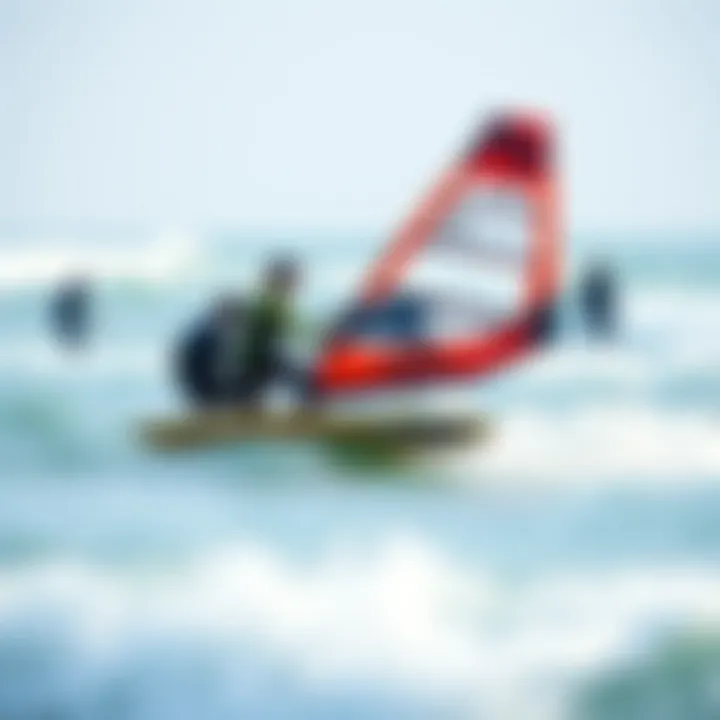
Understanding user experiences and feedback is crucial when evaluating any piece of equipment, especially something as nuanced as the Naish S26 Wing Surfer. Feedback from riders provides insights that go beyond manufacturer claims and technical specifications. It offers a glimpse into the real-world application of the gear, highlighting its pros and cons as seen by the users themselves. Through lessons learned from both beginners and seasoned professionals, potential buyers can better gauge what to expect and how to maximize their enjoyment on the water. This section will delve into beginner perspectives followed by insights from advanced users, painting a detailed picture of the Naish S26's viability in diverse scenarios.
Beginner Perspectives
For beginners stepping into the world of wing surfing, the Naish S26 can feel like a valuable ally. Many newcomers praise its ease of use, describing it as friendly and forgiving. It is designed to take the edge off the learning curve, a quality that can be critical when first learning to harness the power of the wind.
Several users within early-stage communities, like those on reddit.com, share their journeys about how the S26 enhanced their confidence. Here are some key takeaways from beginner experiences:
- Stability: Many users appreciate the S26's consistent lift, which makes for a smoother ride, reducing the jitters often felt during those initial sessions.
- Weight Capacity: The moderate weight and well-distributed surface area help beginners manage the wing easily, which is vital when figuring out their stance and balance on the board.
- Safety Features: Feedback also emphasizes the safety features that reassured the novices. This includes the brake system designed to prevent excessive speed or unwarranted crashes.
However, it’s not all sunshine and rainbows. Some novices express frustration with the learning curve of transitioning from standing to flying. This phase can be tricky, and the S26, while accommodating, may still take time to fully master.
Advanced User Reviews
As we shift focus to more experienced riders, feedback on the Naish S26 Wing Surfer often highlights the wing's overall performance and technical capabilities during high-stakes maneuvers. These users have pushed the envelope a bit more, testing the limits of the wing under various conditions. Their reviews shed light on nuances that beginners might overlook.
- Lift Efficiency: Advanced users consistently praise the wing for its impressive lift efficiency even in lower wind conditions. This characteristic allows riders to experience longer sessions without needing stronger winds.
- Dynamic Maneuverability: Many enthusiasts mention the wing's ability to perform sharp turns effortlessly, enhancing their overall experience in freestyle sessions. The S26's construction supports agility, which is vital for users who thrive on tricks and stunts.
- Durability Under Stress: Feedback also details how the wing withstands heavy usage — a critical aspect for dedicated riders. Its materials are noted to maintain integrity regardless of challenging conditions.
Despite these accolades, some experienced riders wish for a tad more in terms of speed and power in high-wind situations. While the Naish S26 does offer exceptional adaptability, personal preferences dictate that not all users will find it to meet the demands for racing.
Comparative Analysis with Other Wing Models
In the world of wing surfing, competition among various models and brands creates a rich tapestry of choices for riders. With an array of options available, understanding how the Naish S26 Wing Surfer stacks up against other wing models is crucial. This section dives into why a comparative analysis holds significance, revealing not just the performance features but also what sets the S26 apart in this bustling marketplace.
A well-rounded comparative analysis helps potential buyers weigh the pros and cons of different wings. When it comes to aspects like durability, handling, user experience, and adaptability to various conditions, knowing what the S26 offers compared to its rivals helps in making informed decisions.
Key Competitors in the Market
The competition is fierce, and while the Naish S26 Wing Surfer has carved out a niche for itself, several models stand toe-to-toe with it. Brands like Duotone and Cabrinha have developed strong contenders that merit attention.
- Duotone Unit - Features a versatile design geared toward different riding styles, allowing for a smooth transition between disciplines.
- Cabrinha Mantis - Praised for its speed and stability, this wing is noted for conducting well in lighter winds.
- Slingshot Rally - Known for its durability, this wing appeals to those looking for rugged performance in challenging conditions.
By investigating these key competitors—both in specific performance metrics and user reviews—users gain valuable insights into where the S26 shines or needs improvement.
Strengths and Weaknesses
Every piece of gear comes with its own set of strengths and weaknesses, and the Naish S26 is no exception. Understanding these attributes in relation to competitors can clarify the S26's place in the market.
Strengths:
- User-Friendly Design: It’s known for its intuitive handling; even beginners find it manageable.
- Lift and Stability: Riders frequently commend its ability to generate significant lift, making it suitable for various surfing styles.
- Durable Construction: Made with quality materials, the wing promises longevity and resistance to wear and tear.
Weaknesses:
- Price Point: Some users feel the S26 carries a premium price, which might not sit well with budget-conscious surfers.
- Weight Considerations: While the build is robust, some competitors offer lighter options, which can impact performance in very low winds.
Ultimately, comprehending both strengths and weaknesses becomes a significant aspect of deciding whether the Naish S26 aligns with the rider's needs and preferences. Through a thorough comparative analysis, one can appreciate the S26's unique advantages while acknowledging the areas it might not excel in relative to the competition.
Potential Use Cases for the S26 Wing Surfer
The versatility of the Naish S26 Wing Surfer makes it a remarkable choice for various riding styles, adapting to the needs of different riders. Understanding these potential use cases is crucial for anyone looking to maximize their experience and skill development. The right wing can facilitate significant progress in a rider's skills, from racing to freestyle and wave riding.
Race Competitions
When it comes to race competitions, the S26 Wing Surfer showcases its strength in speed and agility. Many competitors find that the lightweight design and strong frame contribute to exceptional performance. The lift provided by the S26 allows for impressive acceleration, allowing riders to gain an early lead.
The specific design characteristics, such as a larger wingspan and streamlined shape, enable the S26 to slice through water with minimal drag. Some key benefits for competition include:
- Enhanced speed: As the wind gets caught under the wing, it propels the rider forward with amazing speed.
- Predictable handling: Control is critical in competitive settings, and the S26 provides stable responses to adjustments, making quick adjustments seamless.
- Durability: Tough materials mean that it lasts through intense racing sessions, lessening the worry of wear and tear.
Freestyle Riding
Freestyle riding presents a unique set of challenges and requires a wing that responds well to agile movements and dynamic tricks. The Naish S26 excels in this arena, offering a combination of lift and weightlessness that enables riders to launch into the air with confidence. This can be vital for executing complex flips and spins.
In freestyle maneuvers, several features of the S26 stand out:
- Maneuverability: The balance of power and handling provides a responsive feel, allowing tricks to be initiated smoothly.
- Lift-to-drag ratio: The aerodynamic shape ensures that riders can spend more time in the air, increasing the chances of completing difficult tricks.
- Comfort: The design allows for easy transitions between tricks, helping to develop a rider’s flow without interruptions.
Wave Riding Applications
For wave riders, the Naish S26 Wing Surfer proves itself as a reliable companion. Riding the waves requires a distinct approach, as the wing must handle sudden changes in wind direction and ocean swell. This model accommodates varying wave types, from gentle swells to more formidable crests.
Key features that benefit wave riders include:
- Stability: The S26 offers a steady feel, which is crucial when navigating through tumultuous water.
- Responsive to gusts: Unlike heavier wings, the S26 reacts quickly to shifting winds, allowing for controlled rides.
- Improved upwind performance: The design allows riders to tackle waves effectively, providing a better return to the starting point after each run.
The Naish S26 Wing Surfer adapts to various use cases remarkably, proving its worth across racing, freestyle, and wave riding disciplines. Each application highlights its design philosophy and engineering prowess, catering to the evolving needs of riders.
In summary, the multifaceted capabilities of the S26 make it an incomparable asset for any rider, regardless of their preferred style. It stands as a testament to Naish's commitment to performance and innovation, truly enhancing the experience on the water.
Maintenance and Care for the S26 Wing Surfer
The significance of maintenance and care for the Naish S26 Wing Surfer cannot be overstated. This wing surfing apparatus, like any cutting-edge gear, relies on proper handling to ensure longevity and performance. Taking the time to clean, store, and inspect your equipment not only extends its lifespan but also enhances the overall riding experience by ensuring it performs optimally. When it comes to wing surfing, an ounce of prevention is worth a pound of cure, as neglect can lead to damage that might affect your ride and safety on the water.
Cleaning and Storage Guidelines
Proper cleaning and storage are pivotal for maintaining the S26 Wing Surfer's integrity. After each use, especially if you've been riding in saltwater or in conditions where debris may have contacted the wing, a thorough rinse with fresh water is crucial. This helps to remove salt, sand, and other contaminants that can corrode materials and affect performance. Here are some key steps to follow:
- Rinse Immediately: As soon as you're done riding, rinse the wing with fresh water to eliminate any salt or dirt. This small step pays off greatly over time.
- Dry on a Soft Surface: After rinsing, lay the wing flat or hang it to dry, avoiding abrasive surfaces that could scratch or damage it. Direct sunlight can also degrade the materials over time, so keeping it in a shaded area is preferable.
- Proper Folding: When it’s dry, store the wing carefully. Folding it correctly prevents unnecessary creasing and maintains the aerodynamic shape. Avoid rolling tightly, as this can cause stress on seams.
By following these guidelines, you not only preserve the function and look of your wing but also save yourself potential costly repairs down the line.
Inspecting for Damage
Regular inspections are an essential part of maintaining your S26 Wing Surfer. Riders often overlook this step in the excitement of hitting the waves. However, there are several types of damage to look out for before each session:
- Visual Checks: Look for punctures, tears, or fraying along the seams. Any noticeable imperfection can worsen if left unchecked, affecting lift and stability.
- Frame Integrity: Inspect the frame and struts to ensure they are pressure-sealed and without cracks. A compromised frame could lead to catastrophic failure while riding.
- Leading Edge and Trailing Edge: Run your fingers along the edges to feel for any rough spots or abnormalities which might indicate wear that could lead to a drop in performance.
"Routine checks and proper maintenance translate to years of enjoyable riding."
Incorporating these inspection habits into your routine is as vital as practicing your skills on the water. Don't let minor issues become major setbacks. Remember, treating your S26 Wing Surfer with respect ensures it will reciprocate with peak performance, keeping you safely soaring over the waves.
Environmental Considerations in Wing Surfing
With the rise of wing surfing as a thrilling pastime, it is only natural to ponder over the environmental footprint of this sport. It’s clear that enthusiasts are not just after adrenaline; there is a growing consciousness regarding ecological impacts. Understanding the implications of wing surfing is pivotal, considering that the ocean is home to delicate ecosystems. Sustainability, in this context, becomes more than a buzzword; it’s a critical approach to ensure that future generations can enjoy the waves without harm.
Sustainable Practices for Riders
As riders take to the water, they hold the power to influence how wing surfing coexists with the environment. There are several sustainable practices that can be adopted to lessen one's impact:
- Choose Eco-Friendly Gear: Select equipment that utilizes sustainable materials. Manufacturers increasingly offer wings made from recycled or low-impact materials. Keep an eye out for brands that prioritize environmental responsibility in their production processes.
- Adopt a Leave No Trace Ethos: After riding, it's essential to pick up any litter, not just your own. Plastics and other waste can severely harm marine life. A simple habit of keeping the beach clean can have a substantial effect.
- Practice Responsible Navigation: Steer clear of sensitive areas where marine wildlife is affected, such as breeding grounds. Familiarize yourself with local regulations regarding wildlife protections; adhering to these contributes to preserving the natural habitat.
- Support Local Conservation Efforts: Becoming active in local conservation initiatives not only fosters community but strengthens the bond with nature. Additionally, consider engaging in beach clean-ups or fundraising activities aimed at marine preservation.
"Taking care of the environment isn't just a duty; it's a privilege to ensure that the beauty we enjoy today lives on for tomorrow."
By fostering sustainable practices, riders contribute to a shared responsibility to maintain the health of oceanic environments. Every small action, when multiplied by the collective, can lead to significant positive changes in the world we cherish.
Impact of Wing Surfing on Marine Life
Wing surfing can bring joy, but it doesn't come without its consequences for marine ecosystems. Understanding these impacts informs better practices for enthusiasts:
- Disturbance to Wildlife: The sound and movement generated by wing surfers can disturb marine animals, particularly species like nesting sea turtles or resting seabirds. Awareness of proximity can help reduce this disturbance.
- Coral Reef Damage: While enjoying the sport, there is a risk of harming fragile coral reefs. Making a conscious effort to avoid shallow reef areas can play a crucial role in their preservation.
- Pollution through Gear: Surplus wear from equipment, especially inflatable surfaces, can lead to microplastic pollution in oceans. As these materials degrade, marine creatures may ingest them, impacting their health and the food chain.
- Invasive Species Spread: When gear is transported from one area to another, especially across borders, there remains a risk of introducing non-native species to new ecosystems. It's vital for riders to clean their equipment thoroughly before traveling to new waters.
Mitigating these impacts will require a concerted effort among riders and manufacturers alike. An increased recognition of the delicate balance in marine ecosystems can help strike a harmonious approach between wing surfing and environmental stewardship.
The End and Future Perspectives
Summarizing Insights on the S26 Wing Surfer
The Naish S26 Wing Surfer embodies a significant leap forward in wing surfing technology. Its design thoughtfully balances performance with accessibility, providing both seasoned riders and newcomers a robust platform to explore the waters. Highlighting its potential, the S26 boasts a unique combination of stability, responsiveness, and ease of use that transcends the norm, ensuring that every ride can be as exhilarating as it is instructional.
A critical aspect of the S26 is its adaptability. Whether you're racing against the wind or practicing your freestyle moves, the S26 accommodates a wide array of styles. Users have noted that it performs exceptionally well across different conditions, making it a versatile choice for diverse environments. Input from the community reports a less steep learning curve compared to other models, helping beginners feel at ease while offering advanced features that experienced riders appreciate.
To wrap up, the S26 Wing Surfer has sparked interest not just for its immediate performance, but also for its thoughtful manufacturing processes and commitment to sustainability. As kiteboarding gear evolves, the S26 sets a new benchmark not only for what can be achieved on the water but also for how we understand product life cycles in an increasingly eco-conscious market.
Looking Ahead: Trends in Wing Surfing
As we steer into the future of wing surfing, several trends appear poised to shape the landscape. First, advancements in materials technology are expected to improve durability and enhance performance metrics across the board. The evolution of lighter, stronger materials promises to change how both amateur and professional riders engage with the sport.
Environmental concerns will also shape the direction of wing surfing. As more riders seek eco-friendly options, brands like Naish are likely to lean into sustainable manufacturing processes. This includes selecting renewable resources and increasing the recyclability of their products. In that respect, we may witness a surge of innovations designed with the environment in mind, improving not just the performance but also the overall stewardship of our oceans.
Innovation is paramount; whether through enhanced designs or sustainable practices, the future of wing surfing will hinge on these core principles.
Furthermore, the growth of the digital community around wing surfing is notable. Online forums, social media platforms, and video-sharing sites provide ample avenues for riders to share tips, tricks, and experiences. As technology progresses, we could see augmented reality tools aiding in training, or new apps tracking performance metrics in real-time, granting insights to enhance each ride.