Mastering Live Weather Radar for Kiteboarding in New Smyrna Beach
Intro
Kiteboarding in New Smyrna Beach can feel like embracing the ocean breeze while dancing on waves. But anyone who’s dipped their toes—or kites—into this thrilling sport knows that wind and weather are your best friends and worst enemies. Getting acquainted with live weather radar isn't just for meteorologists; it’s an essential tool for kiteboarding enthusiasts. Making sense of the data presented can reshape your time on the water, infusing both safety and excitement into your sessions.
In this guide, we’ll dive deep into the nuances of live weather radar specific to this Floridian gem. We’ll tackle everything from understanding wind patterns that are crucial for kiteboarding to interpreting local forecasts accurately. This foray extends beyond mere numbers on a screen; it’s about knowing how to harness this information to maximize your kiteboarding experience.
So, who should pay heed to this information? If you are a kiteboarder, instructor, event organizer, or just someone fascinated by the windswept waves, you’re in the right place. The ocean’s mood can change faster than you can say ‘kite,’ so let's help you prepare!
Gear Selection
Equipping yourself with the right gear is of paramount importance. While windy conditions fuel your kiteboarding adventure, your gear can make or break your experience.
Types of Kites
When it comes to kites, there are a few varieties—each is tailored to different wind ranges and rider skill levels. Here’s a closer look:
- Inflatable Kites: These are versatile and great for both beginners and seasoned riders. They offer good stability and are generally easier to relaunch.
- Foil Kites: Primarily used for light winds, foil kites can be complex to operate but provide a rewarding experience.
- Bow Kites: Known for their power and stability, these are suitable for various skill levels, allowing for great performance in both low and high winds.
Selecting the right kite can be gazing at a weather radar screen and deciding whether to fly high or keep things low. The perfect fit usually depends on your weight, skill level, and the forecasted wind conditions. Aim for a sweet spot where you feel comfortable yet challenged.
Choosing the Right Board
Just as crucial as your kite is your choice of board. Boards vary significantly, and selecting one that aligns with the conditions in New Smyrna Beach enhances your ride:
- Twin Tip Boards: These are the most common and user-friendly type, perfect for most kiteboarding conditions.
- Directional Boards: These are often favored by wave riders for their ability to maneuver in ocean swells but require a bit more skill.
- Lightwind Boards: Ideal for flat water conditions where you need that extra pop in light winds but may not offer the same speed in higher winds.
A few pointers when choosing your board would be to think about your skill progression. A board that feels right on your feet and suits the typical conditions you encounter can boost not only your rides but your confidence as well.
As we set the stage for the next section, keep in mind that understanding your equipment is the first step to reading the radar effectively.
"Staying informed about the wind is like holding a map in a treasure hunt; it guides you to the gold, safely and soundly."
By knowing your gear inside out, you'll be more prepared for the weather patterns that come your way in New Smyrna Beach.
Preface to Live Weather Radar
In the realm of kiteboarding, understanding the weather means the difference between a thrilling ride and a perilous disaster. That's where live weather radar comes into play. This technology is fundamental not just for kiteboarders but for anyone engaging in water sports at New Smyrna Beach. From wind patterns to storm systems, live weather radar provides real-time data that can significantly enhance the kitesurfing experience.
The real draw of live weather radar is its ability to furnish precise updates about atmospheric conditions. Kiteboarders rely heavily on wind speed and direction to determine when and where to hit the waves. A gust too strong can pull a rider off balance, while too little wind can leave them stranded. Thus, radar systems that offer timely insights into these elements can keep kiteboarders well informed, allowing them to make smarter choices on the water.
Overview of Weather Radar Technology
Weather radar technology has evolved tremendously over the years, yet its core function remains the same: monitoring and interpreting the atmosphere. The radar emits pulses of microwave energy, bouncing them off precipitation droplets and sending the data back to the radar system. This allows not only the detection of rainfall but also the analysis of wind patterns and storm movements.
In practical terms for kiteboarders, this translates to visual images on screens that provide an instant view of weather systems nearby. Intuitive color coding indicates precipitation intensity, while overlay maps show wind patterns across various altitudes. Being able to interpret these images quickly can help a kiteboarder decide whether it's safe to launch or if it's best to postpone their adventure.
Importance for Outdoor Activities
Understanding live weather radar isn't merely optional for kiteboarding; it should be considered a non-negotiable tool for any serious enthusiast. The outdoors can be unpredictable, and failure to recognize changing conditions can lead to unfortunate accidents. Live weather radar assists in mitigating these risks by providing real-time weather updates that allow for timely decision-making.
Outdoor activities, particularly those dependent on wind and weather conditions, demand adaptability. Here are some elements illustrating this:
- Safety First: Access to accurate weather information can prevent kiteboarders from facing hazardous conditions.
- Maximized Enjoyment: Optimal weather means enhanced fun. A clear understanding of the surroundings leads to better experiences on the water.
- Community Insights: Engaging with local kiteboarding communities allows enthusiasts to share live updates and tips, creating a safety net of information.
When kiteboarders tap into live weather radar for their adventures, they not only safeguard their own experiences but also contribute to the larger kiteboarding community by sharing useful information with others. In the unpredictable dance of wind and waves, staying informed is the best way to enjoy the ride.
New Smyrna Beach: A Kiteboarding Hub
New Smyrna Beach stands as a beacon for kiteboarding enthusiasts, roughly twelve miles of scenic coastlines hugging the Atlantic. This spot isn’t just about beautiful views; it’s where wind and water converge to create a paradise for kiteboarders of every skill level. Understanding why this locale is a kiteboarding hub requires digging into both the geographical advantages offered and the robust local kiteboarding community that flourishes here.
Geographical Advantages
Nestled along Florida's central east coast, New Smyrna Beach has unique geographical elements that cater perfectly to kiteboarding. The coastal landscape is characterized by long, sandy beaches and shallow waters, making it a playground for both beginners and experienced riders. Here’s what sets it apart:
- Consistent Winds: The prevailing east and southeast winds provide reliable conditions for kiteboarding. During the summer months, these breezes create ideal lift and control for riders. Winds range from ten to twenty-five knots, hitting a sweet spot for both novices figuring out the ropes and pros performing stunts.
- Expansive Launch Areas: The wide-open beaches allow for spacious take-offs and landings, lessening crowded conditions. Local rules often encourage designated zones to ensure safety while kiteboarding, allowing participants to enjoy their rides without feeling cramped or compromised.
- Flat Water and Wave Options: The intracoastal waterways often remain calmer than the ocean, making for excellent flat-water conditions ideal for learning and practicing new tricks. If a kiteboarder craves a challenge, just a short distance away, they can find the surf of the Atlantic.
Each of these features contributes to New Smyrna Beach’s reputation as a kiteboarding hotspot. Riders can easily switch between different waters and wind conditions, creating a rich and varied experience in a single session.
Local Kiteboarding Community
What truly makes New Smyrna Beach a kiteboarding hub is its thriving local community. It’s not just a place to ride; it’s a cultural melting pot where enthusiasts gather.
- Kiteboarding Schools and Shops: The presence of numerous local schools, like the New Smyrna Beach Kiteboarding School, provides excellent instruction for newcomers. Equipment rental shops also ensure that those traveling can partake, keeping the community vibrant and diverse in skill levels.
- Events and Competitions: Throughout the year, various competitions and meet-ups take place. These events draw in participants from around the region, fostering camaraderie and healthy competition. One can often find community members sharing tips or encouraging each other while chasing the wind.
- Online Forums and Social Media Groups: Platforms like Facebook and Reddit have dedicated groups for New Smyrna Beach kiteboarders where enthusiasts exchange advice, organize events, or simply share their most recent rides. These interactions enhance the sense of belonging and motivate newbies to jump into the sport.
"It's not just about flying a kite; it's about the community that lifts you up as you soar."
The synergy of supportive locals and the presence of consistent conditions make New Smyrna Beach an ideal kiteboarding destination. It’s a place where the wind meets the water and the community welcomes you with open arms.
Understanding Weather Patterns
Understanding weather patterns is a cornerstone of successful kiteboarding. Kiteboarders, whether seasoned or new to the sport, rely heavily on accurate weather information to navigate their ambitions safely. Knowledge of wind and rain can mean the difference between a thrilling day on the water and a harrowing experience. By grasping how local weather systems impact conditions at New Smyrna Beach, enthusiasts can significantly enhance their kiteboarding experience.
Wind Dynamics in Coastal Areas
When it comes to kiteboarding, wind is king. In coastal areas like New Smyrna Beach, wind patterns can be unpredictable, shifting with surprising speed and intensity. The wind here is influenced not only by the Atlantic Ocean but also by local geography, including the layout of the shoreline and the presence of structures like buildings and trees.
- Local Thermal Winds: During the day, the sun heats the land quicker than the sea. This creates a pressure difference, leading to coastal breezes that can ramp up the excitement on the water. In New Smyrna Beach, these thermal winds can kick in around mid-morning and persist until late afternoon.
- Sea Breezes: Similarly, sea breezes, which occur when cooler air from over the ocean moves inland to replace rising warm air, can also play a crucial role. As the shoreline heats up, expect the sea breeze to become increasingly steady, making it an ideal time for kiteboarding.
- Local Topography: It's not all smooth sailing, however. New Smyrna Beach’s unique geographical features can create wind shadows—areas where buildings or trees block or redirect wind. Understanding these regions can help kiteboarders avoid sudden changes in wind conditions, which may lead to accidents.
"Knowledge is power, at least in kiteboarding. Know your winds to ride the waves with confidence."
Always take the time to check out local weather forecasts and radar maps that detail wind speed and direction before hitting the surf. Additionally, consulting local kiteboarding communities—like those on Facebook or Reddit for New Smyrna Beach—can give you real-time insights from other adventurers.
Precipitation Trends for Kiteboarding
While wind is the most critical factor, precipitation also can impact kiteboarding significantly. Understanding local rainfall patterns will help you plan accordingly. Here’s what you need to consider:
- Seasonal Rainfall: New Smyrna Beach experiences a tropical climate, which means it has distinct wet and dry seasons. Knowledge of these patterns can help kiteboarders decide the best times for their activities. Typically, summer brings more chances of storms, often developing in the late afternoon. These can bring gusty winds and unpredictable conditions.
- Short-lived Showers: Interestingly, summertime showers can be brief but intense. The good news is that they usually give way to clearer skies and freshened winds shortly after. Nevertheless, hurricane season, peaking between August and October, requires extra caution. Monitoring weather updates and understanding any advisories can keep kiteboarders safe.
- Utilizing Radar Data: Access to live radar data can provide vital information about incoming rain. Being able to spot emerging precipitation and potential storm cells is an invaluable skill. Websites and mobile apps dedicated to weather tracking become essential tools for kiteboarders to stay ahead of shifting conditions.
In summary, an informed kiteboarder must understand weather patterns well. By familiarizing yourself with local wind dynamics and precipitation trends, gear up to take full advantage of New Smyrna Beach's prime kiteboarding conditions. With this knowledge, you’ll be prepared to make the most of your time on the water, ready to ride the winds and waves safely and effectively.
How to Access Live Weather Radar Data
Accessing live weather radar data is crucial for kiteboarding, especially in a region like New Smyrna Beach, where conditions can change in the blink of an eye. Kiteboarders rely heavily on accurate and real-time weather information to plan their sessions, avoid unfavorable conditions, and enhance their overall experience on the water.
Popular Weather Radar Websites
When searching for reliable live weather radar, several key websites stand out. Here are a few that kiteboarders regularly consult:
- Weather.com: Known for its user-friendly interface, this site hosts comprehensive radar images and detailed forecasts. You can pinpoint New Smyrna Beach to view localized weather patterns.
- AccuWeather: This website not only provides radar data but also offers minute-by-minute precipitation forecasts, which can be vital for planning a kiteboarding session.
- Wunderground: With one of the most interactive maps, Wunderground enables users to see not only weather radar but also community-sourced weather reports, providing a layered perspective on conditions.
- NOAA: The National Oceanic and Atmospheric Administration offers in-depth radar imagery and specialized coastal weather information, making it a trusted source among serious kiteboarders.
Using these websites, you can gather vital information on wind speed, direction, and precipitation, which is essential for making informed decisions while kiteboarding.
Mobile Apps for Real-Time Updates
In today’s fast-paced life, having access to live weather radar on-the-go is a game changer for kiteboarding enthusiasts. Here are several beneficial mobile apps:
- Windy: With detailed wind forecasts, satellite imagery, and customizable options, Windy stands out. It provides real-time updates and lets you visualize wind patterns over maps.
- KiteBuddy: A kiteboarding-specific app that includes local weather radar, it offers tailored forecasts based on your preferred riding spots, making it easier to plan your day.
- MyRadar: This user-friendly app gives quick access to radar data and alerts for severe weather. It helps kiteboarders stay informed, even while they’re on the water.
- RadarScope: Designed for serious weather enthusiasts, it allows users to view professional-grade radar imagery, including storm tracking, which can be important for kiteboarding safety.
These applications put weather data at your fingertips, allowing for quick checks before heading out and providing peace of mind in rapidly changing conditions.
Staying connected to the latest weather updates can be the difference between a thrilling day on the water and a frustrating experience.
In summary, knowing how to access live weather radar data, whether online or through mobile applications, can significantly influence the quality and safety of your kiteboarding experience in New Smyrna Beach. Taking advantage of these resources helps kiteboarders stay informed, ensuring their outings are fun and safe.
Interpreting Weather Radar Images
Interpreting weather radar images is crucial for kiteboarders who want to harness the wind while ensuring their safety on the waters of New Smyrna Beach. For anyone passionate about kiteboarding, the ability to read these images can be the difference between a fun day out and a harrowing experience.
Understanding Radar Returns
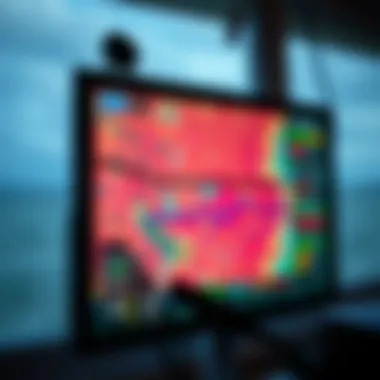
Radar returns depict echoes that are vital for understanding storm patterns and precipitation in an area. When radar waves bounce off moisture in the air, they send back signals that are converted into colors on the radar image. For example, a bright red or purple area signifies intense precipitation, while green typically indicates lighter rain.
Understanding these returns correctly provides kiteboarders with insights into what the weather is doing and how it is likely to change. When you look at a radar image, the most critical aspect to consider is the movement and strength of these echoes. If the red area is advancing towards the beach, it might not be a good time to hit the waves. Conversely, if the radar shows mostly clear patches, it might present a golden opportunity to set up your gear and go for it.
To effectively read radar returns, keep these tips in mind:
- Observe the colors: Familiarize yourself with the color code typically used on radar images. This will help you assess the severity of the weather quickly.
- Check the movement: Look for arrows indicating the direction of storm movement. Wind direction can help in anticipating upcoming changes in conditions.
- Temporal analysis: Compare current images with previous ones to see how fast the weather is evolving. This is essential, especially if you plan a long session on the water.
"The more you understand the radar returns, the better your choices and safety will be on those thrilling kiteboarding days!”
Reading Wind Speed and Direction
Wind is the life-blood of kiteboarding. Without it, kiteboarding becomes impossible. That’s why interpreting wind speed and direction is vital. On many weather radar platforms, you’ll find information about wind speeds and their directions integrated into images or available alongside them.
Typically, wind speed is also depicted using arrows that show not only direction but also strength through the thickness or color of the arrows. Being able to accurately assess wind conditions can immensely shape your experience on the water. For instance, if you notice strong, steady winds coming from the east on your radar, and you’re geared up for that direction, you’re set for a spectacular session.
Here are some points to consider:
- Measure the Wind: Confirm the wind speed with local forecasts. Sometimes, radar data might not fully match real-time conditions, especially if you’re not in the thick of the storm.
- Understand the shifts: Wind tends to shift; being able to spot these changes early through radar images is key. They can drastically affect how you navigate the waters.
- Local knowledge plays a role: Speak to local kiteboarders about typical wind patterns. Combine this insight with radar data for better prediction.
Overall, being adept at interpreting radar images not only enhances your kiteboarding experience in New Smyrna Beach but also is a crucial skill that ensures safety on the water. With a little practice, kiteboarders can become adept at reading the skies through radar, propelling them into more thrilling and safe adventures.
Case Studies: Wind Conditions on Recent Weekends
Understanding the wind conditions on recent weekends in New Smyrna Beach gives kiteboarders a distinct edge. By analyzing specific days, kiteboarders can recognize patterns that might help them choose when to hit the waves. Wind is, after all, the lifeblood of kiteboarding; without it, those colorful kites remain grounded, much to the dismay of enthusiasts.
Analyzing Successful Kiteboarding Days
Successful kiteboarding days often reveal a wealth of information for those eager to learn. Let’s break down a few standout weekends.
- April 15-16, 2023: This particular weekend was marked by steady winds averaging around 15-20 mph. Enthusiasts flocked to the beach, and the atmosphere buzzed with excitement. The weather radar indicated a consistent wind direction from the east, leading to ideal conditions for tricks and jumps.
- May 6-7, 2023: Contrarily, this weekend showcased the effects of a shifting front. Wind speeds fluctuated wildly, ranging from as low as 5 mph to gusts of 25 mph. Many kiteboarders who ventured out found themselves grappling with unpredictable conditions. Some experienced challenges with controlling their kites, while others ended up waiting on the sand for the wind to settle down.
- Key Takeaway: Consistent wind velocity with a clear direction is a kiteboarder's best friend.
- Key Takeaway: Observing early radar interpretations can save both time and frustration by notifying users of variable conditions ahead.
These analyses not only highlight how certain conditions lead to thrilling kiteboarding experiences but also underscore the necessity of closely monitoring the weather. Kiteboarders must cultivate a discerning eye for optimal conditions rather than simply relying on a general forecast. Staying informed enhances enjoyment and safety.
Understanding Poor Conditions
On the flip side, understanding when conditions are not conducive to kiteboarding is equally important. Recent weekends that showcased poor wind conditions can help illuminate potential pitfalls.
- March 24-25, 2023: Wind speeds hovered around 3-6 mph, which, as any seasoned kiter knows, does little to get a kite airborne. Despite a bright sun and clear skies, the beach was noticeably quieter. Those who ventured out quickly realized their kites would remain grounded.
- January 14-15, 2023: A cold front brought strong winds, but gusts reached upward of 30 mph. Many kiteboarders who did try to paddle out faced extremely challenging conditions and struggled against the fierce gusts. Some experienced their kites diving or slipping from control, which only serves to amplify the risks.
- Key Insight: Recognizing low wind days can save kiteboarders from disappointment, a useful data point for future excursions.
- Key Insight: Keeping an eye on not just the speed, but the gust dynamics is key; those rapid shifts can turn a good day into a risky one.
Understanding these factors fosters a deeper comprehension of kiteboarding dynamics in New Smyrna Beach. The ability to deconstruct these case studies empowers kiteboarders to make informed decisions based on real experiences, ensuring not only enjoyment but increased safety on the water.
Safety Considerations While Kiteboarding
Kiteboarding, while exhilarating, is not without its risks. Understanding safety considerations can significantly enhance the enjoyment of this sport. By recognizing dangerous weather signs and being prepared for emergency situations, kiteboarders can ensure their adventures remain thrilling yet safe. This section will delve into those crucial aspects that can make all the difference.
Recognizing Dangerous Weather Signs
When you’re out on the water, the weather can change quicker than a cat can lick its ear. As a kiteboarder, knowing how to spot worrying weather conditions is vital. Here are some signs to watch out for:
- Sudden Wind Changes: If the wind suddenly picks up or shifts direction, it can signal an incoming storm. Pay close attention to shifts in wind speed and direction.
- Cloud Formation: Dark clouds rolling in can often indicate rain or thunderstorms. Watch out for shelf clouds or towering cumulus clouds, as they commonly herald severe weather.
- Lightning: Even if you're miles away from the storm, lightning can be deceptively unpredictable. If you see lightning flashes in the distance, it's time to pack up and head for the shore.
- Drop in Temperature: A sudden drop in temperature can signal an approaching front, which might bring adverse weather. Keep an eye on your surroundings – if you feel the air getting chillier, consider seeking shelter.
Being aware of these signs is not just about staying dry; it's about keeping yourself safe on the water.
Preparing for Emergency Situations
Even with the utmost precautions, emergencies can and do occur. Being prepared can mean the difference between a minor inconvenience and a major ordeal. Here are tips to ensure you're ready:
- Have a Checklist: Before heading out, go through a safety checklist. This should include having your kite in good condition, safety gear like a helmet and harness, and communication devices.
- Buddy System: Whenever possible, don’t kiteboard alone. Having a partner means assistance is there if you need it. Agree on a plan in case of emergencies.
- Know the Local Area: Familiarize yourself with the shoreline and potential hazards. Knowing where to go for shelter can save crucial time.
- Emergency Gear: Keep a basic emergency kit on your board or in your vehicle. Items could include a first aid kit, a whistle, and a flare gun.
**"Preparation is key. It’s not just about dodging the rain; it’s about making sure you get back safely, no matter what."
- Stay Informed: Use live weather radar to track conditions before and during your kiteboarding session. This allows you to make informed decisions based on real-time data.
Taking the time to recognize weather signs and prepare for emergencies can create a safer kiteboarding experience in New Smyrna Beach. The thrill of the wind and water is best enjoyed when safety is prioritized.
Future Trends in Weather Radar Technology
The world of weather forecasting is continually evolving, with significant implications for kiteboarding enthusiasts in New Smyrna Beach. Understanding future trends in weather radar technology is essential, as these advancements can lead to improvements in safety and performance while engaging in this exhilarating sport. As kiteboarders, having access to accurate and real-time weather data can often mean the difference between a delightful day on the water and a harrowing experience. This section delves into key developments on the horizon that promise to refine how we interact with weather radar.
Advancements in Accuracy and Accessibility
Precision in weather forecasting has historically been a moving target, but recent advancements are making accuracy a more tangible reality. For kiteboarders, knowing the exact wind speed and direction can dramatically influence planning a day on the water. The integration of higher-resolution radar systems is one significant trend. These systems enable meteorologists to capture data at smaller geographic scales. For instance, if earlier radar systems provided a broader picture of weather patterns, modern iterations can zoom in on localized conditions, offering insights specific to spots popular for kiteboarding around New Smyrna Beach.
Moreover, the rise of machine learning algorithms is enhancing how weather data is interpreted. As more data becomes available, these algorithms can analyze and predict weather patterns with increasing precision. The benefit? Kiteboarders can expect more reliable forecasts tailored to the specific conditions they’ll face during their outings. This is particularly vital for sport enthusiasts who thrive on windy days, maximizing their time on the water while minimizing risks associated with unexpected weather shifts.
Here are a few noteworthy trends in accuracy and accessibility:
- Localized Forecasting: New radar systems aim to better serve localized communities, delivering weather data specific to kiteboarding locations.
- Rapid Data Transmission: Enhanced communication technologies ensure that updates are swift and that kiteboarders receive the latest information instantly.
- Real-Time Radar Imagery: Instant access to weather radar imagery allows enthusiasts to make informed decisions while on the go. Accessing weather apps while at the beach can help you adapt your plans dynamically.
"With these advancements, kiteboarding enthusiasts will no longer be at the mercy of general weather forecasts; instead, real-time localized data will empower safer and more enjoyable experiences on the water."
Integration with Other Technologies
The future of weather radar doesn’t just rest on enhancements within the radar systems themselves; it extends to how these systems interact with other technologies. Innovations like smartphone technology and the Internet of Things (IoT) are playing pivotal roles in how kiteboarders access and utilize weather data.
Mobile applications have become the go-to for quick weather checks. Some of these apps are becoming increasingly sophisticated, linking directly with live weather radar feeds. They can push notifications regarding sudden weather changes, helping kiteboarders avoid dangerous conditions. Imagine getting an alert while you’re ready to launch your kite that warns of gusty winds or approaching thunderstorms. This level of connectivity can save lives and enhance the kiteboarding experience drastically.
Another trend is the integration of weather radar data with social media platforms. Enthusiasts can share live updates about conditions, contributing to a communal knowledge base. Facebook groups and Reddit threads can facilitate real-time discussions, making it easier for kiteboarders to plan outings based on collective insights.
Furthermore, wearables and drones are beginning to transform how users engage with weather data. Some devices can even provide wind readings and other conditions right from the water. As these technologies improve, kiteboarders could have access to a combination of real-time statistics, remote sensing, and analytics.
Closure and Final Thoughts
As kiteboarding enthusiasts, our enjoyment of the sport is intricately tied to the weather. A solid understanding of live weather radar is therefore essential. This article illustrated how accurately interpreting weather data not only enhances performance but also ensures safety. Knowledge of wind patterns, precipitation, and local forecasts can make or break a day on the water. Kiteboarding isn’t just about riding those waves; it’s about reading the sky and predicting the conditions. When we grasp the nuances of radar technology, we become active participants in our kiteboarding experience.
The Role of Weather Awareness in Kiteboarding
Being aware of the weather affects every decision we make while kiteboarding. From choosing the best time to hit the water to understanding when to pack it in, our safety and enjoyment hinge on this awareness. Here are some key points:
- Wind Forecasts: Knowing when the wind will pick up or die down can lead to better adventures. You can forecast your kite’s performance, predicting how high you'll jump or how far you’ll glide.
- Temperature Awareness: Wind chill can change quick. It’s vital to monitor changes that might affect comfort and safety.
- Storm Pattern Recognition: Spotting storms early is non-negotiable. Radar can show you looming rain and rough conditions ahead of time, allowing you to steer clear of danger.
Understanding weather patterns isn’t merely an option; it’s essential for anyone keen on kiteboarding in New Smyrna Beach. When kiteboarders remain alert to the forecast, they not only make safer choices but also embrace more fulfilling sessions on the water.
Encouragement to Utilize Radar Data
Embracing technology brings an edge to our kiteboarding experiences. Live weather radar data won’t just make you a better kiteboarder; it will revolutionize how you approach the sport. Here’s why:
- Accessibility: Nowadays, weather radar is at our fingertips. Many smartphones and devices provide instant updates and alerts. Apps like Windy and Windy.com enable kiteboarders to keep tabs on real-time conditions.
- Detailed Insights: Unlike simple forecasts, radar data offers a detailed look at wind direction and speed shifts, precipitation chances, and even temperature fluctuations. It’s like having a personal weather assistant!
- Community Sharing: Many local kiteboarding groups share their findings and insights online. Platforms like Facebook or forums on Reddit become gold mines for understanding local conditions.
Using radar data is about empowerment. By regularly checking and interpreting these tools, kiteboarders can transcends routine and daringly make the most of every gust of wind.