Essential Guide to Kitesurfing Gear and Safety


Intro
Kitesurfing is more than just a thrilling water sport; it’s a blend of culture, technique, and innovation. As this exciting activity captures the hearts of many, understanding the essential components of kitesurfing sets becomes crucial for both new enthusiasts and seasoned riders. With a potpourri of options available today, selecting the right gear isn’t just about performance— it's about safety, adaptability, and enhancing your enjoyment of the water bounty.
In this guide, we'll explore the nitty-gritty of kitesurfing sets. From picking the right kite and board to honing your skills and understanding the industry’s latest advancements, our comprehensive overview will equip you with the knowledge needed for an unforgettable kitesurfing experience.
Gear Selection
Selecting the appropriate gear can feel overwhelming at first glance. However, breaking it down into manageable pieces will make the process much simpler.
Types of Kites
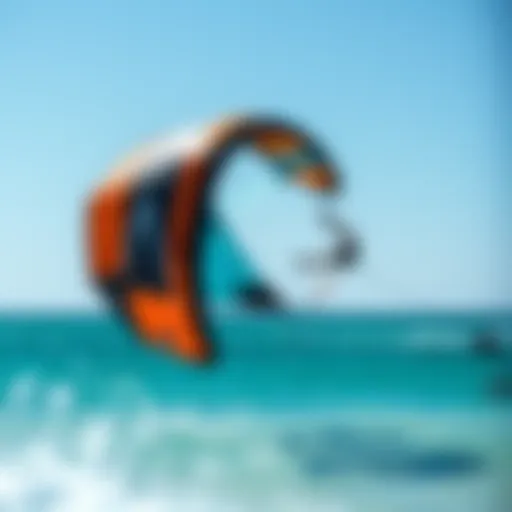
Kites are the heart and soul of kitesurfing, and they come in various shapes and sizes, each tailored for different conditions and riding styles. Generally, kites can be categorized into three main types:
- Foil Kites: These kites are designed for efficiency in light winds and provide a smooth ride. They inflate with air and can be used in various conditions, making them versatile.
- Leisure Kites: Perfect for beginners and casual riders, these kites are user-friendly and stable, helping newcomers get accustomed to kitesurfing.
- C-kites and Bow Kites: Common among more experienced riders, these kites offer greater control and power, making them ideal for tricks and high-performance riding.
Choosing the Right Board
While the kite gets you up in the air, the board is your trusty steed. Selecting the right board depends on your weight, the type of water you'll be riding, and your skill level. Broadly, boards can be divided into:
- Directional Boards: These are often used in waves, featuring a surfboard style that allows for smooth carving.
- Twin-Tip Boards: More common among freestyle riders, twin-tips are symmetrical and can be ridden in either direction, offering flexibility.
- Foil Boards: An emerging trend in the sport, foil boards lift above the water, enabling thrilling speeds and a unique riding experience.
Skill Development
Gaining confidence on the water is a gradual process. As you gather gear, focus needs to shift towards sharpening your skills.
Essential Techniques
Understanding basic techniques is vital for every aspiring kitesurfer. Here are a few key elements:
- Body Positioning: Keeping your body correctly aligned can greatly affect your balance and control.
- Edge Control: Learning how to edge your board prevents falls and increases speed.
- Wind Awareness: Reading the wind patterns helps you anticipate changes while riding, crucial for safety.
Progression Tips
Advancement in kitesurfing involves more than just practice. It's important to regularly assess your progress. Here are some suggestions:
- Take Lessons from Certified Instructors: Whether you’re a beginner or seeking to refine your skills, lessons can provide valuable insights.
- Set Clear Goals: Determine what you’d like to achieve, whether it’s learning a new trick or navigating challenging waters.
- Join a Community: Engaging with fellow kiteboarders can be encouraging. Sharing experiences and tips fosters growth and motivation.
"Kitesurfing is not just about the ride, but about the journey to mastery. Every small step brings you closer to the waves."
Navigating the world of kitesurfing sets may appear daunting at first, yet with a sound understanding of equipment and skill development, you will find the joy of gliding over the waves and soaring through the air begins to come naturally. In our forthcoming sections, we will delve even deeper into maintenance practices and emerging innovations in this exhilarating sport. Stay tuned!
Prologue to Kitesurfing
Kitesurfing, where wind, water, and skill intertwine, is not merely a sport but an exhilarating blend of art and science. This introduction sets the stage for understanding the essence of kitesurfing, emphasizing its relevance in the broader spectrum of water sports. The importance of grasping the fundamentals of kitesurfing cannot be overstated, as it serves as a launching pad into this adrenaline-pumping pastime. Like riding a bike, once you know the ropes, it feels like second nature, yet it requires some serious dedication to master.
When starting out, a balanced understanding of equipment, technique, and safety protocols can make a world of difference. Ignorance in any of these areas can lead to frustration, or worse, accidents. Therefore, familiarizing oneself with the intricacies of kitesurfing not only enhances enjoyment but also prioritizes safety, encouraging a culture of responsibility among practitioners.
Understanding Kitesurfing as a Sport
Kitesurfing is not just about being pulled along by a kite and cruising on water; it’s also a gateway to a lifestyle filled with community and adventure. The sport combines aspects of surfing, windsurfing, and paragliding, creating a unique niche that attracts thrill-seekers and leisure enthusiasts alike. From beginners to seasoned experts, kitesurfing offers a spectrum of experiences, making it accessible to a wide range of ages and abilities.
As a sport, kitesurfing fosters individuality and personal expression. Each rider has their own style, influenced by skill level, environmental conditions, and personal preference. Whether carving through the waves or soaring high in the air, the sport encourages practitioners to push their limits. Moreover, it also builds camaraderie among participants, as they often share tips and bond over shared experiences on the water.
The Evolution of Kitesurfing Gear
To truly appreciate the current state of kitesurfing, one must look back at the evolution of its gear. It wasn’t long ago when kitesurfing emerged as a sport in the early 1990s, characterized by rudimentary equipment that lacked the advanced technology available today. Early kites were cumbersome and difficult to control, leading to a steep learning curve for novices.
Fast forward to modern times, and technological advancements have transformed kitesurfing gear drastically. The design of kites has evolved to include various shapes and sizes tailored to different wind conditions and rider preferences. Materials have become lighter and more durable, improving performance and safety. Today’s control bars and lines are engineered for precision, providing enhanced stability and control, encouraging even the most cautious individuals to take the plunge into this invigorating sport.
The range of options available now means that both beginners and experienced riders can find a set that suits their individual needs and enhances their kitesurfing experience. With each improvement in gear, kitesurfing not only becomes more enjoyable but also more accessible, setting the scene for a thriving global community.
"Kitesurfing is a dance with the wind, a partnership that evolves with every gust and wave."
Through this guide, readers will navigate the complexities of kitesurfing sets, unraveling the threads that bind together equipment choice, maintenance, and safety. Each section will delve deeper, ensuring that enthusiasts at any level are prepared to enjoy their time on the water.
Components of a Kitesurfing Set


Kitesurfing is not just a hobby; it's an exhilarating sport that combines elements of surfing, windsurfing, and gymnastics all rolled into one high-octane experience. Understanding the components of a kitesurfing set is crucial for both novice and seasoned kiteboarders alike. Each piece of gear is designed meticulously to enhance performance, safety, and enjoyment on the water. Before diving into the waves, it's wise to be quite familiar with your gear. Here are the pivotal elements that make up a kitesurfing set and why they are essential for an optimal experience.
Kite Types and Sizes
When it comes to kitesurfing, the kite is the heart and soul of your setup. Just as a chef needs the right knife, a kiteboarder needs the correct kite. Kites come in various shapes and sizes:
- Delta Kites: Known for their stability, making them a sweet choice for beginners.
- C-Shaped Kites: Offer powerful boosts and precise handling for those looking to show off jumps and tricks.
- Bow Kites: Provide excellent depower capabilities, which can be a life-saver in gusty conditions.
Size matters intriguingly too. A larger kite captures more wind, helpful in lighter winds but can be challenging to manage in higher winds, while smaller kites are favored in strong conditions. Picking the right kite size is rooted in an understanding of your weight, skill level, and local wind conditions.
Control Bar Specifications
The control bar is where the magic happens – it's your primary interface with the kite. It allows you to control not only the kite's direction but also its power. Here are some specs to consider:
- Width: A wider bar gives you greater leverage, which can be particularly advantageous when controlling larger kites.
- Line Length: Usually ranges from 20 to 27 meters. Longer lines can give you a higher perspective, but may reduce control, whereas shorter lines can enhance maneuverability.
- Safety Systems: Every good control bar should come equipped with a reliable safety release mechanism. In sticky situations, you want to ensure you can easily detach yourself from the kite.
Kitesurfing Boards
The board is your ride, and its characteristics will significantly impact your speed and handling. Different boards cater to varying styles and conditions:
- Directional Boards: Great for waves and downwinders, these boards excel in surf conditions. They tend to have a longer design aiding in stability.
- Twin Tip Boards: Perfect for freestyle kitesurfing, these boards are symmetrical, allowing riders to ride in either direction. They are versatile and easy for those starting.
- Foil Boards: An innovative choice for lighter winds, these boards lift off the water, giving you a smooth ride above the surface. This type takes a bit of getting used compared to traditional boards, but worth the learning curve.
Harness Options
A harness is more than a just a safety belt; it’s crucial for comfortably connecting your body to the kite's power. There are primarily two types:
- Waist Harness: This option sits higher on your body and allows more freedom of movement. Ideal for tricks where agility is a priority.
- Seat Harness: Offers more support for your lower back, making it a good option for beginners or those looking for a more comfortable ride in choppy waters.
Selecting the right harness involves trying on a few until you find one that feels snug without restricting movement, it should ideally fit as naturally as your favorite pair of jeans.
Understanding these components will serve as a solid foundation in kitesurfing. Whether you're gearing up to ride for leisure or to step up your skills, mastering the intricacies of your equipment ensures that you remain safe and enjoy your time on the water.
"The right gear is just as important as your skill on the water—don't underestimate it!"
For more technical details and insights, visit resources like Wikipedia, and if you want to join discussions or seek advice from fellow enthusiasts, check out Reddit.
Being well-informed sets the stage for a thrilling kitesurfing experience.
Choosing the Right Kitesurfing Set
Choosing the right kitesurfing set can feel akin to finding a needle in a haystack, especially with the myriad of options available today. Your experience on the water can hinge on the decisions you make regarding gear. It’s not just about picking what looks flashy; it's about finding a balance between your skill level, the conditions you'll face, and your personal preferences.
A well-selected set can elevate your kitesurfing experience, allowing you to progress more efficiently while keeping you safe. Each kitesurfing session can be a bit like a dance — the right equipment allows for smooth moves and transitions, while the wrong choice can result in a metaphorical toe being stepped on.
Assessing Your Skill Level
Before you splurge on the latest gear, take a moment to assess your own skills. Are you just starting out, or have you flown through advanced tricks with grace? Knowing where you stand on the kitesurfing spectrum is crucial because it sets the stage for your equipment choice.
- Beginners should lean toward more stable and forgiving equipment. Larger kites with lower aspect ratios are preferable, as they provide better lift and can help catch the wind more easily.
- Intermediate riders may start exploring different styles. They could benefit from kites that offer a more balanced performance between speed and control.
- Once you’re advanced, the focus shifts to refining your set-up to suit your specific riding style, be it freestyle, wave riding, or even racing.
Ultimately, understanding your skill level means recognizing your strengths and weaknesses and choosing gear that will help you evolve while keeping safety in mind.
Factors Influencing Gear Selection
When gearing up for kitesurfing, several factors come into play. Each piece of equipment can make or break your experience on the water. Here are some key considerations to bear in mind:
- Wind Conditions: The prevalent winds at your go-to spots dictate your kite size and type. For light winds, you'll want a bigger kite to ensure you catch enough breeze.
- Board Type: Different boards cater to various styles and conditions. Consider whether you want a directional board for waves or a twin-tip for freeride pursuits.
- Personal Preferences: Your own style and comfort are crucial. It’s essential to find a harness that feels right, as it can contribute significantly to your overall enjoyment. A well-fitted harness will lessen fatigue and allow for more time on the water.
- Budget: Let’s face it, some of us don't have oceans of cash to splurge on gear. Set a budget that aligns with your needs but also explore options that provide good value without skimping on quality.
Ultimately, the right gear should make you feel confident and in control, allowing you to push your limits while enjoying the thrills that come with kitesurfing. Each choice, big or small, contributes to your overall experience, enriching your connection to this exhilarating sport.
"Kitesurfing is not just a sport; it's a blend of art and science, requiring the right tools to master the craft."
The journey to find the right kitesurfing set is a worthwhile one, filled with learning and discovery. As you immerse yourself into this vibrant world, keep your eyes open and don’t hesitate to seek advice from experienced riders or instructors. They often hold snippets of wisdom that can help you dodge the pitfalls and gear up for success.
Technical Specifications Unpacked
Understanding the technical specifications of kitesurfing gear is crucial for enthusiasts at any level. These specifications dictate not only performance but also the overall experience on the water. So, whether you’re a novice or a seasoned veteran, being knowledgeable about these aspects can mean the difference between a thrilling ride and a frustrating day.
Materials and Construction


The materials and construction of kitesurfing gear are fundamental to its durability, performance, and suitability for varying conditions. Most kites are made from ripstop nylon or polyester, which are lightweight yet robust enough to withstand substantial stress. Grabbing a kite constructed from high-quality materials often means investing in longevity and performance.
For example, a kite made from Dacron can withstand the rigors of saltwater while holding its shape under pressure. Construction techniques, such as double stitching and taped seams, further enhance the integrity of the kite, ensuring it remains intact even during unexpected gusts of wind.
Choosing a well-constructed kite not only boosts performance but also ensures safety, as weaker materials can lead to failures that might put the rider at risk.
Performance Metrics
When we dig into performance metrics, we essentially pull apart the various elements that govern how a kite behaves in the wind. Let's break that down further with specific aspects that are essential for assessing your gear.
Aspect Ratio
Aspect ratio in kitesurfing refers to the wingspan of a kite compared to its width. A higher aspect ratio kite generally translates to better performance in terms of speed and efficiency, as it cuts through the air with less drag. This can help riders gain speed quickly and maintain stability in gusty conditions. However, such kites might require a bit more skill to maneuver, as they can feel less forgiving than lower aspect ratio options. In contrast, a kite with a lower aspect ratio is often easier to handle, making it a popular choice for beginner riders.
- Key Characteristics: High aspect ratio kites tend to be narrower and longer, while low aspect ratio kites are broader and shorter.
- Advantages: High aspect ratio kites provide excellent upwind performance, making them suitable for advanced riders. Lower aspect ratio kites, meanwhile, are characterized by their accessibility for new riders.
Surface Area
Surface area plays an important role in determining how much lift a kite generates. A larger surface area means more lift, which is beneficial in lighter wind conditions. However, this can lead to a less responsive kite. Conversely, a smaller surface area can improve speed and maneuverability but might struggle in lighter winds.
- Key Characteristics: Kites with larger surface areas are typically more forgiving, while those with smaller surface areas offer quicker transitions.
- Advantages: Depending on the rider’s experience and local wind conditions, one might lean towards a larger or smaller surface area kite for optimal performance.
Wind Range
Wind range is perhaps one of the most important factors when choosing a kite. Different kites are designed to operate efficiently in specific wind conditions. The wind range directly correlates to the size of the kite; larger kites excel in lighter winds, while smaller kites thrive in stronger winds. Being aware of a kite’s wind range can help ensure that you’re equipped for smooth sailing – or rather, smooth kitesurfing.
- Key Characteristics: Each kite will come with specifications detailing its minimum and maximum wind range.
- Advantages: Understanding the wind range allows riders to select gear that maximally enhances their kitesurfing experience, ensuring safety and performance are always prioritized.
Ensuring that you select the right gear according to these technical specifications is not just about enhancing performance; it's about elevating your entire kitesurfing experience and ensuring a safer outing.
By diving deeply into these specifications, you unravel the nuances of gear selection, thereby setting a solid foundation for your performance and enjoyment on the water.
Kitesurfing Safety Protocols
Kitesurfing combines the thrill of surfing with the power of the wind, offering an adrenaline rush like no other. However, this exhilarating sport comes with its own set of risks. Establishing Kitesurfing Safety Protocols is non-negotiable for anyone looking to enjoy the ocean’s waves with peace of mind. A solid understanding of safety measures ensures that enthusiasts can focus on the joy of riding rather than worrying about potential hazards.
In this section, we’ll delve into the essential safety protocols, which not only protect the kitesurfer but also contribute to the well-being of everyone on the water. The importance of being prepared and informed cannot be overstated, as unpredictable circumstances can arise in the blink of an eye.
Personal Protective Equipment
Your best friend in kitesurfing is a trusty set of personal protective equipment (PPE). Think of it as your armor against the unpredictable nature of the sport. While some might call it overkill, the right gear can be the difference between a day filled with fun and a trip to the hospital.
Key pieces of PPE include:
- Impact Vest: This is more than just padding. It protects your ribs during wipeouts and offers buoyancy to keep you afloat.
- Helmets: A simple yet essential piece that shields your head from unexpected falls or gear mishaps. You wouldn’t go rock climbing without a helmet, would you?
- Wetsuits: These not only keep you warm in cooler waters but also provide a layer of protection against the surf, should you take a misstep.
Using PPE allows kitesurfers to focus on mastering their skills without unnecessary worry.
"Safety isn’t just a choice; it’s a way of life – especially when kitesurfing."
Emergency Procedures
The open water can change its tune swiftly, transforming serene conditions into choppy waves within minutes. This is where having clear emergency procedures comes into play. Knowing what to do when things go south can save lives, including your own.
Here’s how to stay ahead of potential emergencies:
- Know Your Signals: Familiarize yourself with hand signals and shouts that indicate distress, whether it’s a fellow kitesurfer or an instructor. Being proactive can prevent misunderstandings.
- Line Management: Understand how to deal with tangles in your lines. If they get tangled, a quick release might mean the difference between being stuck and keeping moving.
- Buddy System: Never hit the water alone. Having a buddy with you not only doubles the fun but ensures that help is nearby if needed.
- Quick Release Mechanism: Ensure your equipment has functioning quick release systems to allow for a prompt escape from the kite if necessary. You wouldn’t want to be tethered to danger, after all.
- Basic First Aid Knowledge: Taking a first aid class can be invaluable. Even a minor injury needs the right response. Knowing how to handle cuts, scrapes, or more serious issues can ease panic for both you and your friends.
For additional resources on kitesurfing safety, visit The Kitesurfing Association or check discussions on Reddit at r/Kitesurfing.
Environmental Considerations in Kitesurfing
Kitesurfing, a sport that intertwines the thrill of riding over water with the natural beauty of the environment, brings to light the critical need for responsible practices. Recognizing the environmental impact of kitesurfing is essential not only for the preservation of marine ecosystems but also for ensuring the longevity of the sport itself. With an increase in popularity, it’s imperative that kiteboarders adhere to sustainable practices that minimize their footprint on the areas they cherish.
Sustainable Practices
Sustainability in kitesurfing goes beyond simply enjoying a day on the water. It centers around making conscious choices that protect the environments where we kite. Here are several sustainable practices to consider:
- Choose Eco-Friendly Gear: Opt for kitesurfing equipment made from sustainable materials. Brands like North Kiteboarding and Ozone have begun using recyclable or responsibly sourced materials in their production processes.
- Practice Leave No Trace: Whether at the beach or on the water, always clean up after yourself. This includes disposing of trash properly and avoiding the disturbance of wildlife.
- Respect Local Regulations: Different locations have unique regulations to protect their natural resources. Familiarize yourself with these rules, such as restricted areas where kitesurfing might harm fragile ecosystems.
- Support Local Conservation Efforts: Engage with and support local marine conservation initiatives. Volunteering for beach cleanups or donating to environmental organizations can go a long way in preserving spots loved by surfers.


Implementing these sustainable practices ensures that kitesurfing can be enjoyed by future generations, fostering a culture of respect for the natural world around us.
Impact on Marine Ecosystems
Kitesurfing has a direct impact on marine ecosystems. The actions taken by kiteboarders can sometimes lead to negative consequences, but understanding these effects allows riders to mitigate harm:
- Disturbance to Wildlife: Kiteboarding in fragile habitats can disrupt marine life, especially nesting birds and aquatic species. Keeping a safe distance from these areas is crucial.
- Water Pollution: Equipment failure, such as leaking sails or damaged gear, can result in plastic pollution. Ensuring that all gear is well-maintained minimizes this risk.
- Erosion and Habitat Damage: Frequent launching and landing in the same areas can lead to shoreline erosion. Using designated launching spots and avoiding sensitive areas will help preserve these environments.
"Only when we understand the interconnectedness of our actions and the environment can we truly claim to be stewards of the sport we love."
Understanding the intersection of kitesurfing and environmental stewardship is necessary for the responsible kiteboarder. By committing to sustainable practices and being mindful of marine ecosystems, the sport can thrive alongside the natural beauty that draws enthusiasts to the water.
Innovations in Kitesurfing Equipment
Innovations in kitesurfing equipment have been a game-changer for both novices and seasoned kiteboarders alike. As technology advances, the gear becomes not just more efficient, but also much safer and user-friendly. With these advancements, enthusiasts can push their limits, explore new environments, and refine their skills with ease. Breaking down the implications of such innovations provides insight into their importance in the sport's landscape.
Technological Advancements
The last decade has witnessed groundbreaking technological advancements in kitesurfing gear. Manufacturers are constantly experimenting with materials, designs, and production techniques to enhance performance. Here are some notable innovations that have emerged:
- Lightweight Fabrics: The introduction of high-tenacity fabrics, such as ripstop nylon and polyester, not only reduces the weight of the kite but increases its durability. This means that kites can withstand harsh conditions without sacrificing maneuverability.
- Inflatable Systems: The inflatable spar designs have reshaped how kites are used. With this technology, kites are easier to launch, transform into larger surfaces when inflated, and packed away efficiently once you're done riding.
- Control Systems: Recent improvements in control bar design include more precise adjustments for steering and power management, enhancing the rider’s ability to control their movements more effectively.
- Safety Features: Modern kites have sophisticated safety systems that automatically depower the kite in case of an emergency. Enhanced quick-release mechanisms are now standard, offering peace of mind for riders, allowing them to focus on performance without worrying about potential hazards.
These advancements not only improve common practices but also reduce the barriers for new users entering the sport. They ensure that kitesurfers can enjoy their experience rather than struggle with outdated or ineffective equipment.
Future Trends in Gear Development
Looking ahead, the trajectory of kitesurfing gear development seems brighter than ever. Several future trends are shaping the evolution of kiteboarding equipment:
- Eco-Friendly Materials: With sustainability becoming a focal point across industries, kitesurfing isn’t lagging behind. Expect to see an increase in kites made from biodegradable or recycled materials, as brands strive to minimize their environmental footprint.
- Integrated Technology: Wearable tech and smart gear are on the rise. Imagine kitesurfing equipment embedded with sensors that monitor your movements, providing feedback on technique or even engaging with apps for real-time tracking of performance metrics.
- Customization: The future holds promise for more customizable options, where riders can tailor their kites and boards to fit not only their preferences but also their individual riding styles. This can encompass everything from adjustable fins to modular components in kites and boards.
- Enhanced Connectivity: The connectivity facilities between different gear elements, like kites, boards, and even safety equipment, may evolve. This would allow for better synchronization, giving riders a seamless experience while out on the water.
As these trends take hold, they will likely catalyze a shift in how kitesurfing is perceived and enjoyed. The combination of advanced design features and greater environmental consciousness paves the way for a new generation of kiteboarders who can appreciate the sport's exhilarating feel without compromising on ethics.
As technology evolves, so does the thrill of kitesurfing. Staying informed about these innovations ensures every session is not only safe but exhilarating.
Maintenance of Kitesurfing Gear
Kitesurfing is not just about the thrill of gliding across the waves; it’s also about ensuring that your gear is in tip-top condition. Proper maintenance of kitesurfing gear can significantly prolong the life of your equipment, ultimately keeping you safe and enhancing your performance on the water. In this section, we will delve into the nuances of gear care and storage, not just as recommendations but as fundamental practices every rider should embrace.
Care Tips for Kites
Taking care of your kite is paramount. Here are several tips that can help keep your kite in prime condition:
- Rinse After Use: Always rinse your kite with fresh water to remove salt, sand, and other contaminants. This simple act helps prevent fabric corrosion and keeps the lines from getting damaged.
- Inspect for Damage: Before and after each session, inspect your kite for punctures, tears, or frayed lines. If you find any issue, repair it immediately to ensure safety during your next kite session.
- Dry Completely: After rinsing, keep your kite in a shaded area to dry completely. Never pack it away while it’s still damp, as this can lead to mildew and fabric degradation.
- Store Flat: When storing, lay the kite flat rather than folding it. Making folds can create stress points that lead to eventual wear and tear.
- Use the Right Bag: Invest in a quality kite bag that provides protection from moisture and sunlight. UV rays and dampness can cause serious damage to the materials.
Riding with a well-maintained kite not only improves your control but also enhances your overall experience on the water.
Storage Recommendations
Storage might seem trivial, but improper storage can wreak havoc on your gear over time. Follow these guidelines for optimal storage:
- Temperature Control: Store your kitesurfing gear in a cool, dry place away from extreme temperatures. High heat can warp your kite’s structure over time.
- Organize Your Gear: Keep your kites, boards, and accessories well-organized. This not only protects your gear but also makes it easier to find what you need when you need it. Using racks or bags labeled for specific gear can save a lot of hassle.
- Avoid Direct Sunlight: Long-term exposure to direct sunlight can cause the materials in your kite and board to weaken. Cover your gear or keep it in a shaded area when not in use.
- Check Regularly: Even in storage, check your gear periodically. Look for any signs of wear that might have gone unnoticed.
- Store the Harness Separately: To keep your harness and lines in good condition, avoid storing them in the same bag as your kite. This helps prevent scratches and tangles.
"Taking time for maintenance today means more time enjoying the waves tomorrow."
By adhering to these tips and recommendations, you'll not only safeguard your investment but also amplify your performance on the water. Kitesurfing is an exhilarating sport, and maintaining your gear should be an integral part of your practice. A little care goes a long way to ensure that your sessions are memorable and safe.
The End and Future Perspectives
As we reach the conclusion of this guide, it's essential to understand the critical aspects that underpin the entire kitesurfing experience. The world of kitesurfing continues to grow, with innovations sweeping through the industry, bringing in new techniques and gear advancements that can substantially enhance your sessions on the water.
Recap of Key Insights
In navigating through this comprehensive guide, some key points have emerged that serve as pillars of your kitesurfing journey. Kitesurfing, inherently an integration of skill, knowledge, and gear, necessitates that one understands each component thoroughly:
- Understanding your gear: From the kite types and sizes to control bar specifications, being well-versed in each element plays a crucial role in ensuring safety and performance.
- Maintenance is key: Regular care of your equipment, including proper cleaning and storage, not only extends equipment life but enhances your performance.
- Sustainability is paramount: As awareness of environmental impact grows, adopting sustainable practices in kitesurfing becomes more significant, aligning adventure with ecological responsibility.
- Future trends and innovations: The advancement in gear technology offers exciting possibilities for enhanced performance and safety, making it vital to keep up with industry developments.
"Understanding all the elements of kitesurfing is like mastering a melody; each part plays its role in creating a memorable experience."
Encouragement for Continued Learning
The journey does not end with this guide. Kitesurfing is a sport that thrives on continual learning and adaptation. Whether you are a beginner eager to catch your first wave or a seasoned kiteboarder looking to perfect your technique, there is always something new to discover.
- Engage with the community: Forums like Reddit's kitesurfing page or Facebook groups can provide insights from fellow enthusiasts.
- Take lessons: Various local schools and instructors can help refine your skills and introduce you to advanced strategies and safe practices.
- Experiment with gear: Don't shy away from trying out new equipment. Every kite or board has a different feel and handling. You might find a perfect fit that enhances your performance.
- Stay informed: Regularly check sites like Wikipedia or articles on platforms like Britannica to stay abreast of technical updates and safety practices.
In essence, kitesurfing is not just about riding the waves; it’s about immersing yourself in a learning journey that bridges personal growth, environmental awareness, and the pursuit of thrill on the water.